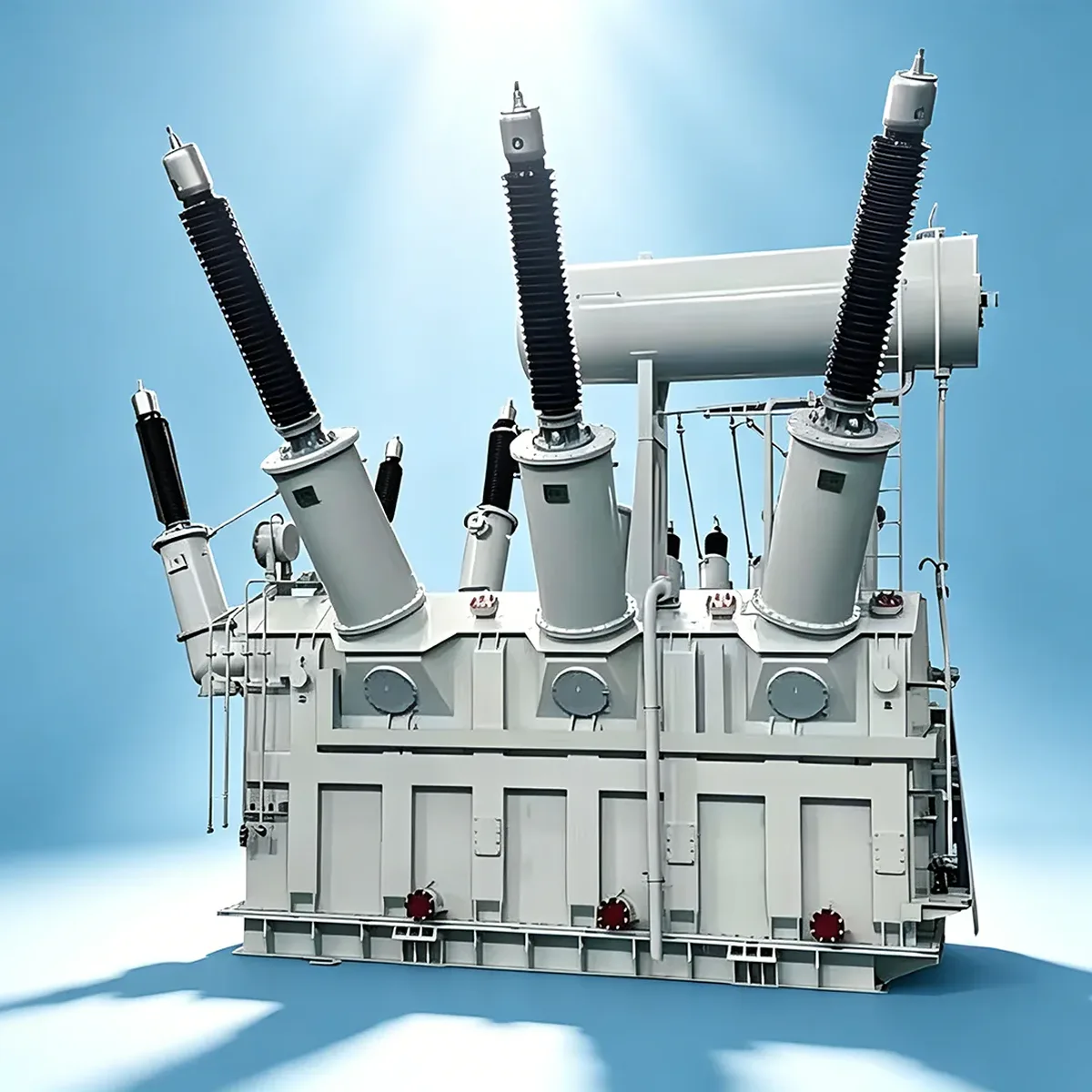
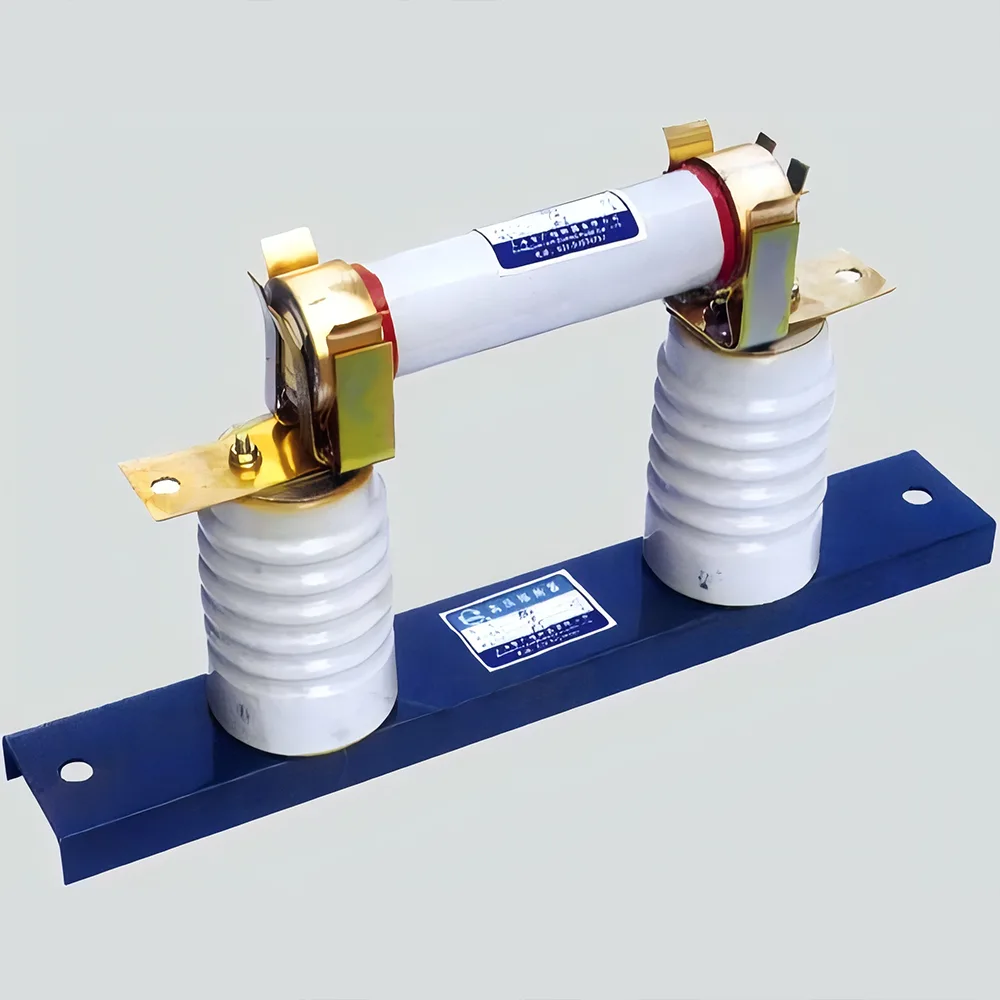
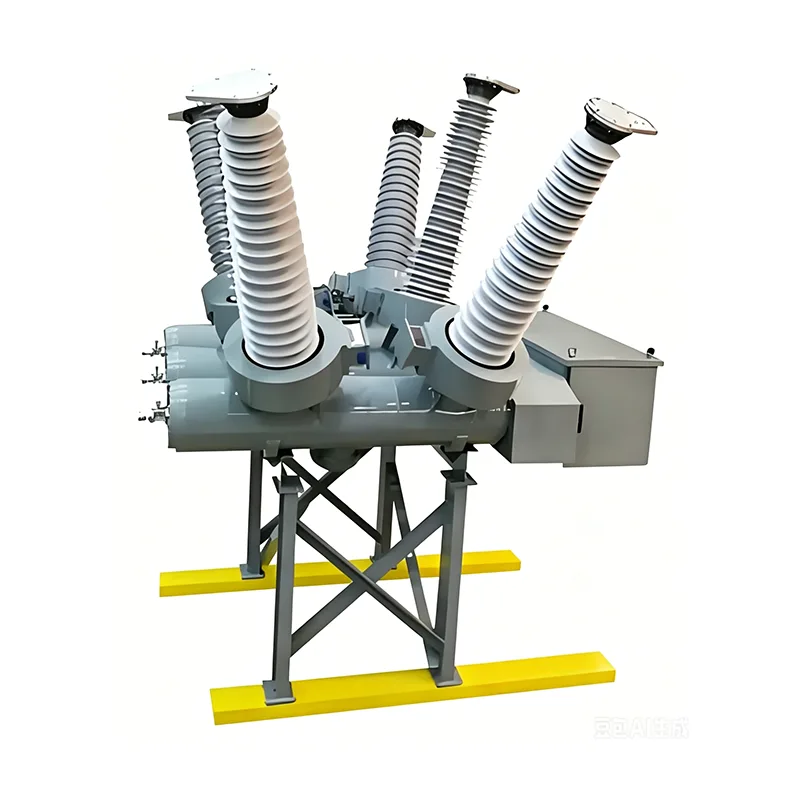
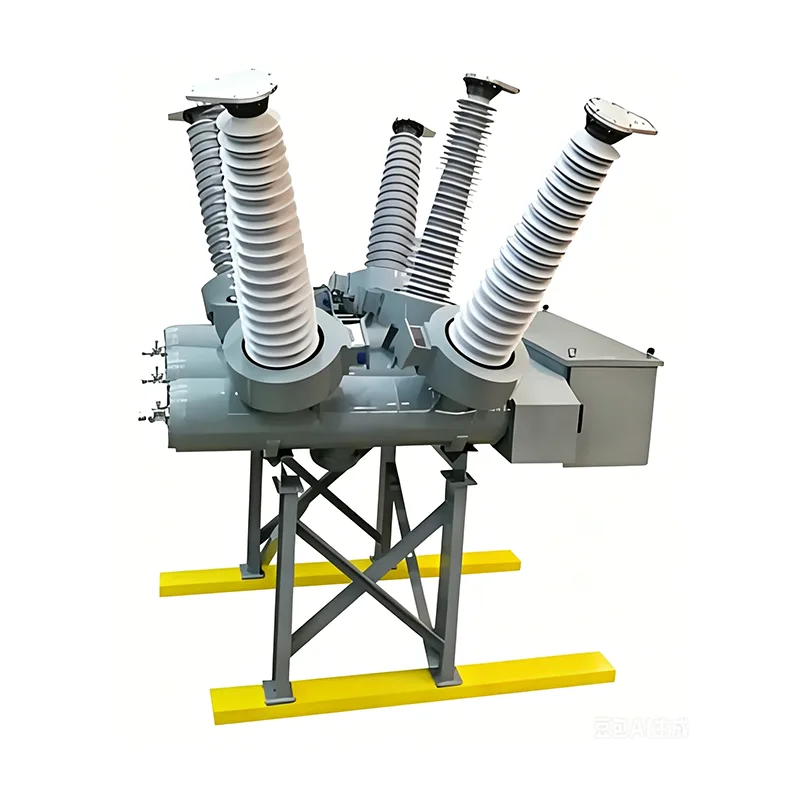
Huixing provides power equipment solutions for transmission and distribution systems, including the High Voltage Circuit Breaker designed for outdoor substations and high-voltage power projects. Using a dead-tank SF₆ gas circuit breaker design with dual arc-quenching technology, this equipment helps control electrical circuits, interrupt short-circuit faults, and support reliable grid operation. Understanding its working principles, technical specifications, and selection criteria enables utilities, EPC contractors, and industrial power users to make informed purchasing decisions.
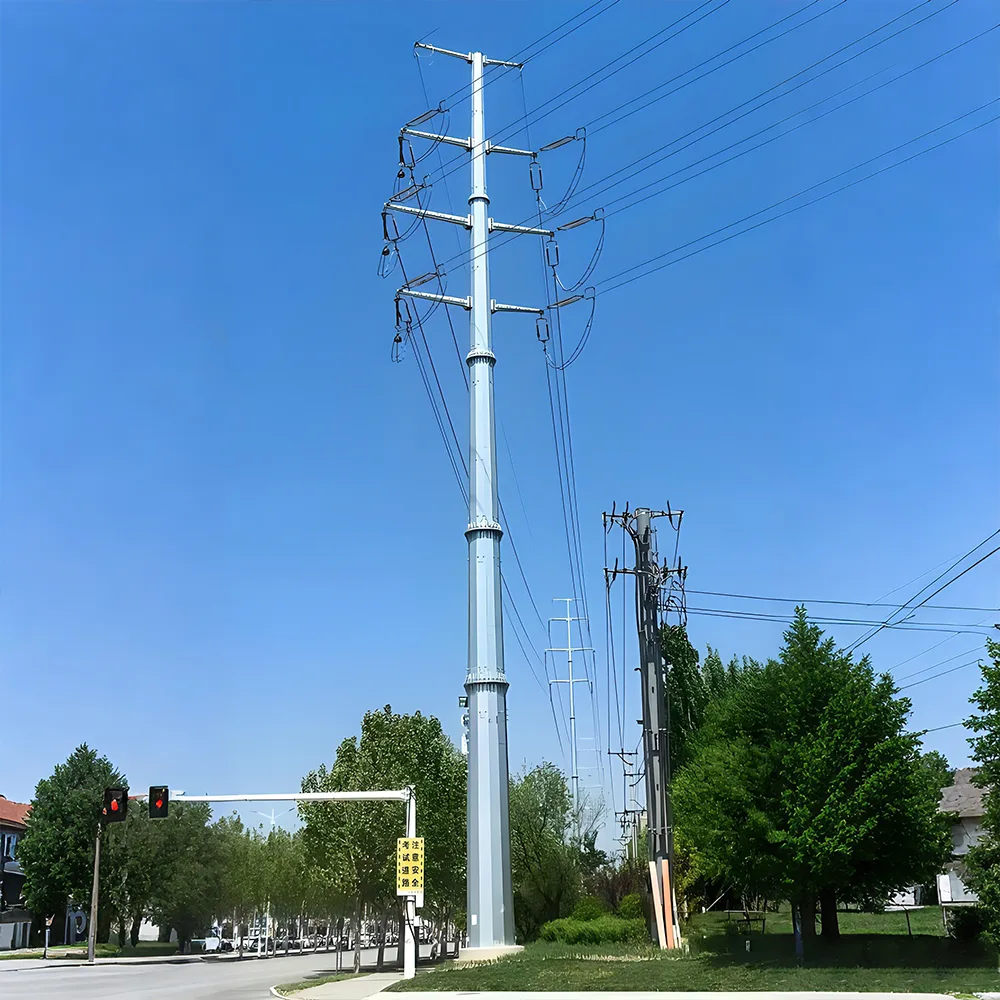
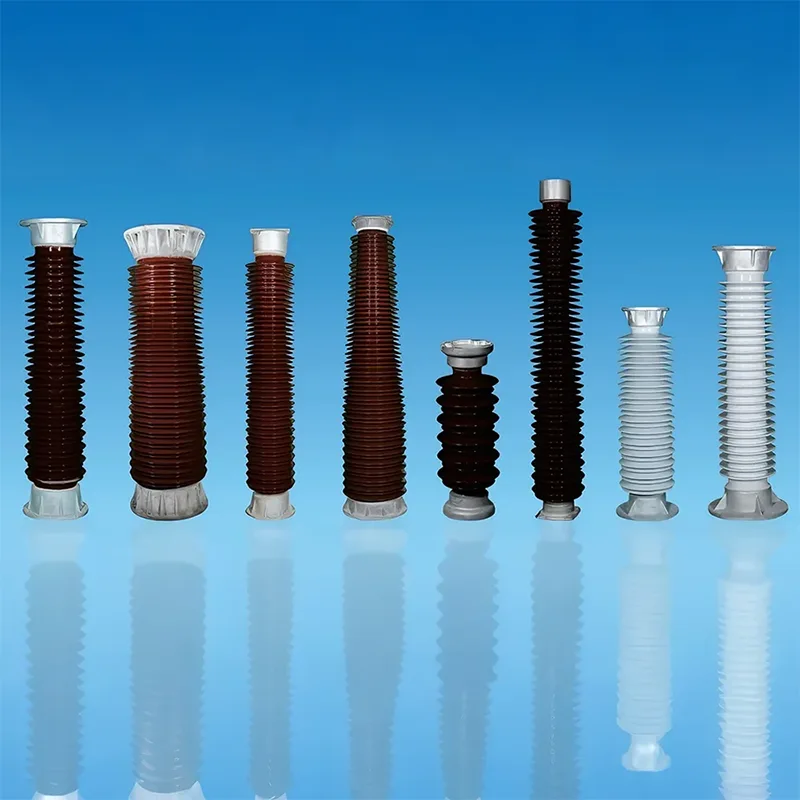
Huixing provides high voltage insulator solutions designed for dependable electrical insulation and mechanical support in transmission and distribution systems. With voltage applications covering 45kV–220kV for its featured product range, these insulators help protect overhead lines, substations, renewable energy facilities, and industrial power networks against electrical and environmental stresses.
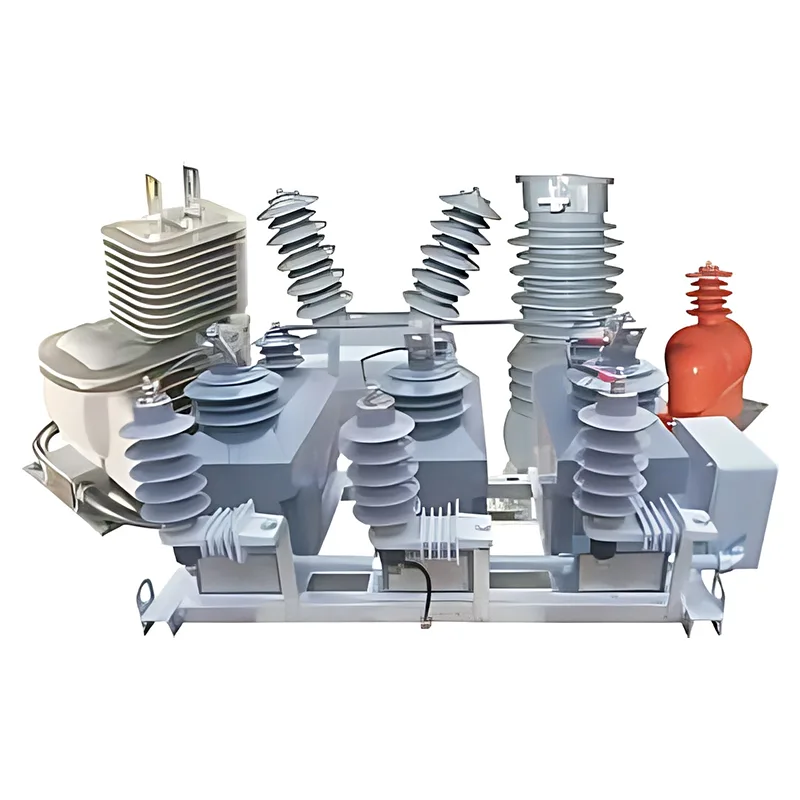
Huixing provides Medium Voltage Instrument Transformers for 10–17.5 kV power distribution systems, supporting accurate energy metering, real-time monitoring, and dependable protective relaying for substations and outdoor electrical installations.
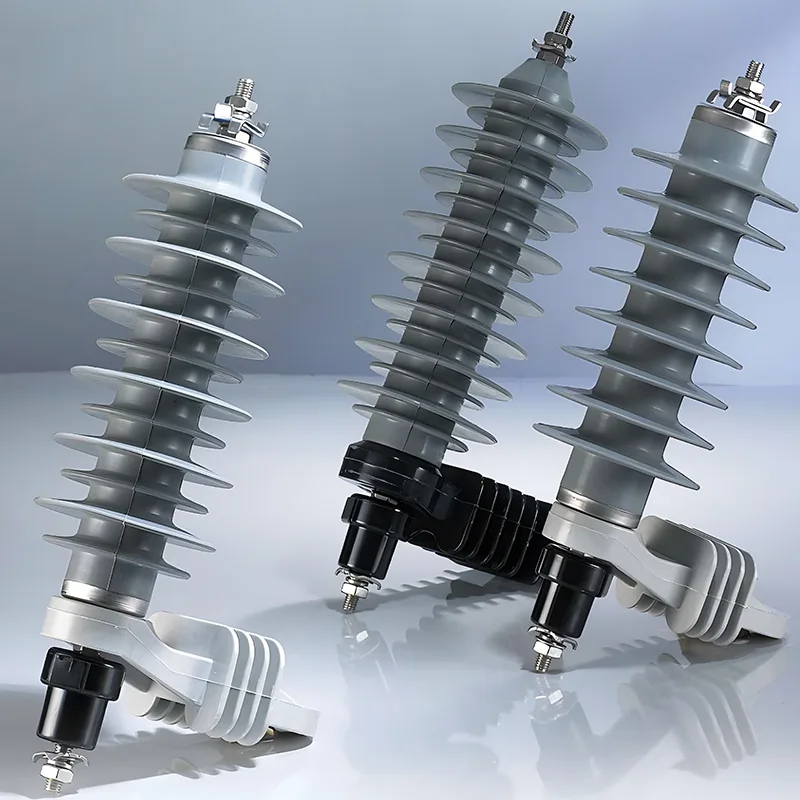
Huixing supplies Medium Voltage Surge Arresters designed for 10–35kV power distribution systems, helping protect transformers, switchgear, cable terminations, overhead lines, and substation equipment from damaging transient overvoltages. With a gapless zinc oxide design, these arresters provide rapid surge suppression, reliable outdoor performance, and reduced maintenance requirements for demanding utility and industrial applications.
A high voltage circuit breaker is a critical protection device used to control electrical circuits and interrupt dangerous fault currents in transmission and distribution systems. Huixing provides dead-tank SF₆ gas circuit breakers designed for outdoor substations, covering rated voltages from 40.5kV to 245kV, rated currents from 1600A to 4000A, and short-circuit breaking currents from 25kA to 63kA. This article explains its working principle, technical features, application scenarios, selection criteria, and key performance parameters.
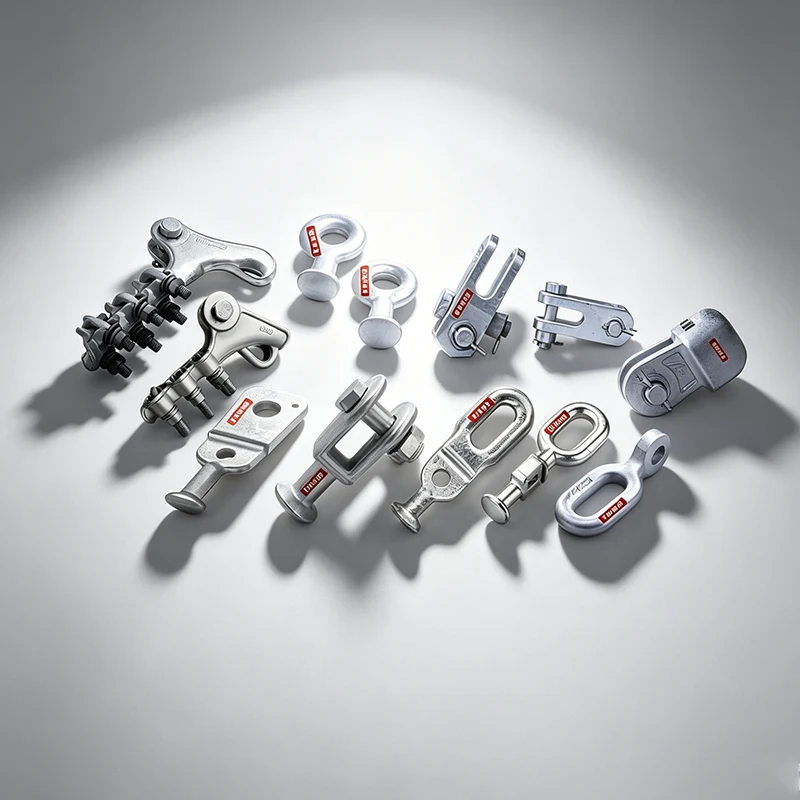
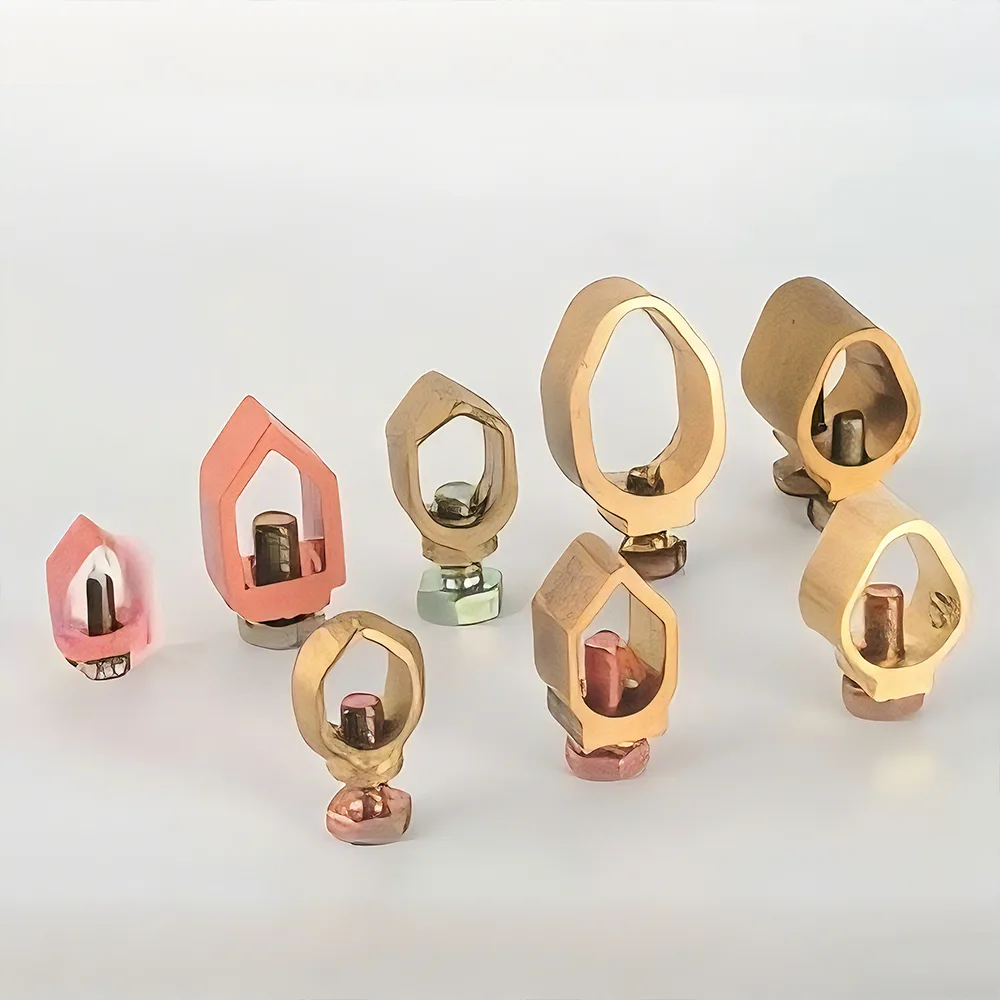
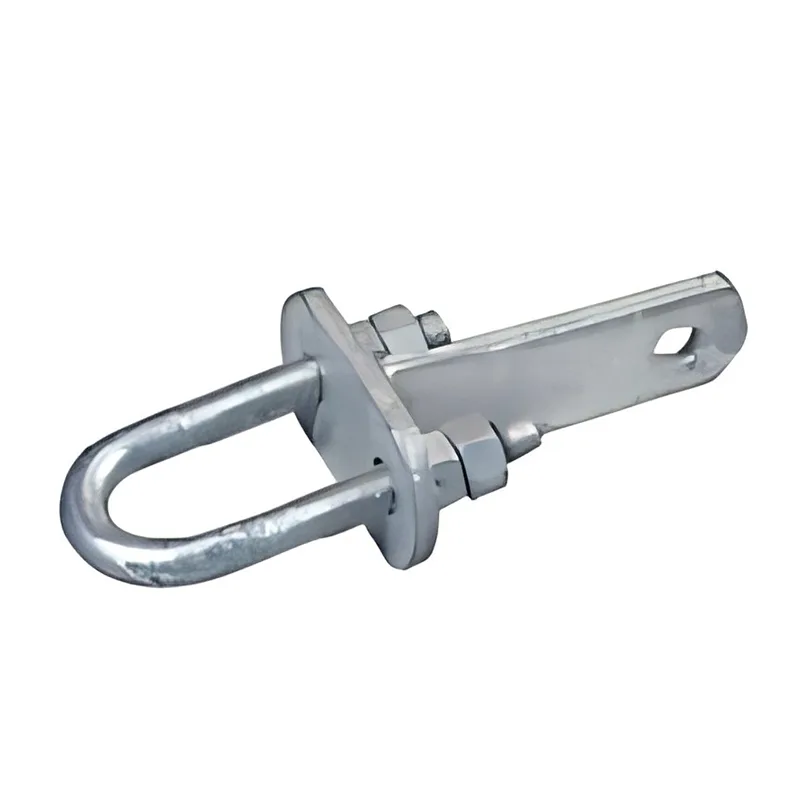
Huixing provides professionally engineered Substation Connector Fittings for power infrastructure projects where secure mechanical connections, stable electrical performance, and long-term corrosion resistance are essential. Designed for equipment interconnection, busbar installation, conductor splicing, and structural assembly, these fittings help power engineers build dependable substation systems for demanding operating environments.
We use cookies to offer you a better browsing experience, analyze site traffic and personalize content. By using this site, you agree to our use of cookies. Privacy Policy

 21 2026-10
  14 2026-10
  10 2026-10
  29 2026-09
  23 2026-09
  15 2026-09