
Article Summary: A high voltage circuit breaker is a critical protection device used to control electrical circuits and interrupt dangerous fault currents in transmission and distribution systems. Huixing provides dead-tank SF₆ gas circuit breakers designed for outdoor substations, covering rated voltages from 40.5kV to 245kV, rated currents from 1600A to 4000A, and short-circuit breaking currents from 25kA to 63kA. This article explains its working principle, technical features, application scenarios, selection criteria, and key performance parameters.
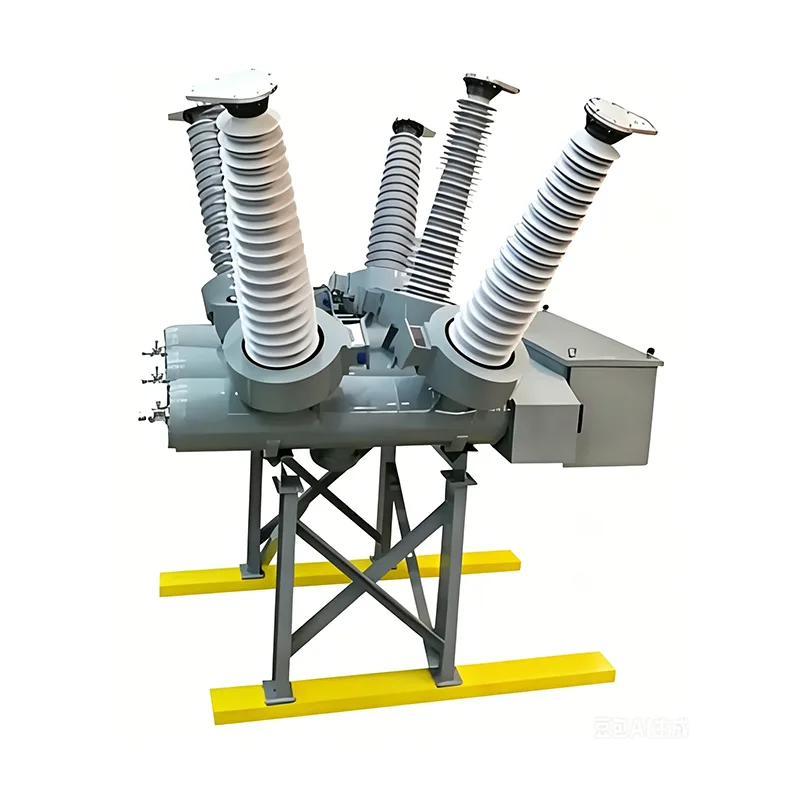
Table of Contents
- What Is a High Voltage Circuit Breaker?
- Why Is It Important for Power System Protection?
- How Does the Circuit Breaker Work?
- What Technical Features Should Engineers Consider?
- Where Are High Voltage Circuit Breakers Used?
- Key Technical Parameters
- How Should You Select the Right Model?
- Frequently Asked Questions
- Get a High Voltage Circuit Breaker Solution
What Is a High Voltage Circuit Breaker?
A high voltage circuit breaker is a switching and protection device designed to control electrical circuits under normal operating conditions and rapidly interrupt current when a fault occurs. Unlike ordinary low-voltage protection equipment, high-voltage breakers must safely handle substantially higher electrical energy, insulation stresses, and short-circuit currents.
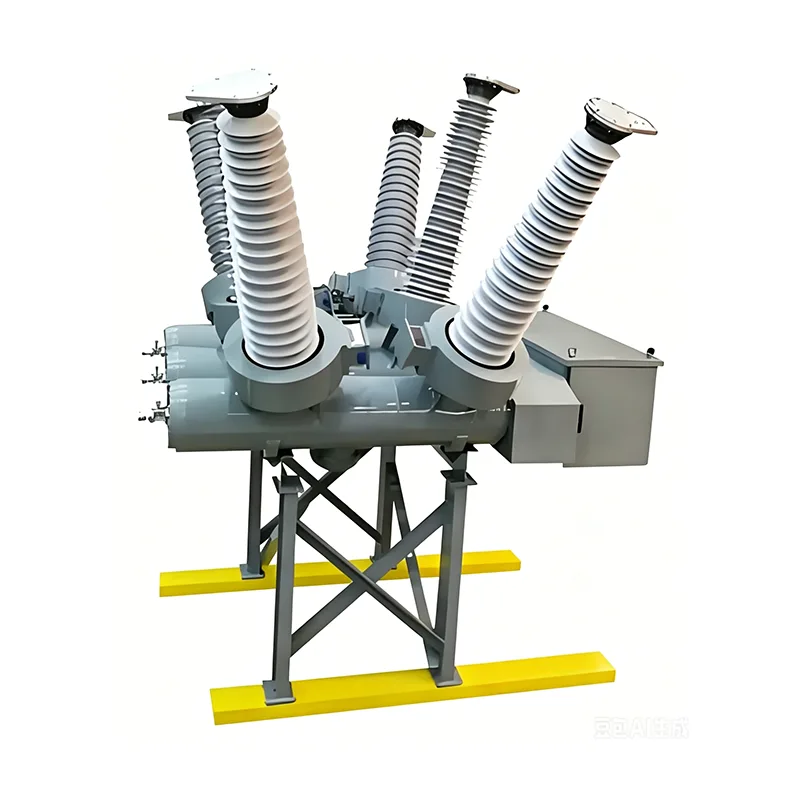
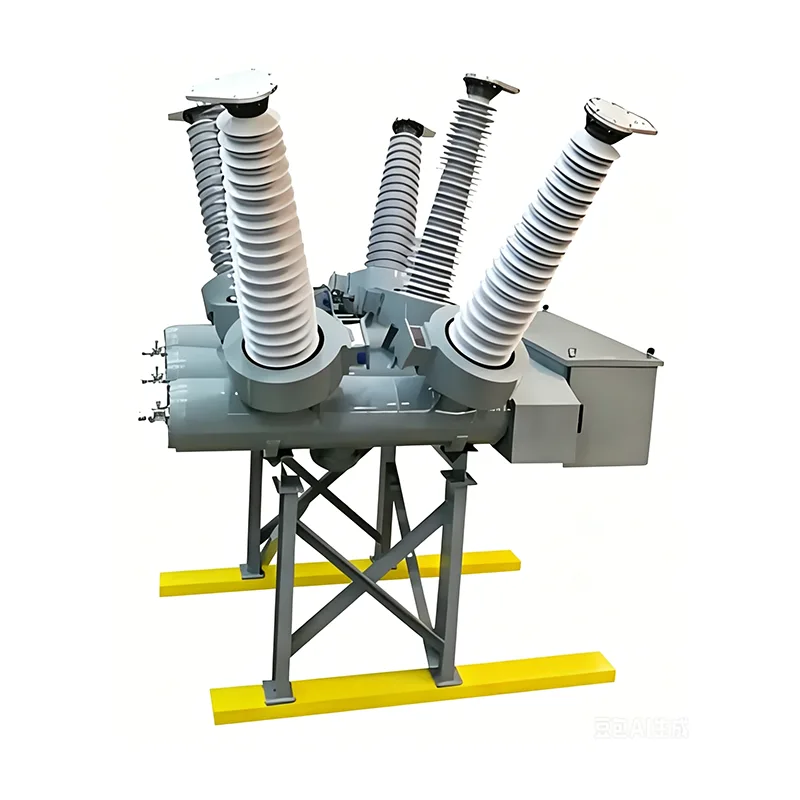
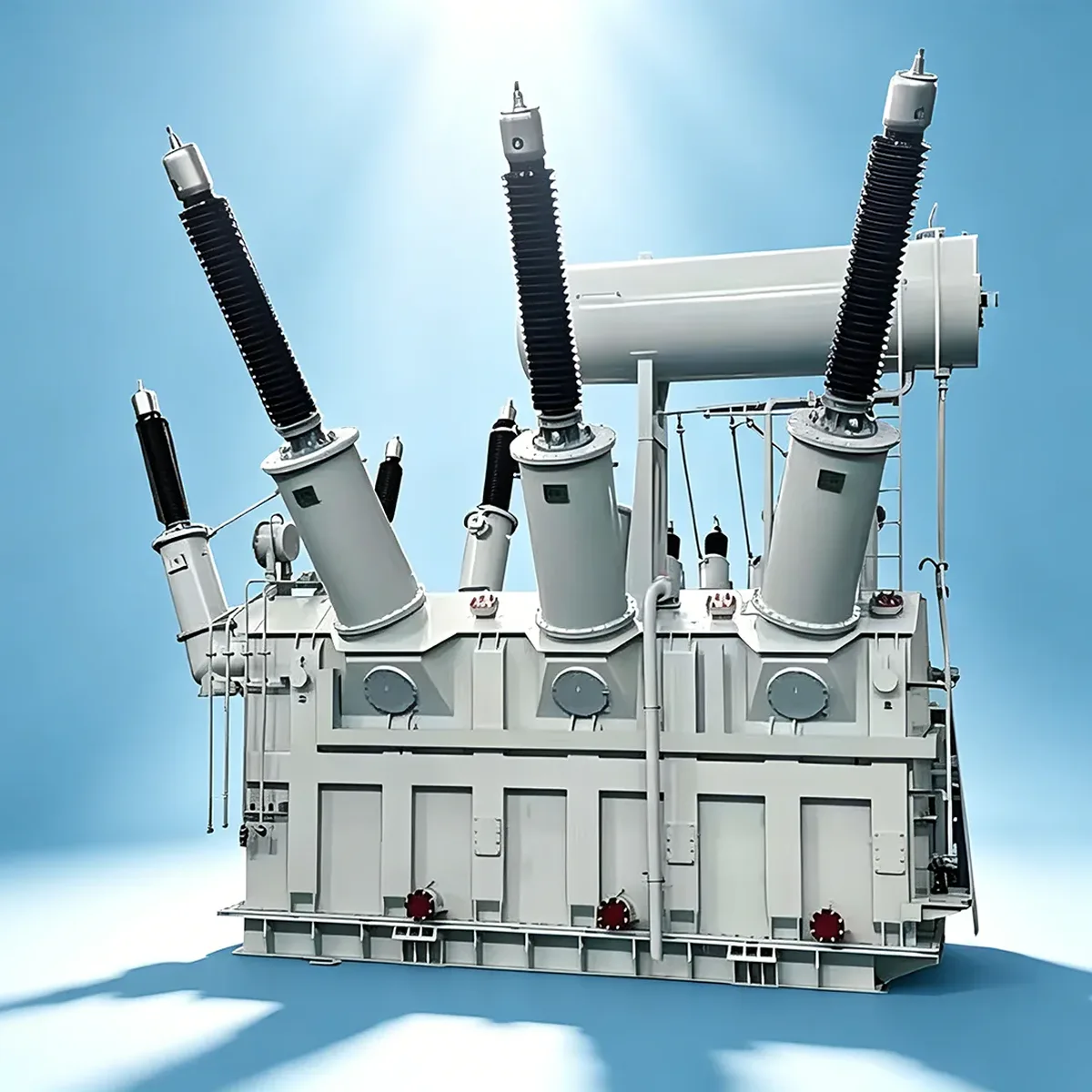
For outdoor substations and power transmission projects, dead-tank SF₆ gas circuit breakers are widely used because they combine electrical insulation, arc-quenching capability, mechanical switching performance, and outdoor environmental adaptability in one engineered system.
According to Huixing's published product specifications, its dead-tank design covers rated maximum voltages from 40.5kV to 245kV, rated currents from 1600A to 4000A, and rated short-circuit breaking currents from 25kA to 63kA. The product is designed around GB/T 1984 and IEC 62271-100 requirements.
Why Is It Important for Power System Protection?
Power transmission and distribution networks must continue operating reliably despite changing loads, switching events, environmental conditions, and unexpected electrical faults. When a short circuit occurs, the resulting current can rise rapidly and place severe thermal and electrodynamic stress on transformers, busbars, cables, generators, and other equipment.
A properly selected high voltage circuit breaker helps isolate the affected section before the fault causes wider system damage. Its main functions include:
- Opening and closing circuits during normal operation.
- Interrupting short-circuit and fault currents.
- Isolating defective sections of a power network.
- Supporting relay protection and automated switching systems.
- Maintaining required dielectric insulation after interruption.
- Providing reliable switching performance over repeated operating cycles.
For this reason, breaker selection should be based not only on voltage and current ratings but also on breaking capacity, insulation level, operating sequence, mechanical endurance, environmental conditions, and project-specific requirements.
How Does the Circuit Breaker Work?
The basic operating process involves three stages: detecting or receiving a trip command, mechanically separating the contacts, and extinguishing the electrical arc generated during contact separation.
In an SF₆ gas breaker, the gas provides both insulation and arc-quenching functions. When the contacts separate during fault interruption, an electrical arc forms between them. The breaker uses an engineered gas-flow mechanism to cool and de-ionize the arc so that current can be interrupted safely.
Dual Arc-Quenching Technology
Huixing's product combines self-energy and puffer-type arc-quenching principles. Under high short-circuit current conditions, the heat generated by the arc contributes to rapid SF₆ gas expansion, creating a high-speed gas flow for arc extinction. Under lower short-circuit current conditions, mechanical compression produces a directional high-pressure gas flow to cool the arc and reduce the possibility of re-ignition.
This dual operating principle allows the breaker to address different fault-current conditions while maintaining controlled interruption performance.
What Technical Features Should Engineers Consider?
When evaluating a high voltage circuit breaker, engineers normally need to examine electrical, mechanical, environmental, and maintenance-related characteristics together.
1. Wide Voltage and Current Coverage
Huixing's published range extends from 40.5kV to 245kV in rated maximum voltage and from 1600A to 4000A in rated current. This range allows the equipment to serve different outdoor transmission and substation applications.
2. High Short-Circuit Breaking Capability
The published short-circuit breaking current range reaches 25kA to 63kA. The required breaking capacity should always be matched to the prospective fault current of the installation.
3. Fast Switching Performance
According to the published specifications, the breaking time is ≤60ms, the opening time is ≤30ms, and the closing time is ≤100ms. These characteristics are important where rapid fault isolation and coordinated protection are required.
4. Mechanical Endurance
The specified mechanical life is 6,000 operations. Mechanical endurance is particularly relevant for substations where switching frequency and long-term operational reliability are important purchasing considerations.
5. Environmental Adaptability
Outdoor power equipment may encounter high humidity, elevated altitude, corrosive environments, temperature variation, and other site-specific conditions. Huixing states that customized production can accommodate special operating environments and technical requirements.
Where Are High Voltage Circuit Breakers Used?
High-voltage breakers are essential components in substations and power transmission systems. The appropriate configuration depends on system voltage, fault level, installation environment, switching requirements, and network architecture.
| Application | Typical Requirement | Breaker Function |
|---|---|---|
| Outdoor Substations | High insulation and environmental resistance | Load switching and fault interruption |
| Urban Distribution Expansion | Reliable network protection | Isolates faulted circuits |
| Industrial Parks | Stable industrial power supply | Controls and protects high-voltage feeders |
| Renewable Energy Plants | Grid connection and protection | Switching and fault isolation |
| Transmission Lines | High short-circuit interruption capacity | Protects transmission networks during faults |
| Substation Retrofit Projects | Compatibility with existing infrastructure | Modernizes switching and protection functions |
These applications demonstrate why circuit breakers should be considered part of a complete protection system rather than as isolated switching components.
Key Technical Parameters
Technical specifications provide an objective basis for model selection. The following figures summarize important parameters published for Huixing's dead-tank SF₆ circuit breaker series.
| Parameter | Published Specification |
|---|---|
| Rated Maximum Voltage | 40.5kV–245kV |
| Rated Current | 1600A–4000A |
| Rated Frequency | 50/60Hz |
| Short-Circuit Breaking Current | 25kA–63kA |
| Breaking Time | ≤60ms |
| Opening Time | ≤30ms |
| Closing Time | ≤100ms |
| Mechanical Life | 6,000 operations |
| Partial Discharge | 10pC |
| SF₆ Annual Leakage Rate | ≤0.5% specified in product parameters |
| Applicable Standards | GB/T 1984, IEC 62271-100 |
For engineering projects, the final specification should be confirmed against the complete technical datasheet, site conditions, applicable grid codes, and project-specific protection calculations.
How Should You Select the Right Model?
Selecting a high voltage circuit breaker requires more than matching the nominal system voltage. A systematic evaluation can reduce compatibility problems during installation and commissioning.
- Confirm the system voltage: Select a rated voltage appropriate for the actual network and insulation requirements.
- Calculate the required current rating: Consider continuous load current, expected expansion, and operating conditions.
- Determine fault current: The rated short-circuit breaking current must be sufficient for the calculated prospective fault level.
- Check insulation requirements: Review power-frequency withstand voltage, lightning impulse withstand voltage, and creepage distance.
- Evaluate operating sequence: Confirm that the breaker supports the required opening, closing, and reclosing sequence.
- Review environmental conditions: Consider altitude, humidity, temperature, pollution, and corrosion at the installation site.
- Check control requirements: Confirm control-circuit voltage, motor voltage, heater requirements, and interface compatibility.
- Verify applicable standards: Ensure the selected equipment meets the standards and technical specifications required by the project.
For projects with unusual environmental or electrical conditions, customized engineering can be valuable. Huixing states that it supports customized production for requirements such as high altitude, high humidity, corrosive environments, special voltage levels, and specific breaking parameters.
Frequently Asked Questions
What is the main purpose of a high voltage circuit breaker?
Its main purpose is to control high-voltage circuits during normal operation and interrupt abnormal currents, particularly short-circuit currents, to help protect electrical equipment and maintain system safety.
What voltage range does Huixing's circuit breaker cover?
The published product parameters cover rated maximum voltages from 40.5kV to 245kV, with different configurations available across the range.
Why is SF₆ used in this type of circuit breaker?
SF₆ has strong electrical insulation and arc-quenching characteristics, allowing it to perform both insulation and interruption-related functions within the breaker design.
What is the difference between self-energy and puffer arc quenching?
Self-energy arc quenching uses energy associated with the arc to generate gas flow, while puffer technology mechanically compresses gas to create a directional high-pressure flow. The referenced design combines both principles for different short-circuit conditions.
Can the breaker be customized for special installation conditions?
Yes. Huixing states that its production can be customized for conditions such as high altitude, high humidity, corrosive environments, special voltage levels, and specific breaking requirements.
Get a High Voltage Circuit Breaker Solution
Choosing the right high-voltage switching equipment is an engineering decision that should be supported by accurate electrical parameters, environmental requirements, protection calculations, and installation conditions. Huixing provides dead-tank SF₆ gas circuit breakers for outdoor substations and transmission applications, with published voltage ratings from 40.5kV to 245kV and customized options for different project requirements. If you are planning a new substation, transmission project, renewable-energy grid connection, or equipment retrofit, contact us to discuss your voltage, current, breaking-capacity, environmental, and configuration requirements and request a suitable technical solution.