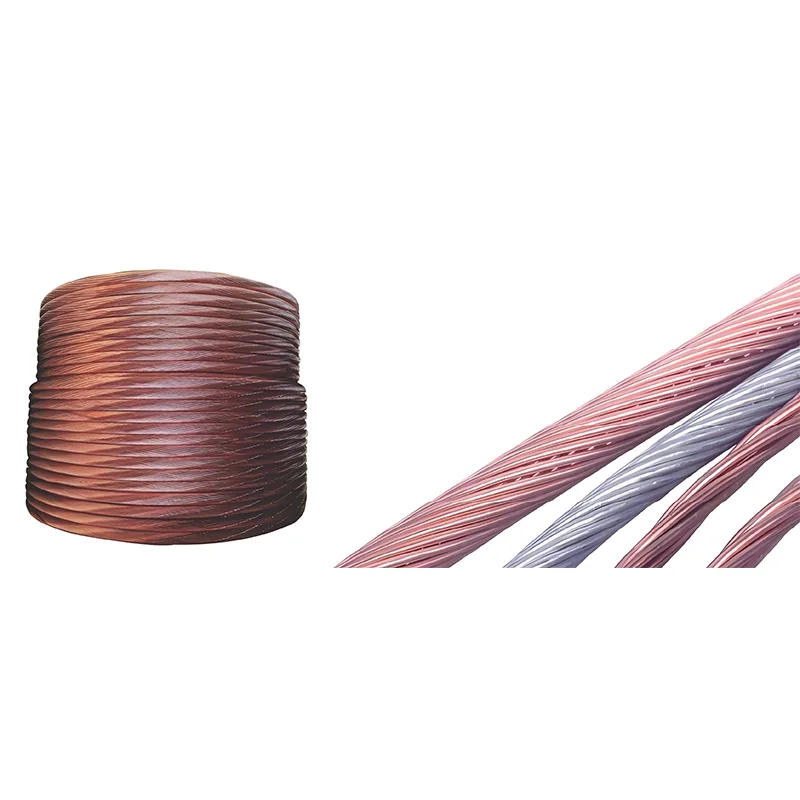
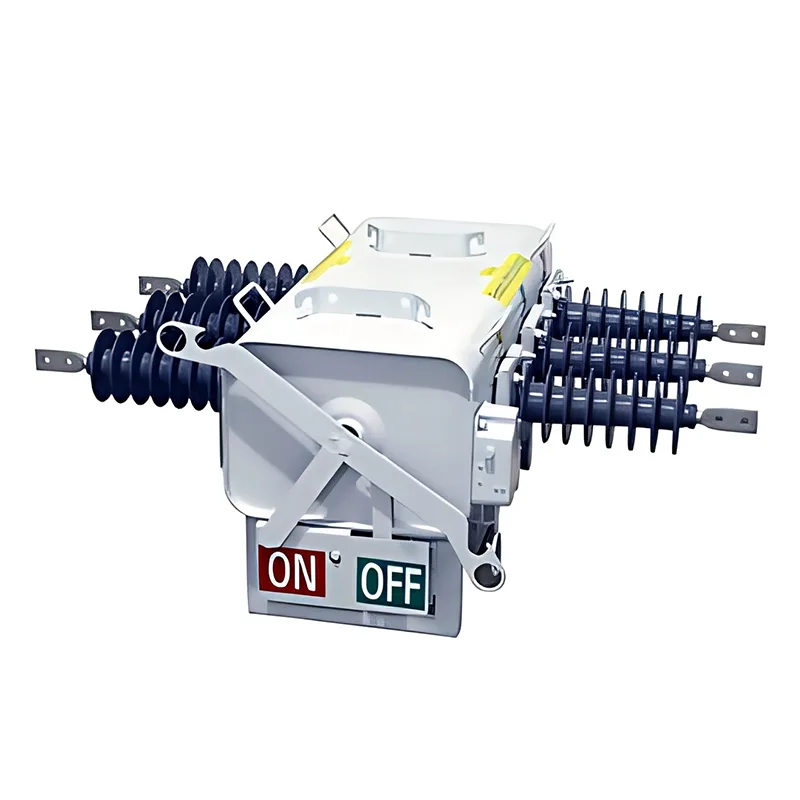
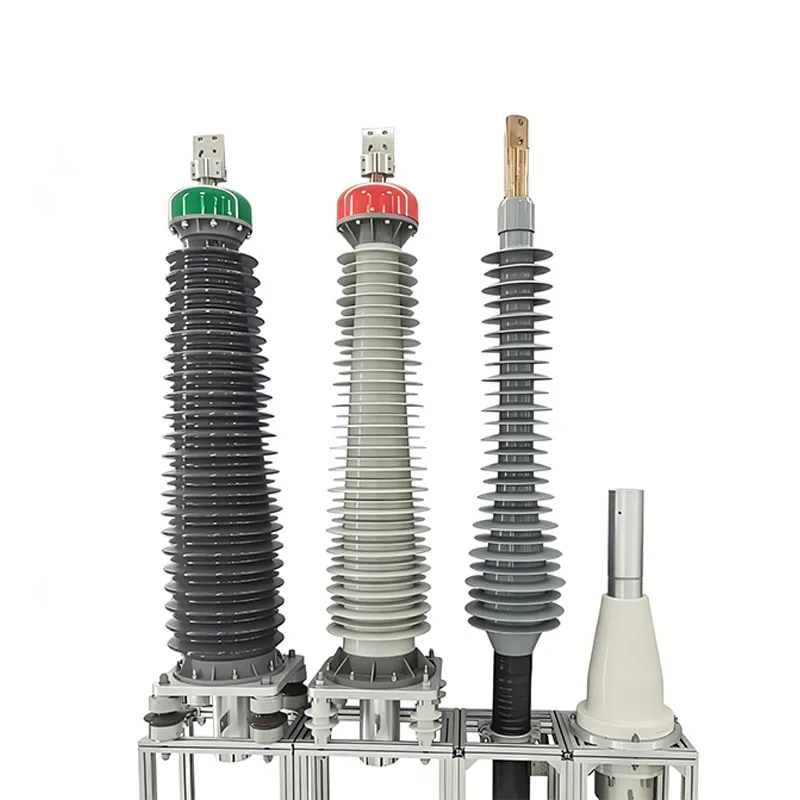
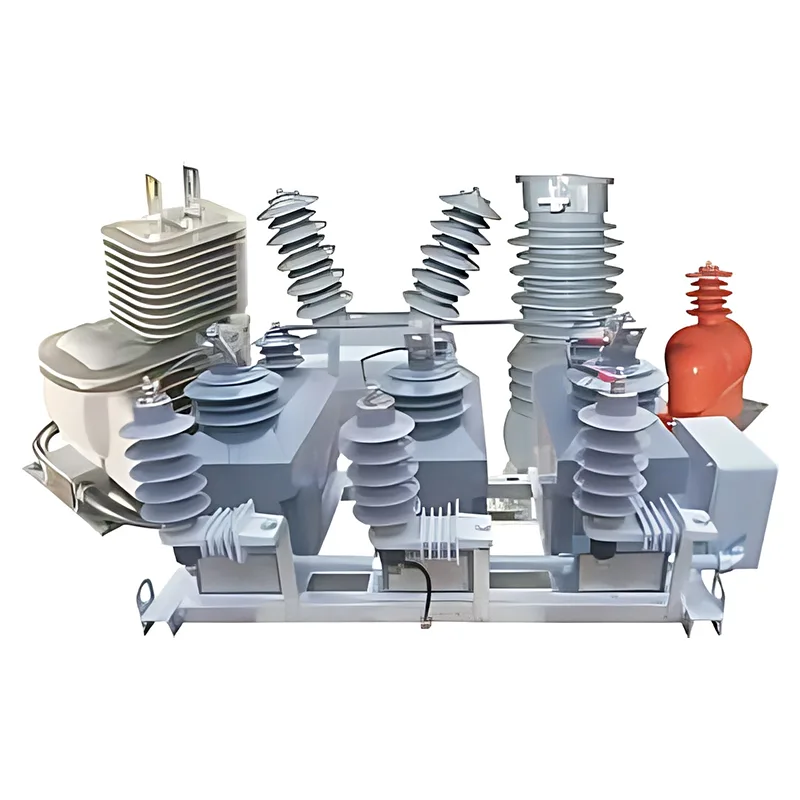
Power cables and wires are insulated conductive wires used for transmitting electrical energy, distributing power, and conducting current. They consist of a conductor + insulation layer + sheath and are the most fundamental consumables in power systems and equipment distribution.
Simple Distinction:
Wire (Electrical Wire): Generally single-core, with a simple structure, mostly used for indoor wiring, control, and lighting.
Cable (Power Cable): Multi-core, with an outer sheath and armor, resistant to pressure and moisture, mostly used for underground, outdoor, and main power supply in engineering.
2. Main Structural Components
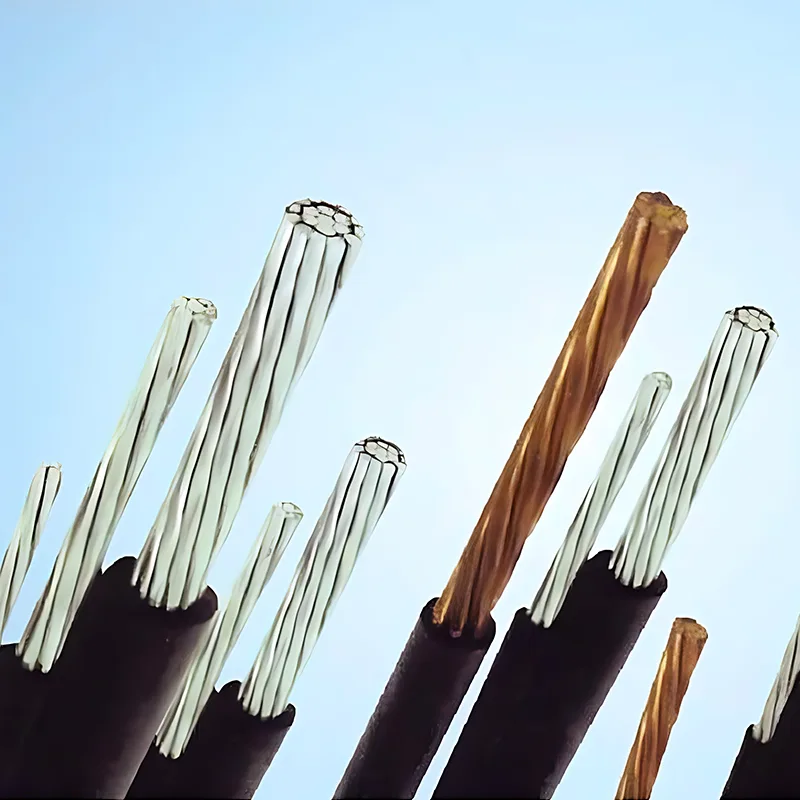
Conductor: Copper / Aluminum, responsible for conducting electricity
Insulation: PVC / XLPE / Cross-linked Polyethylene, prevents leakage and provides insulation and withstands voltage
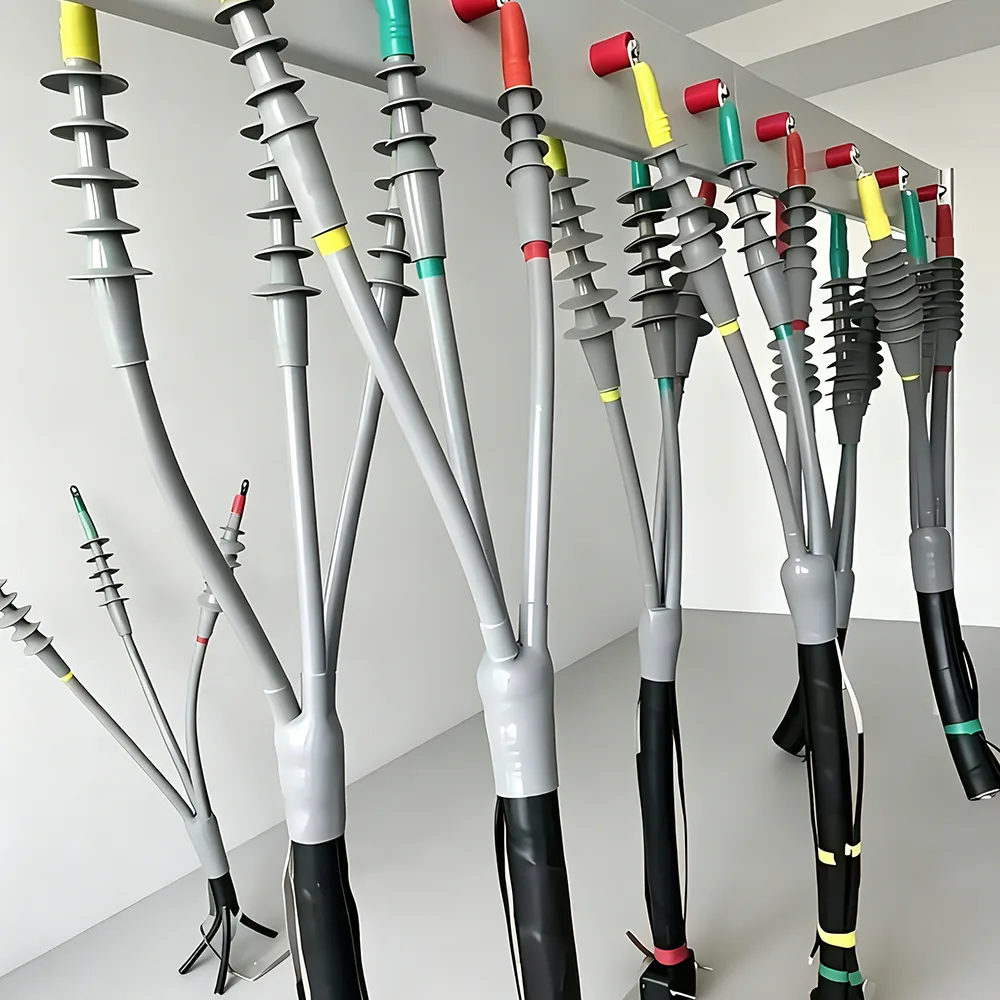
Shield: Equalizes voltage in high-voltage cables and prevents interference
Armored Layer: Steel tape / Steel wire, protects against pressure, rat bites, and mechanical damage
Outer Sheath: Resists corrosion, is waterproof, and is resistant to aging
3. Core Applications (Application Scenarios)
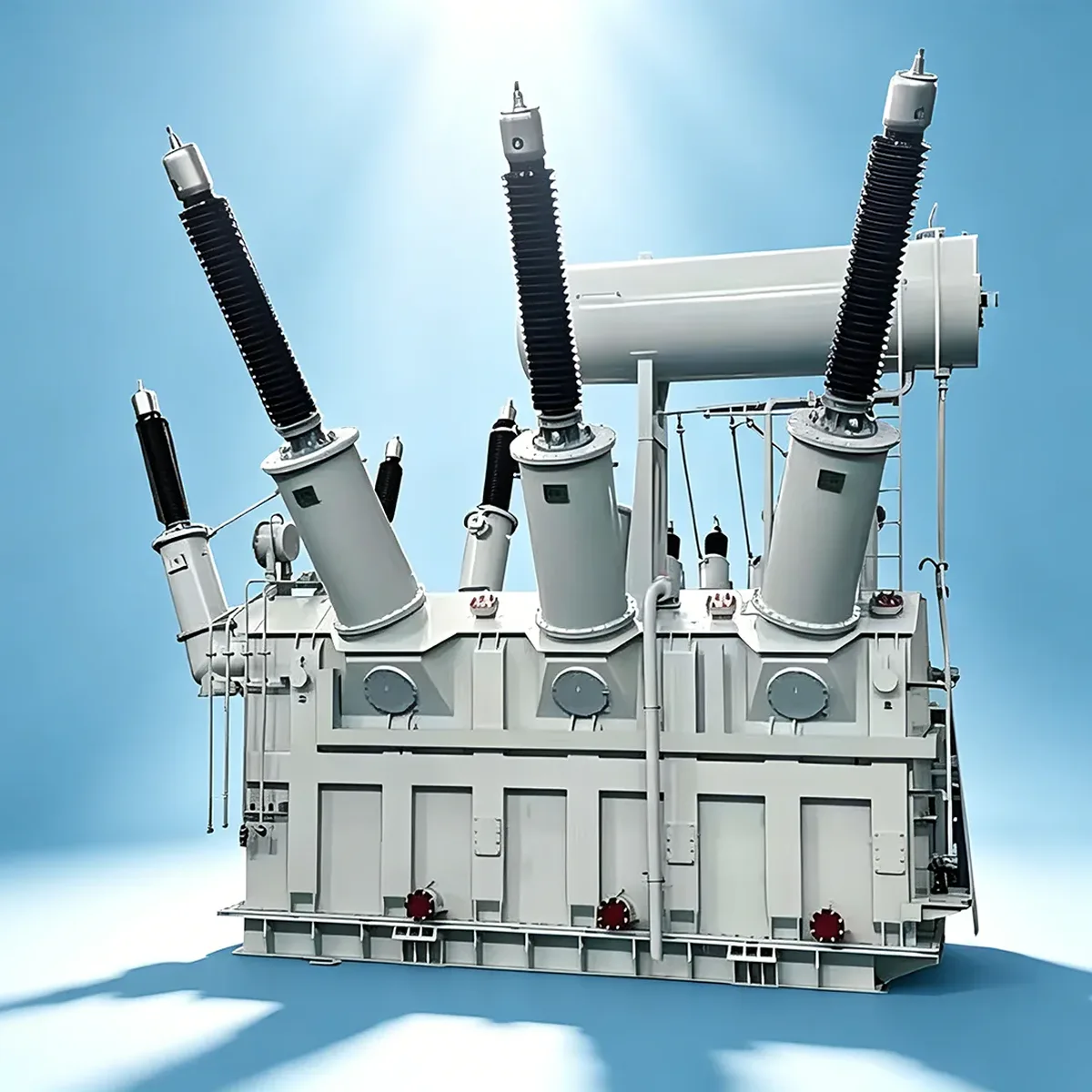
3-1. Substations & Power Systems
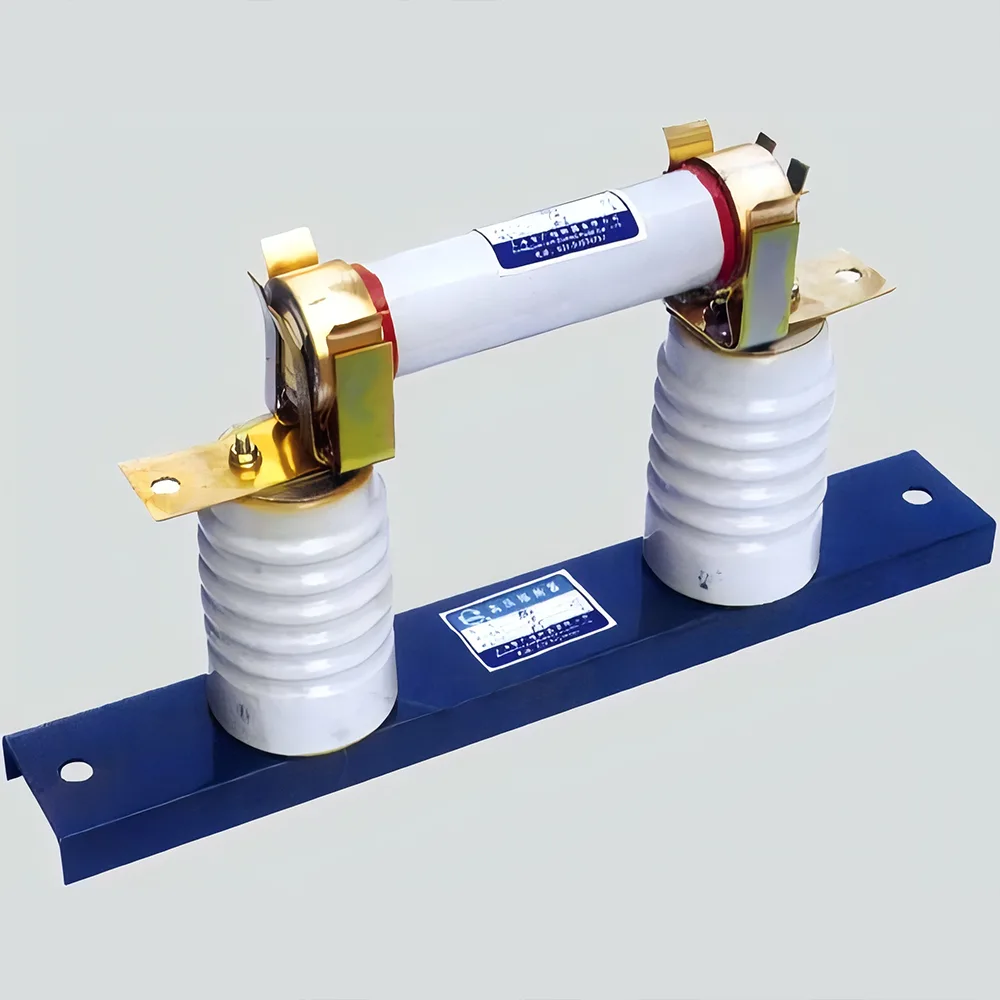
Internal equipment connections in substations, incoming and outgoing lines
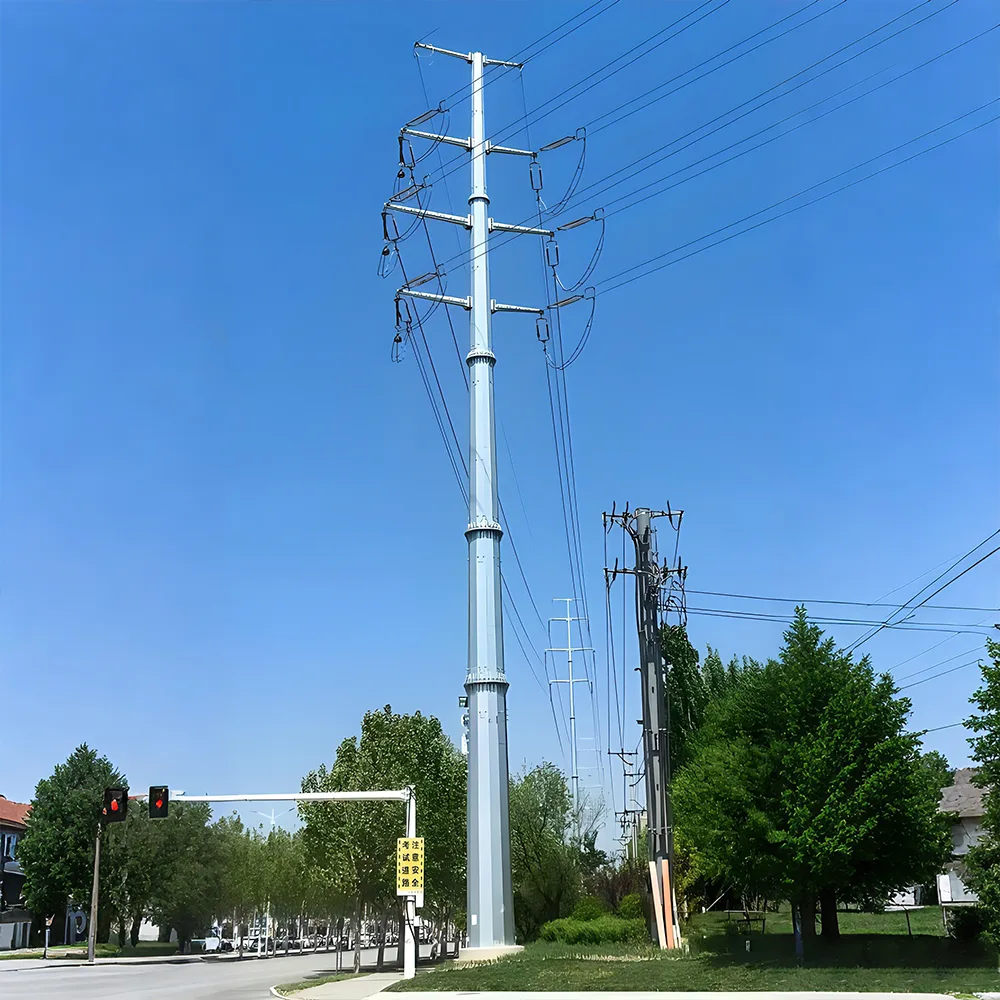
High-voltage transmission and distribution lines, busbar interconnections
AIS/GIS secondary and primary power wiring in substations
3-2. Industrial Factories
Power supply for factory workshops, power connections for machinery and equipment
Wiring between control cabinets and distribution boxes
Power supply for large motors, pumps, air compressors, etc.
3-3. Residential and Commercial Buildings
Power wiring for buildings, household decoration wires
Power supply for lighting, sockets, air conditioners, elevators
3-4. Municipal Engineering
Underground pipeline laying, power supply for road street lamps
Main distribution lines for parks and residential areas
3-5. New Energy & Others
Power transmission for photovoltaic and wind power projects
Internal wiring for ships, rail transit, construction machinery
4. Common Categories
By voltage: Low-voltage cables, Medium-voltage cables, High-voltage cables
By material: Copper core, Aluminum core
By structure: Single core, Multi-core, Armored, Non-armored
By application: Power cables, Control cables, Overhead insulated wires, Flame-retardant / Fire-resistant cables
5. Summary of Main Functions
Transmitting electrical energy: Conveying electricity from the power source to devices and terminals
Insulation and safety: Preventing leakage, electric shock, and short circuits
Protecting the lines: Resistant to tension, pressure, corrosion, water resistance, and weather resistance
Distributing power: Power distribution rooms and distribution boxes supply power through branches
We use cookies to offer you a better browsing experience, analyze site traffic and personalize content. By using this site, you agree to our use of cookies. Privacy Policy