Article Summary
Aluminum Alloy Cable has become an important solution for modern electrical transmission projects that require reliable performance, reduced installation costs, excellent corrosion resistance, and long-term operational stability. Compared with traditional cable materials, aluminum alloy conductors provide a balanced combination of electrical conductivity, mechanical strength, lightweight structure, and durability. This article explains how Aluminum Alloy Cable works, why it is widely adopted in power distribution systems, and how Huixing provides professional cable solutions for different application requirements.
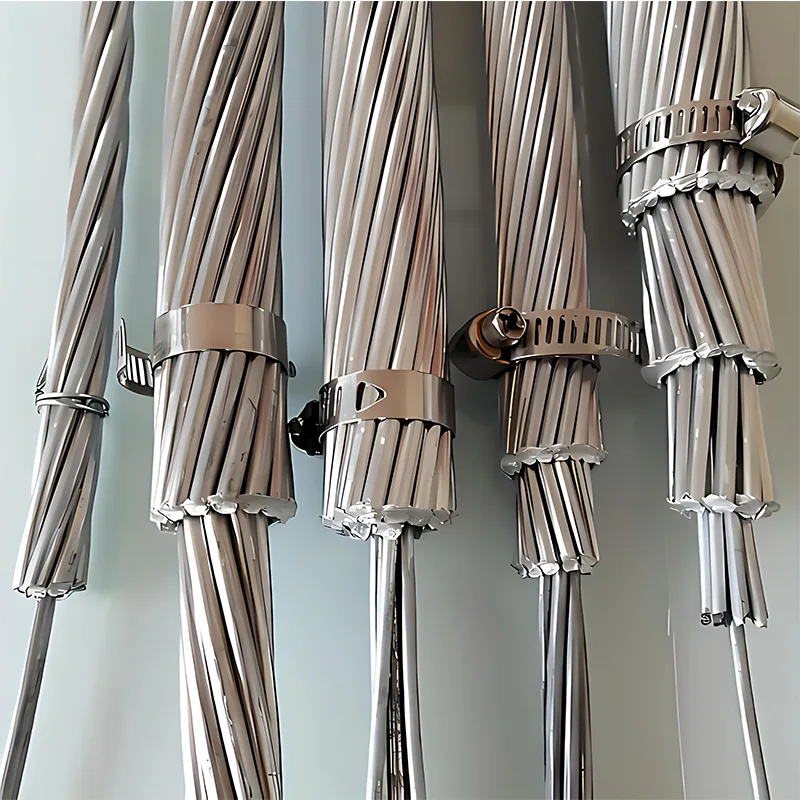
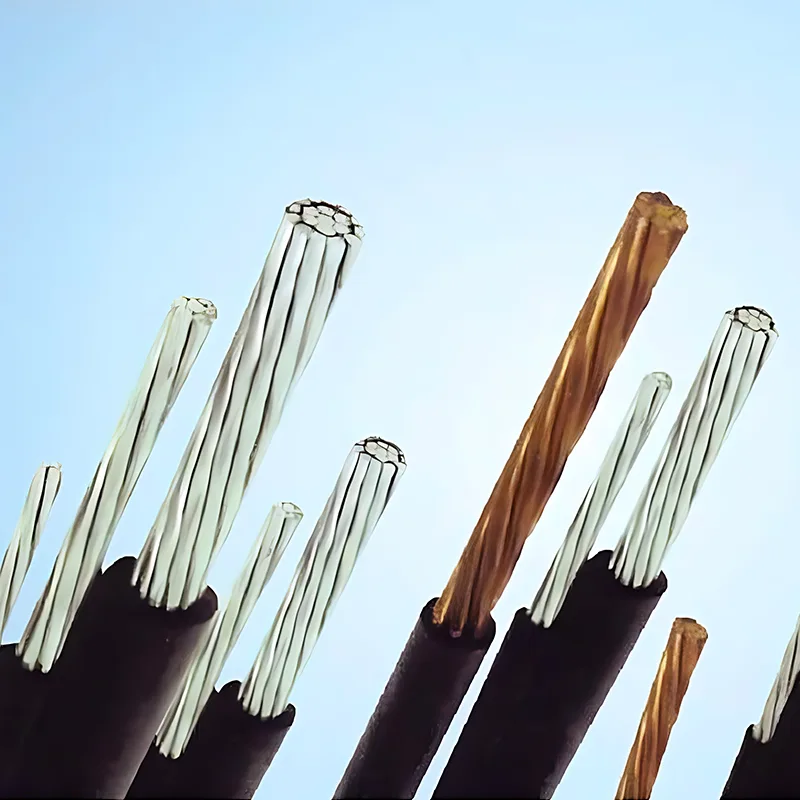
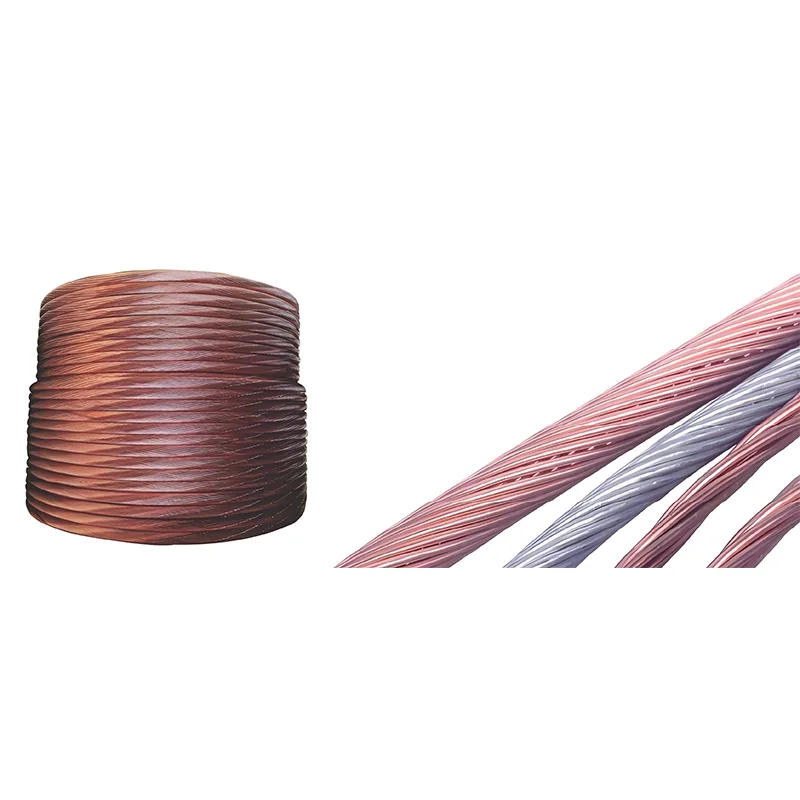
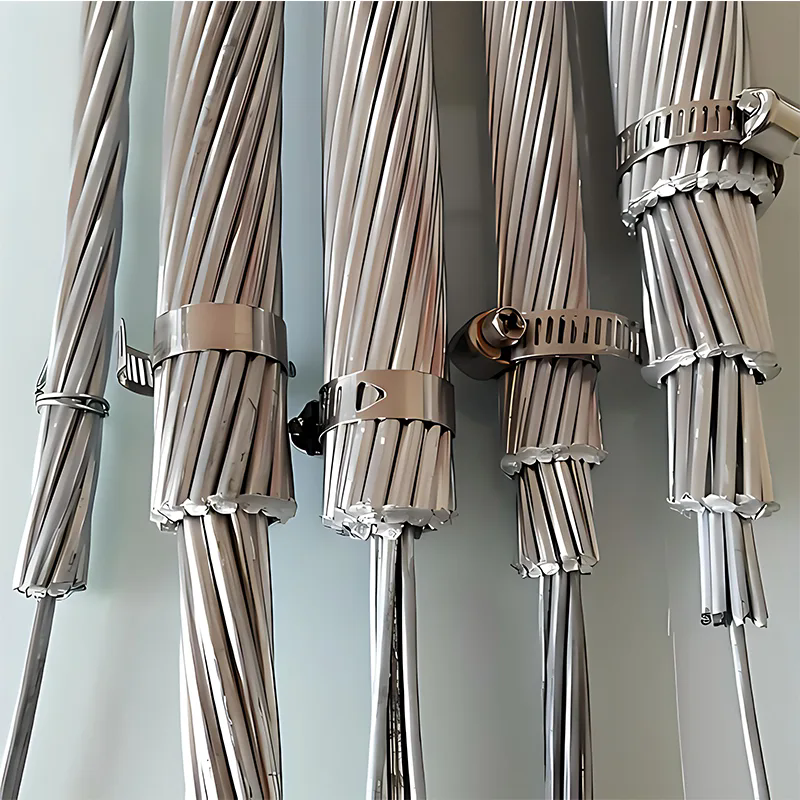
Aluminum Alloy Cable is an electrical conductor cable made by using specially developed aluminum alloy materials instead of pure aluminum or copper conductors. Through advanced alloy technology, the cable obtains improved mechanical strength, better flexibility, enhanced corrosion resistance, and stable electrical performance.
Traditional cable selection often focuses only on conductivity. However, modern electrical projects require more comprehensive performance. Factors such as installation efficiency, transportation costs, environmental resistance, and service life have become equally important. Aluminum Alloy Cable addresses these requirements by providing a practical balance between performance and economic efficiency.
Huixing focuses on supplying reliable power transmission solutions and understands that different projects require different cable structures, conductor sizes, insulation materials, and protection designs. Professional cable selection helps ensure safe electricity distribution and stable system operation.
The basic structure of Aluminum Alloy Cable generally includes:
Electrical infrastructure projects are facing increasing demands for efficiency, reliability, and cost control. Copper cables have traditionally been widely used because of their excellent conductivity, but rising material costs and installation challenges have encouraged engineers to explore alternative solutions.
Aluminum Alloy Cable provides several improvements that make it suitable for modern applications. Its lower density reduces cable weight, making transportation and installation easier. At the same time, alloy elements enhance strength and durability compared with ordinary aluminum conductors.
| Feature | Aluminum Alloy Cable | Traditional Copper Cable |
|---|---|---|
| Material Weight | Lighter structure for easier transportation and installation | Higher density and heavier overall weight |
| Material Cost | Generally more economical for large-scale projects | Higher material investment |
| Mechanical Strength | Enhanced through alloy composition | Excellent natural strength |
| Corrosion Resistance | Suitable for many challenging environments | Requires proper protection depending on conditions |
| Installation Efficiency | Reduced handling difficulty due to lighter weight | Requires more labor for large cable systems |
For large commercial buildings, renewable energy systems, industrial facilities, and distribution networks, reducing installation complexity can significantly improve project efficiency.
Many electrical projects experience difficulties related to cable transportation, installation space limitations, environmental exposure, and long-term maintenance. Aluminum Alloy Cable provides solutions to these common challenges.
Large electrical systems often require hundreds or thousands of meters of cable. Heavy cables increase labor requirements and may require additional equipment during installation. Because aluminum alloy materials have lower weight compared with copper alternatives, workers can handle cables more efficiently.
Power systems operate under different environmental conditions, including moisture, temperature changes, and outdoor exposure. Aluminum alloy materials are engineered to provide improved resistance against corrosion and mechanical stress, helping maintain stable operation over time.
Infrastructure developers must balance performance with budget requirements. Aluminum Alloy Cable helps reduce initial material expenses while maintaining reliable electrical transmission performance, making it suitable for projects where total lifecycle value is important.
Choosing the correct cable material directly affects system safety, efficiency, and maintenance requirements. The main advantages of Aluminum Alloy Cable include the following:
With continuous development in electrical infrastructure, Aluminum Alloy Cable has become suitable for a wide range of applications. Its combination of lightweight construction, mechanical reliability, and cost efficiency allows it to meet the needs of various industries.
Power distribution systems require cables that can provide stable electricity transmission while reducing installation complexity. Aluminum Alloy Cable is widely used in medium and low-voltage distribution projects because it offers reliable conductivity and practical installation advantages.
For urban power networks, commercial buildings, and industrial facilities, cable weight and installation efficiency are important considerations. Lightweight cable structures can simplify transportation, reduce support requirements, and improve construction efficiency.
Solar power plants, wind energy systems, and other renewable energy facilities often require long-distance cable connections between generation equipment and electrical distribution points. In these applications, cable durability and environmental resistance are critical.
Aluminum Alloy Cable helps renewable energy developers reduce installation challenges while maintaining stable power transmission performance. Its lightweight characteristics are especially beneficial in large-scale projects where cable routes cover extensive areas.
Modern buildings contain complex electrical systems that require safe and efficient cable solutions. Shopping centers, factories, warehouses, data facilities, and office buildings all depend on reliable electrical distribution.
Huixing provides Aluminum Alloy Cable solutions designed to meet different project requirements, helping customers achieve efficient electrical layouts while controlling construction costs.
Railways, airports, tunnels, and other transportation facilities require cables that can operate reliably under demanding conditions. Aluminum Alloy Cable can support these projects by providing a balance between strength, weight reduction, and operational stability.
Choosing the correct Aluminum Alloy Cable requires careful consideration of electrical requirements, environmental conditions, installation methods, and future maintenance needs. Selecting an unsuitable cable may lead to unnecessary costs or reduced system performance.
| Selection Factor | Important Considerations |
|---|---|
| Voltage Requirement | Select cable specifications according to the operating voltage of the electrical system. |
| Current Carrying Capacity | Ensure the conductor size can safely handle the required electrical load. |
| Installation Environment | Consider indoor, outdoor, underground, humid, or industrial conditions. |
| Mechanical Requirements | Evaluate requirements related to pulling force, vibration, and physical protection. |
| Service Life Expectations | Choose cable structures suitable for long-term operation and maintenance planning. |
Before purchasing Aluminum Alloy Cable, engineers should analyze the complete application environment rather than focusing only on the initial material cost. A properly selected cable can improve safety, reduce maintenance frequency, and provide better long-term value.
Selecting a dependable cable supplier is an important step for achieving safe and efficient electrical projects. Huixing focuses on providing high-quality cable products and professional solutions for different power transmission applications.
Huixing understands that every project has unique requirements. From material selection to cable structure design, professional support helps customers choose suitable products according to operating conditions, installation environments, and performance expectations.
The advantages of working with Huixing include:
Although Aluminum Alloy Cable is designed for durability and stable operation, proper maintenance remains important for maximizing service life.
A complete maintenance strategy helps prevent unexpected failures and supports continuous power system operation.
As global energy systems continue to develop, the demand for efficient and sustainable electrical infrastructure is increasing. Cable materials must provide reliable performance while supporting easier installation and better resource utilization.
Aluminum Alloy Cable is expected to play an increasingly important role in future power distribution systems. Its lightweight characteristics, practical performance, and economic advantages make it suitable for expanding electrical networks, renewable energy projects, and modern construction applications.
Manufacturers like Huixing continue improving cable technologies to meet changing market requirements and provide safer, more efficient electrical transmission solutions.
Aluminum Alloy Cable is mainly used in power distribution systems, industrial facilities, renewable energy projects, commercial buildings, and infrastructure applications where reliable electrical transmission and installation efficiency are required.
Yes. Aluminum Alloy Cable improves many characteristics of ordinary aluminum conductors by adding specific alloy elements. These improvements enhance mechanical strength, flexibility, and resistance to environmental challenges.
In many applications, Aluminum Alloy Cable can serve as an effective alternative to copper cable. The correct choice depends on electrical requirements, project conditions, installation environment, and design standards.
The service life depends on cable quality, installation conditions, operating environment, and maintenance practices. Proper selection and professional installation can significantly extend operational reliability.
Huixing provides reliable cable solutions based on professional manufacturing experience and customer application requirements. By focusing on product quality and practical engineering needs, Huixing helps customers achieve safer and more efficient electrical systems.
Aluminum Alloy Cable provides a practical solution for modern electrical transmission challenges by combining lightweight construction, reliable performance, mechanical strength, and economic advantages. Whether used in power distribution networks, renewable energy projects, industrial facilities, or commercial buildings, it helps improve installation efficiency and long-term system reliability.
With professional cable solutions and application-focused support, Huixing continues to help customers build efficient and dependable electrical infrastructure. For more information about suitable Aluminum Alloy Cable solutions for your project requirements, contact us today and receive professional assistance from the Huixing team.