


Huixing Zhongdian (Beijing) Electric Co.,Ltd.
News

How Does Aluminum Alloy Cable Improve Modern Power Transmission Systems?

2026-06-01 0 Leave me a message

Abstract

Aluminum Alloy Cable has become a critical material in modern electrical power transmission due to its balance of conductivity, mechanical strength, corrosion resistance, and cost efficiency. As energy demand grows and infrastructure expands, industries are increasingly shifting away from traditional copper conductors toward advanced aluminum alloy solutions. This article explores how Aluminum Alloy Cable works, its advantages, engineering structure, application scenarios, and selection considerations. It also addresses common customer concerns such as performance reliability, installation challenges, and long-term maintenance costs.

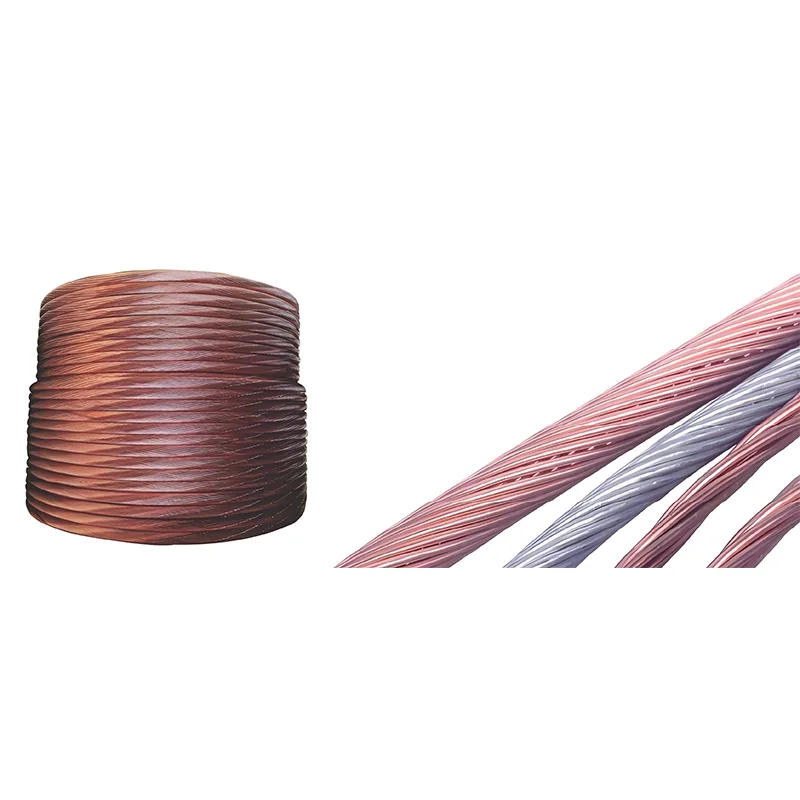
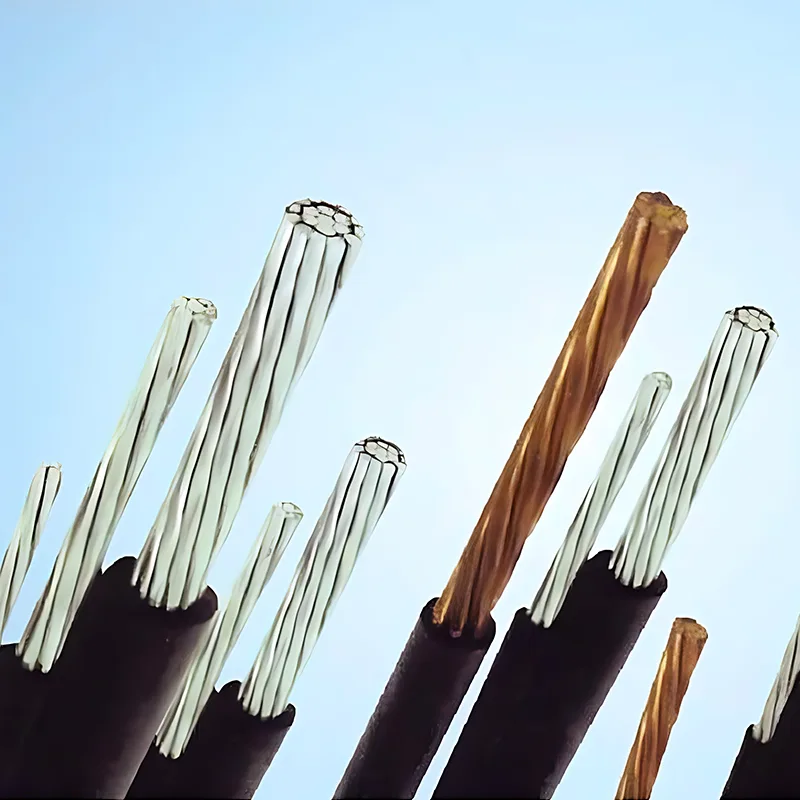
Aluminum Alloy Stranded Wires

Table of Contents


1. Overview of Aluminum Alloy Cable

Aluminum Alloy Cable is a type of electrical conductor made by combining aluminum with trace elements such as magnesium, silicon, or iron. This engineered alloy improves the mechanical and electrical performance of pure aluminum, making it more suitable for demanding power distribution environments.

Compared to conventional conductors, aluminum alloy cables are designed to reduce issues such as creep deformation, oxidation, and mechanical fatigue. These improvements make them widely used in overhead transmission lines, building wiring systems, and industrial electrical networks.


2. Structural Design and Material Composition

The performance of Aluminum Alloy Cable is determined by its internal structure and alloy formulation. Typically, it consists of multiple stranded conductors to improve flexibility and current distribution.

  • Core Alloy Material: Aluminum mixed with magnesium and silicon for strength enhancement
  • Stranding Design: Multi-strand structure for flexibility and vibration resistance
  • Protective Layer: Anti-oxidation coating to improve corrosion resistance

This combination allows the cable to maintain stability under mechanical stress and thermal expansion, which is essential for long-distance power transmission.


3. Key Advantages in Power Systems

Aluminum Alloy Cable offers multiple engineering and economic advantages that make it a preferred solution in modern electrical infrastructure.

  • Lightweight Structure: Easier transportation and installation compared to copper cables
  • Cost Efficiency: Lower raw material cost while maintaining reliable conductivity
  • Corrosion Resistance: Suitable for humid and coastal environments
  • Improved Mechanical Strength: Reduced risk of breakage under tension
  • Thermal Stability: Performs reliably under varying temperature conditions

These advantages significantly reduce lifecycle costs in large-scale electrical projects.


4. Industrial and Commercial Applications

Aluminum Alloy Cable is widely used across various industries due to its versatility and durability.

  • Power transmission and distribution networks
  • Urban infrastructure and smart grid systems
  • Industrial plants and manufacturing facilities
  • Renewable energy systems such as solar and wind farms
  • Commercial and residential building wiring

Its adaptability allows engineers to design efficient electrical systems without compromising safety or performance.


5. Aluminum Alloy vs Copper Cable

One of the most common decision points for engineers and procurement teams is choosing between aluminum alloy and copper conductors.

Feature Aluminum Alloy Cable Copper Cable
Weight Lightweight Heavier
Cost More economical Higher cost
Conductivity Good (optimized alloy design) Very high
Corrosion Resistance High Moderate
Installation Ease Easier More demanding

While copper still leads in conductivity, aluminum alloy cables offer a more balanced and cost-effective solution for large-scale systems.


6. How to Select the Right Cable

Selecting the correct Aluminum Alloy Cable requires careful evaluation of technical and environmental factors.

  • Current Load Requirements: Ensure proper ampacity rating
  • Environmental Conditions: Consider humidity, salinity, and temperature fluctuations
  • Installation Type: Overhead, underground, or indoor systems
  • Mechanical Stress: Evaluate tension and wind load exposure
  • Regulatory Compliance: Meet national and international electrical standards

Proper selection ensures system reliability and minimizes operational risks over time.


7. Installation and Maintenance Insights

Although Aluminum Alloy Cable is designed for durability, proper installation and maintenance are essential for long-term performance.

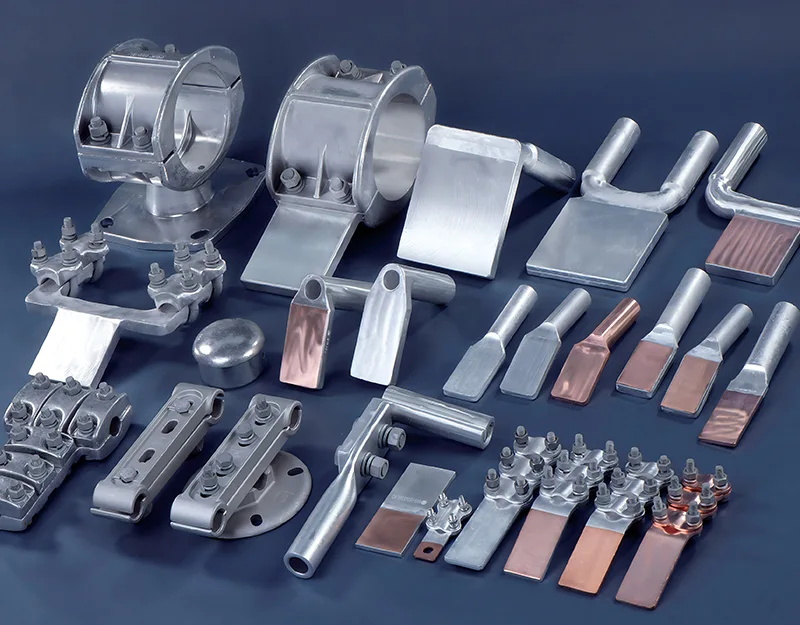
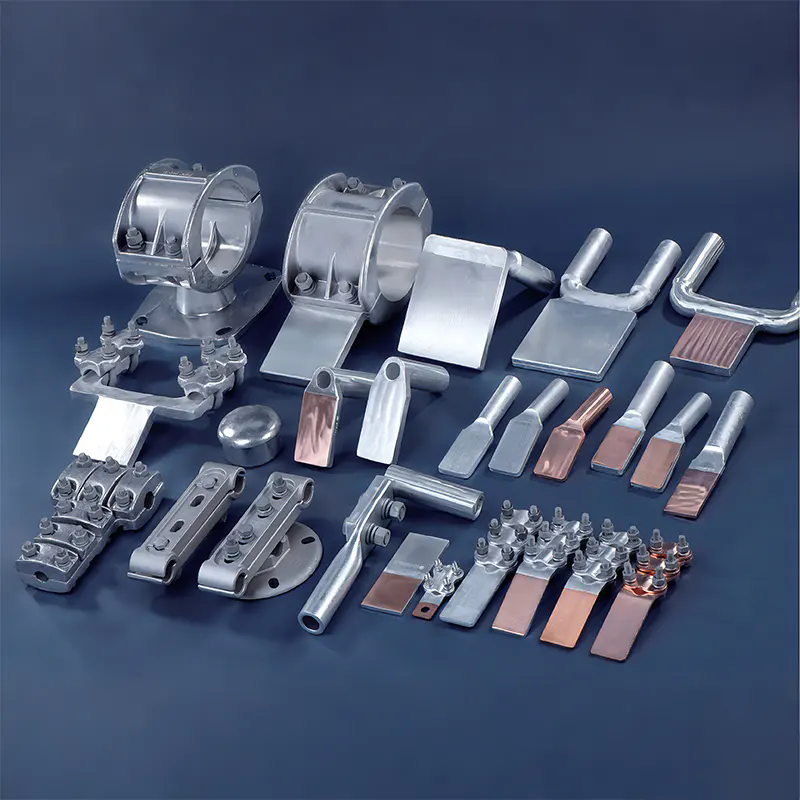
  • Use compatible connectors to avoid galvanic corrosion
  • Ensure correct torque during terminal tightening
  • Inspect insulation regularly for wear and damage
  • Avoid excessive bending during installation
  • Schedule periodic thermal imaging inspections in high-load systems

Following these practices helps extend cable lifespan and maintain stable electrical performance.

8. Frequently Asked Questions

Q1: Is Aluminum Alloy Cable safe for high-load applications?
Yes, it is engineered to handle high electrical loads when properly sized and installed according to standards.

Q2: How long does Aluminum Alloy Cable last?
With proper installation and environmental protection, it can last several decades in industrial applications.

Q3: Can Aluminum Alloy Cable replace copper entirely?
In many applications yes, but in ultra-high conductivity requirements, copper may still be preferred.

Q4: Is it suitable for outdoor environments?
Yes, it has strong corrosion resistance, making it ideal for outdoor and coastal installations.


Conclusion

Aluminum Alloy Cable represents a strategic evolution in electrical transmission technology. By combining mechanical strength, corrosion resistance, and cost efficiency, it offers a practical alternative to traditional conductors in many applications. Its role in modern infrastructure continues to expand as industries seek more efficient and scalable energy solutions.

For high-quality and reliable Aluminum Alloy Cable solutions, Huixing Electric provides advanced manufacturing expertise and tailored engineering support for global clients.

Huixing Electric contact us today to discuss your project requirements and receive professional technical guidance for optimized cable solutions.

Related News
Leave me a message
X
We use cookies to offer you a better browsing experience, analyze site traffic and personalize content. By using this site, you agree to our use of cookies. Privacy Policy
Reject Accept