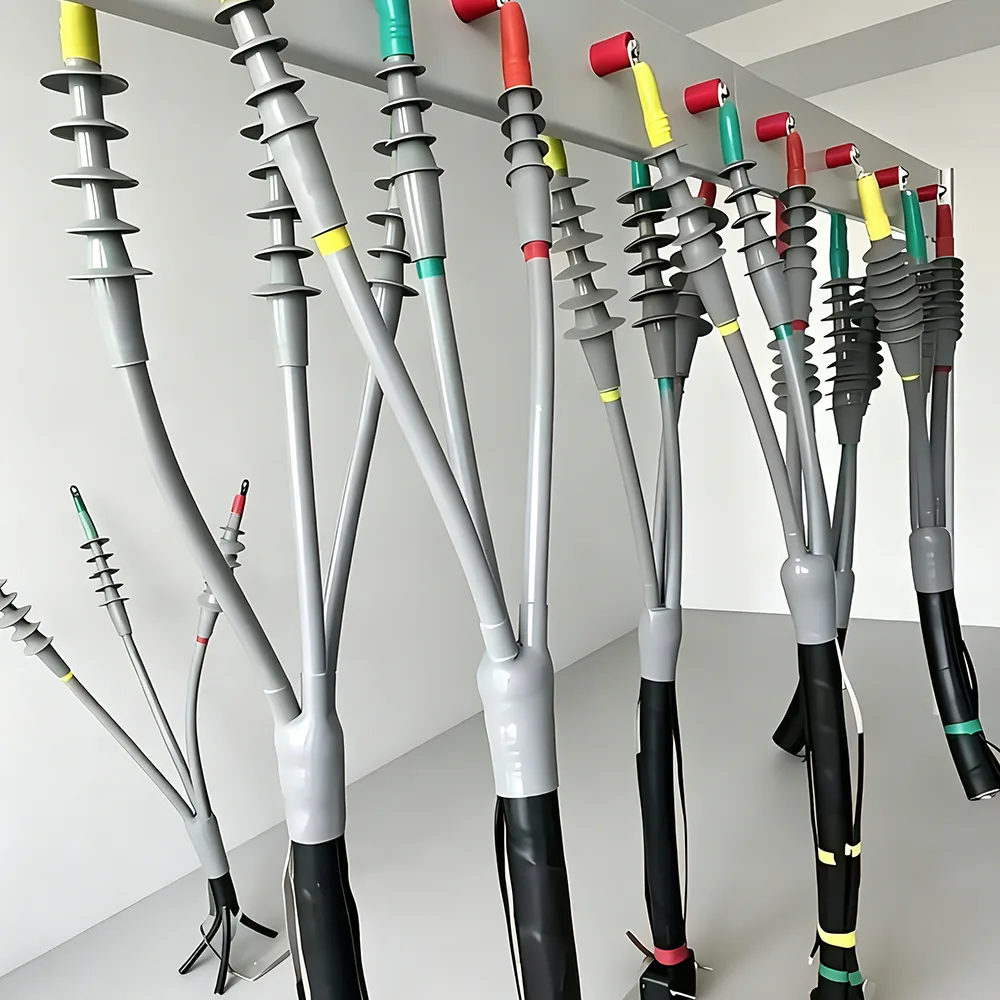
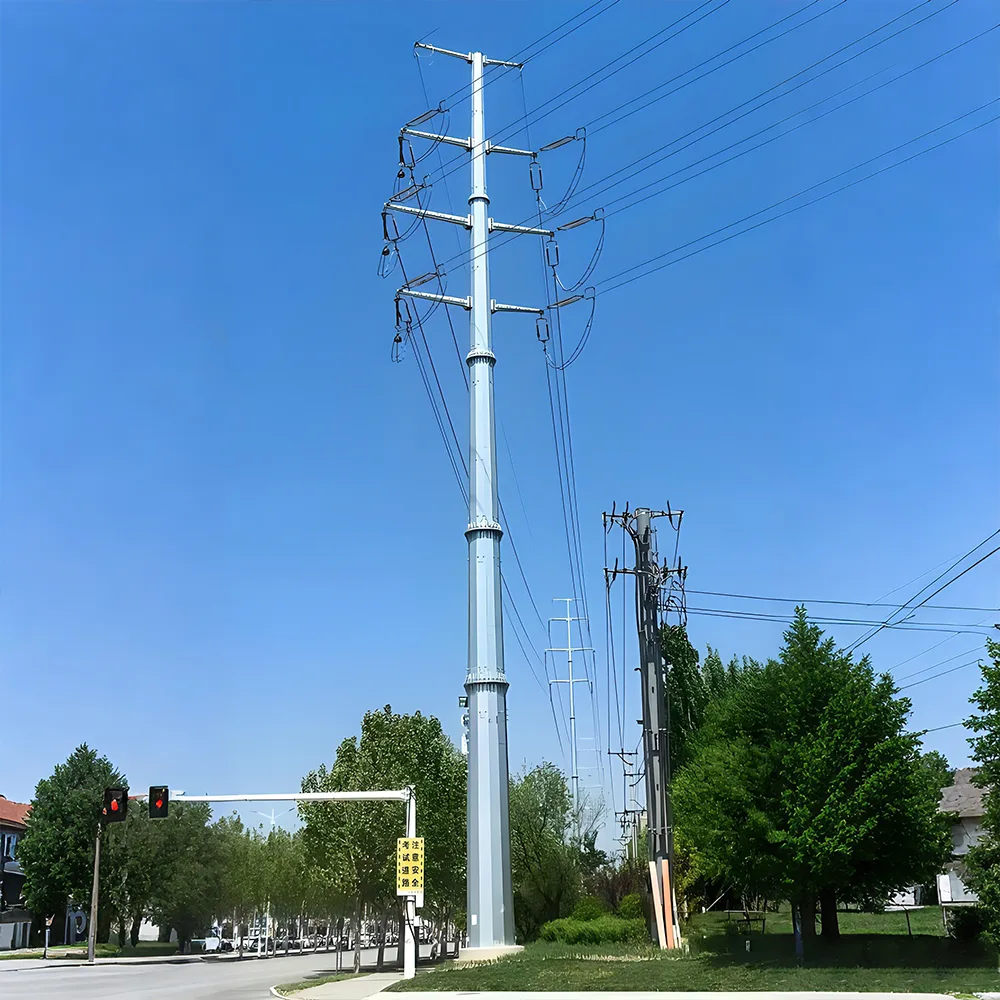
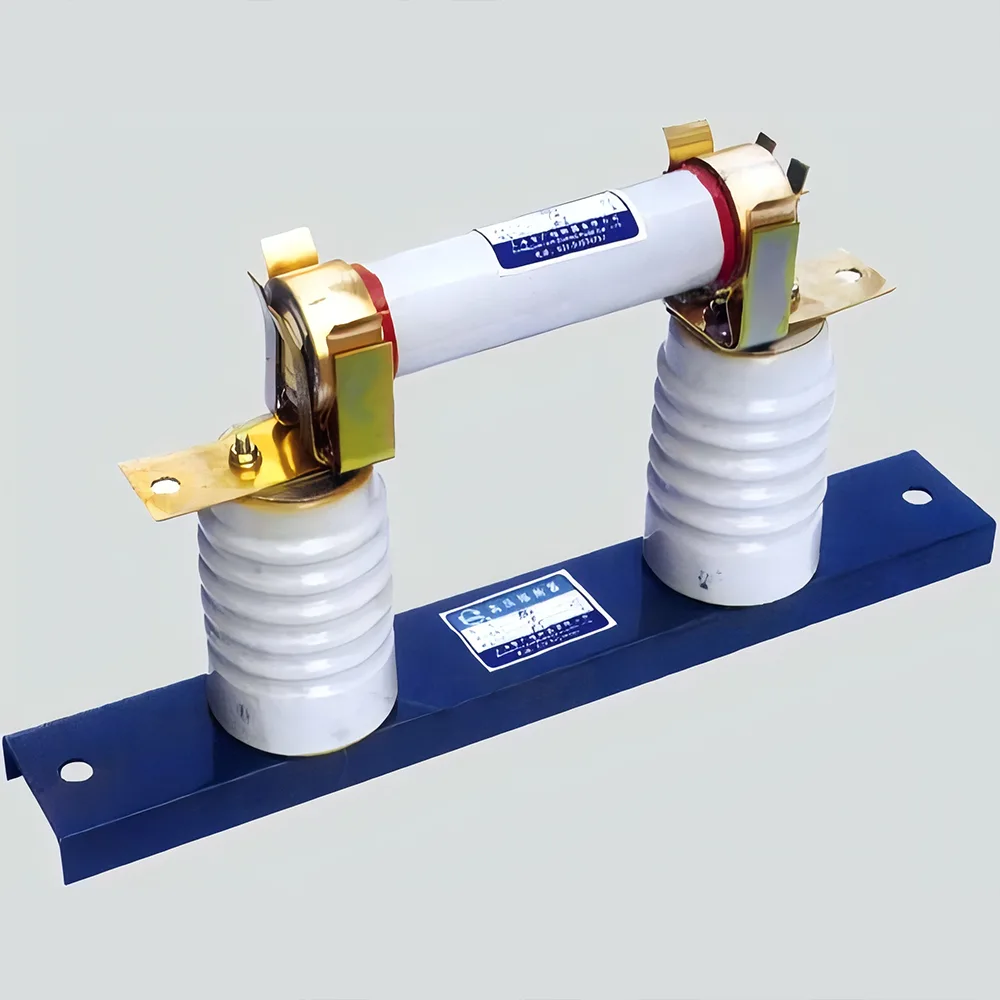
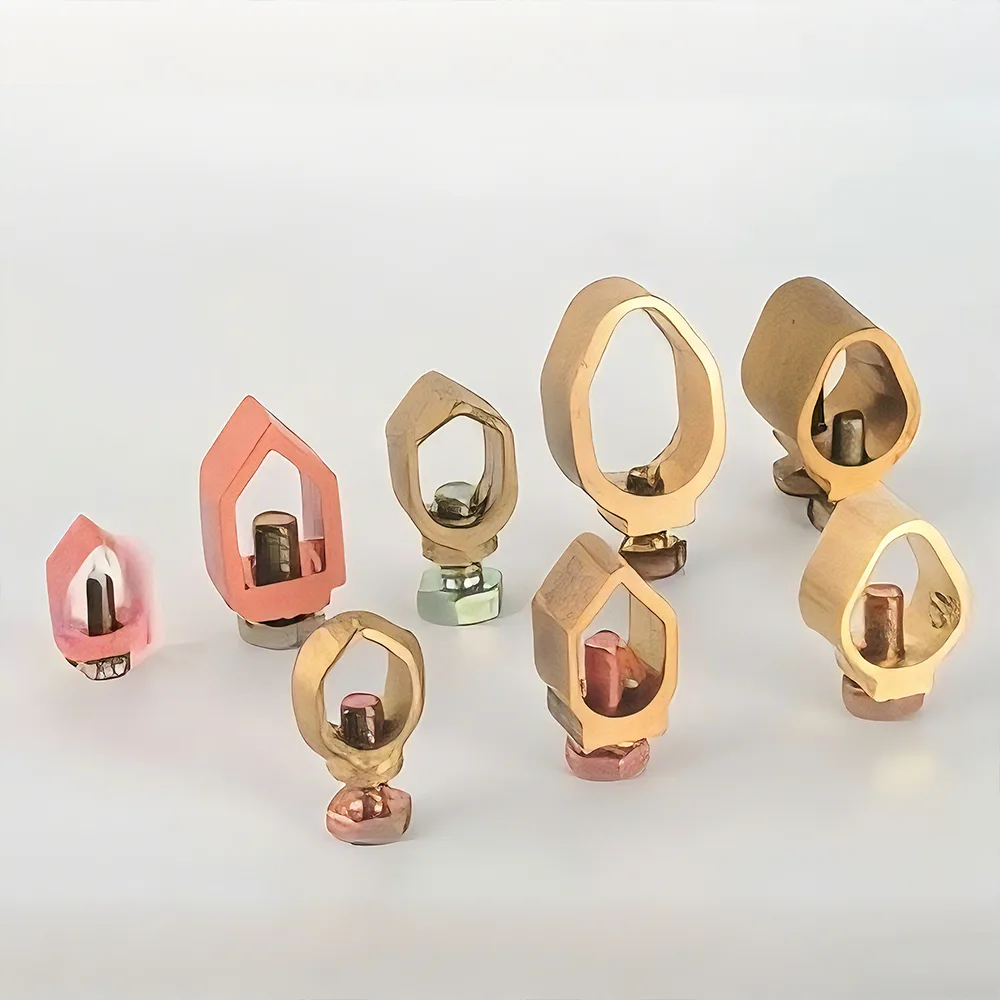
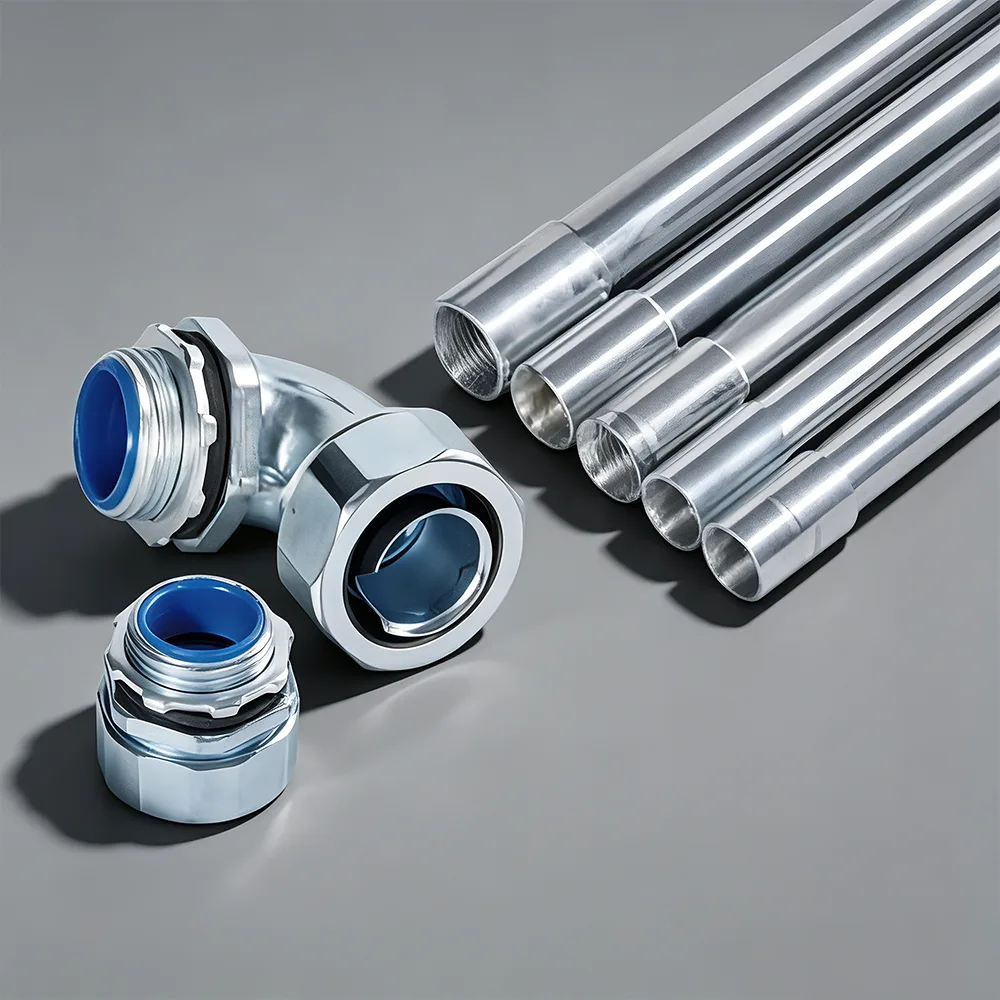
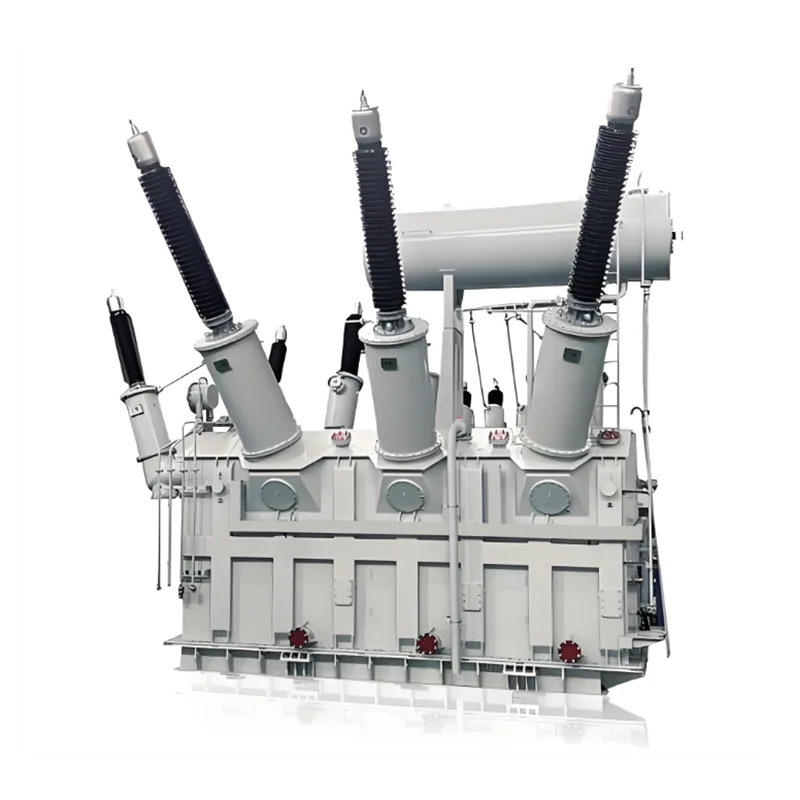
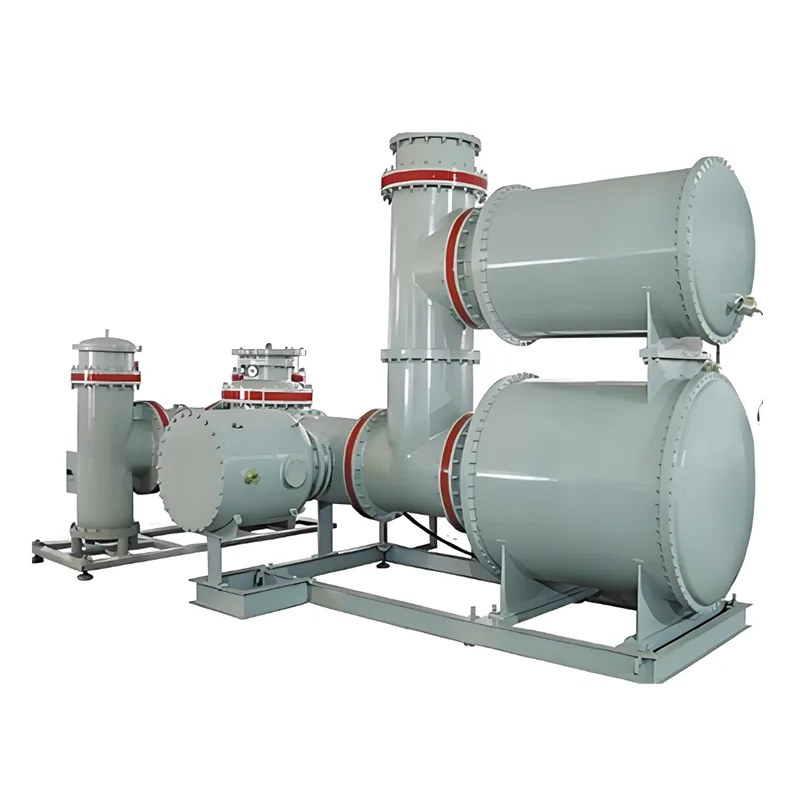
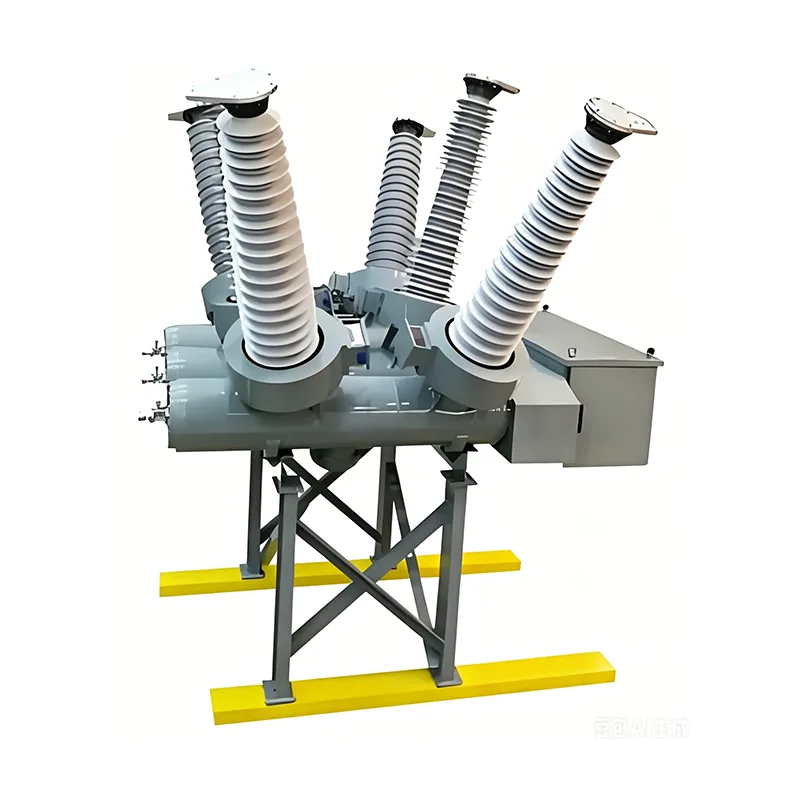
Transmission line fittings are critical metal components that connect, fasten, protect and insulate electrical parts in overhead and cable power transmission systems. Serving as the "skeletal joints" of power grids, they guarantee efficient, safe and stable power transmission. This document introduces their core advantages, product characteristics and typical application scenarios, focusing on the integrated application of power line fittings and substation fittings.
Core Advantages of Transmission Line Fittings
1. Exceptional Mechanical Performance
-
They are made of high-grade aluminum alloy, high-strength alloy steel and hot-dip galvanized steel.
-
Compression-type tension clamps offer a holding force of no less than 95% of the conductor breaking strength.
-
They can bear conductor self-weight, wind load, ice load and short-circuit electrodynamic forces.
-
Preformed and vibration-damping structures absorb micro-vibration and impact energy effectively.
-
Multiple connection forms are available: bolted, crimped, wedge and preformed types.
2. Superior Electrical Performance
-
Surface treatments such as tin plating, hot-dip galvanizing and passivation ensure contact resistance ≤10μΩ.
-
Temperature rise is controlled within 65K to reduce power loss.
-
Copper-aluminum transition fittings avoid galvanic corrosion between dissimilar metals.
-
Streamlined structures designed for UHV lines lower corona loss and radio interference.
-
Their insulation resistance reaches no less than 10¹²Ω, satisfying high-voltage operation requirements.
3. Excellent Environmental Adaptability
-
Hot-dip galvanizing, Dacromet coating and passivation endow these products with outstanding corrosion resistance.
-
They are applicable to coastal, industrial, alpine and heavily polluted service environments.
-
Expansion joints compensate for thermal expansion and contraction of conductors.
-
Self-locking wedge-type structures greatly reduce daily maintenance work.
-
Lightweight aluminum structures effectively lower the load on transmission towers.
4. Scientific Design for Easy Installation
-
The modular structure enables flexible assembly and combination.
-
Products are manufactured strictly in accordance with GB/T 2314-2008 to achieve good universal interchangeability.
-
The integrated multi-functional design reduces the use of auxiliary parts.
-
Piercing clamps can be installed without stripping conductor insulation.
Eight Specialized Fitting Types and Key Features
1. Insulation Fittings
-
They adopt composite materials such as epoxy fiberglass and silicone rubber for excellent insulation performance.
-
Hydrophobic surfaces effectively prevent pollution flashover.
-
They combine reliable insulation performance with strong mechanical load-bearing capacity.
-
Main types: insulated suspension fittings, insulated tension clamps, insulated spacers.
2. Connection Fittings
-
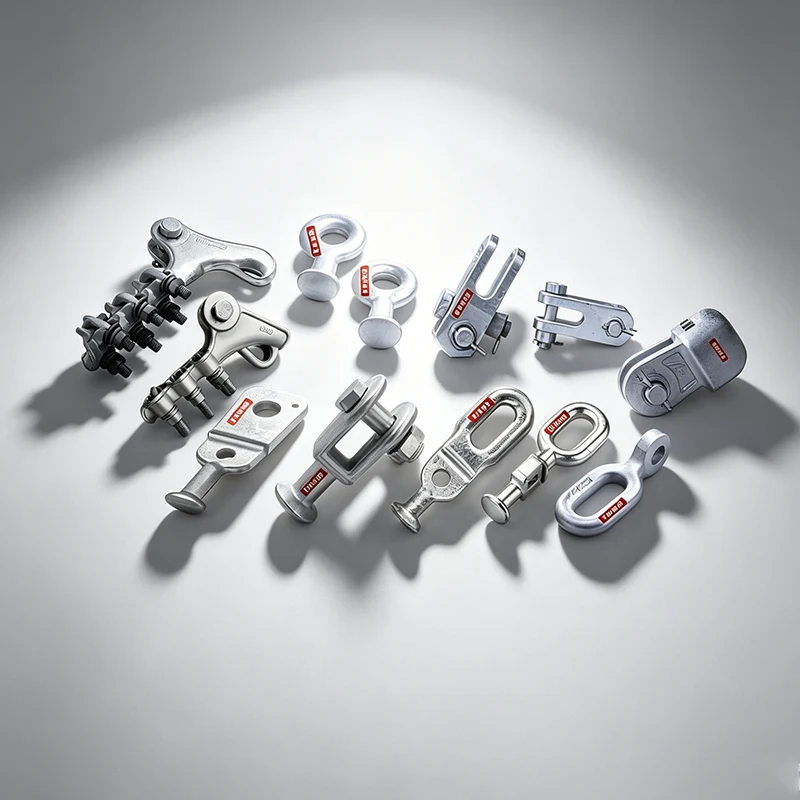
They are used for transition connection between insulators, towers and conductors.
-
Standardized interfaces facilitate field installation and replacement.
-
Main types: ball eyes, socket clevises, U-bolts, adjusting plates, traction plates.
3. Suspension Clamps
-
They fix conductors on insulator strings of tangent towers.
-
They allow proper conductor displacement to adapt to thermal expansion.
-
Built-in rubber or aluminum liners prevent conductor surface damage.
-
The holding force is no less than 12% of the conductor breaking strength.
-
Main types: XGU series, preformed suspension clamps, double suspension clamps.
4. Protection Fittings
-
Mechanical protection: vibration dampers, armor rods, conductor spacers.
-
Electrical protection: grading rings, shielding rings, arcing horns.
-
They effectively restrain conductor vibration, galloping and excessive electrical stress.
-
Main types: FD series vibration dampers, JBL series spacers.
5. Cable Fittings
-
They are specially developed for cable termination, intermediate connection and fixing.
-
They feature good sealing performance for laying in underground tunnels and bridge environments.
-
Main types: cable terminals, cable clamps, cable joints, grounding fittings.
6. T-Connectors
-
They realize branch wiring without severing main conductors.
-
The piercing structure requires no insulation stripping during construction.
-
Uniform clamping force ensures stable conductive performance.
-
Main types: MGT series, piercing T-connectors, bolted T-connectors.
7. Splicing Fittings
-
They ensure complete mechanical and electrical continuity of connected conductors.
-
Their DC resistance is not higher than that of conductors of the same length.
-
Main types: hydraulic compression splicing sleeves, parallel groove clamps, preformed splices, repair sleeves.
8. Tension Clamps
-
They firmly fix conductors at line terminals, corner positions and tension towers.
-
They are able to bear the full tension of conductors (no less than 95% of conductor breaking strength).
-
Main types: NLD series, hydraulic tension clamps, preformed tension clamps.
Typical Application Scenarios
1. Straight-Line Overhead Transmission Towers
-
Suspension clamps hang conductors via insulator strings.
-
Connection fittings connect insulators with tower cross arms.
-
Protection fittings such as vibration dampers and armor rods reduce vibration damage.
-
Insulation fittings are applied in high-voltage and heavily polluted areas.
2. Tension & Corner Overhead Transmission Towers
-
Tension clamps fix conductors and transmit overall tension to tower bodies.
-
Connection fittings adjust installation length to balance line tension.
-
Protection fittings including grading rings and spacers optimize electric field distribution.
-
They are widely used at line terminals, corner sections and branch nodes.
3. Conductor Splicing and Branching
-
Splicing fittings are used for conductor repair and line extension.
-
T-connectors are adopted to set up branch lines for power supply access.
-
Cable fittings are applied to underground cable connection and fixing.
-
They are ideal for daily maintenance, capacity expansion and emergency maintenance.
4. Cable Transmission Systems
-
Cable fittings realize connection between cables, overhead lines and power equipment.
-
Insulation fittings prevent electric leakage in humid environments.
-
Connection fittings provide reliable grounding and fixed installation.
-
They are suitable for urban power grids, underground pipe corridors and submarine power transmission projects.
5. UHV Transmission Lines
-
Special low-corona, high-strength suspension and tension clamps are adopted.
-
High-performance insulation fittings adapt to extreme electric field environments.
-
Optimized protection fittings reduce energy loss and electromagnetic interference.
-
High-strength connection and splicing fittings withstand huge line tension.
6. Harsh Environment Applications
-
Coastal areas adopt anti-corrosion fittings with enhanced surface treatment.
-
Alpine regions use anti-freeze structured fittings to avoid ice-caused failures.
-
Heavily polluted areas deploy anti-flashover dedicated insulation fittings.
-
Strong wind areas apply reinforced protection fittings to restrain conductor galloping.
Conclusion
Transmission line fittings cover insulation, connection, suspension, protection, cable, T-connection, splicing and tension categories, laying a solid foundation for reliable power transmission. Huixing Zhongdian (Beijing) Electric Co., Ltd. supplies high-quality transmission line fittings and substation fittings that comply with international standards.
With the rapid development of UHV power grids and smart power systems, our products are continuously upgraded toward higher precision, lighter weight, maintenance-free operation and intelligent monitoring, supporting the construction of modern and robust power infrastructure worldwide.