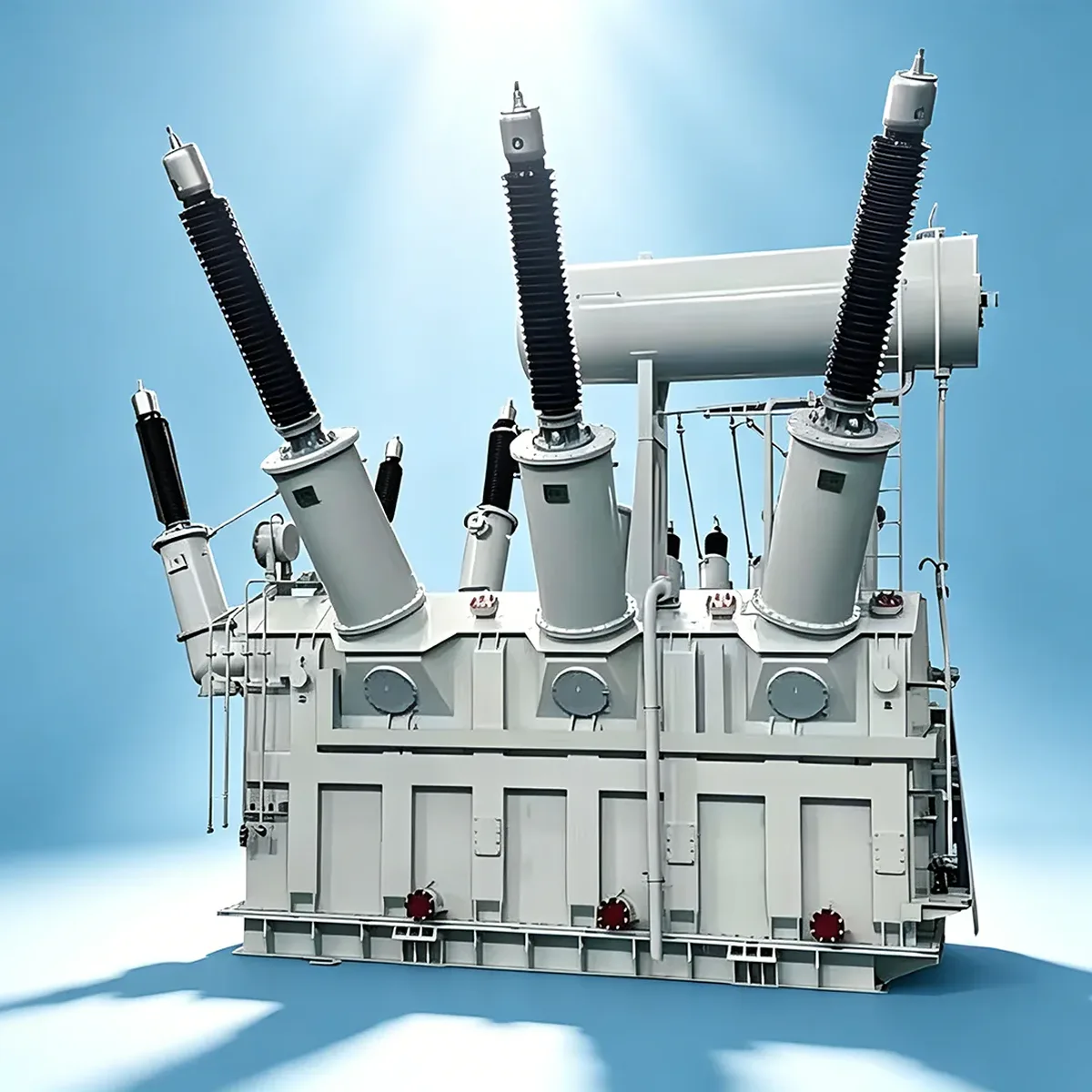
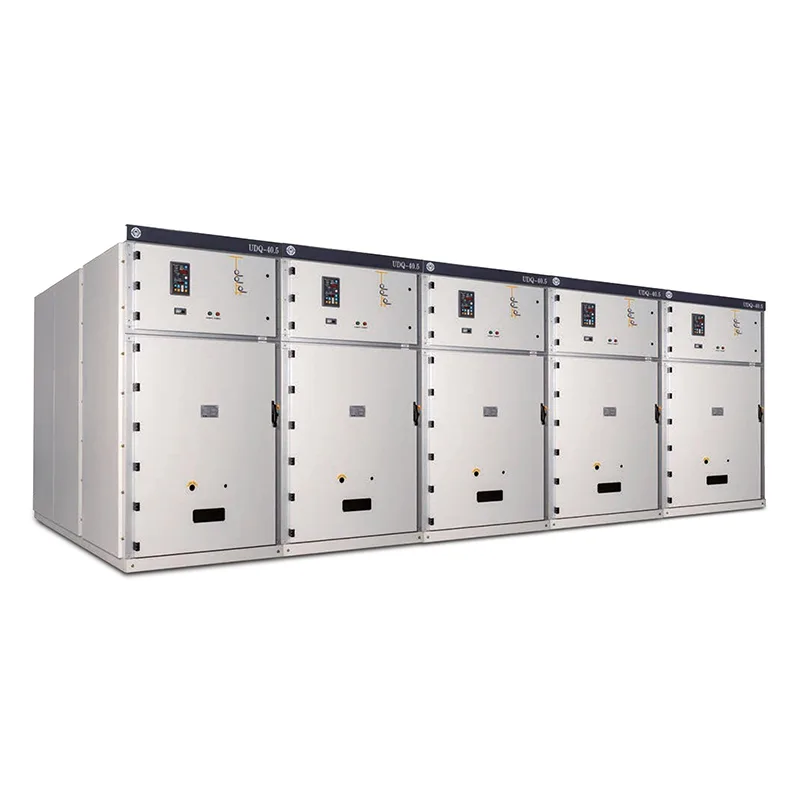
Huixing provides power equipment solutions for transmission and distribution systems, including the High Voltage Circuit Breaker designed for outdoor substations and high-voltage power projects. Using a dead-tank SF₆ gas circuit breaker design with dual arc-quenching technology, this equipment helps control electrical circuits, interrupt short-circuit faults, and support reliable grid operation. Understanding its working principles, technical specifications, and selection criteria enables utilities, EPC contractors, and industrial power users to make informed purchasing decisions.
A high voltage circuit breaker is an essential protection device in modern electrical power systems. It switches circuits during normal operation and interrupts fault currents when abnormal electrical conditions occur. Huixing's dead-tank SF₆ gas high voltage circuit breaker portfolio covers rated voltage levels from 40.5 kV to 245 kV, with rated short-circuit breaking current options ranging from 25 kA to 63 kA. Its dual arc-quenching design combines self-energy and puffer-type principles to support reliable interruption under different fault conditions. This guide explains the operating mechanism, major advantages, applications, technical parameters, selection considerations, and maintenance practices that electrical engineers and project purchasers should understand before choosing a circuit breaker.
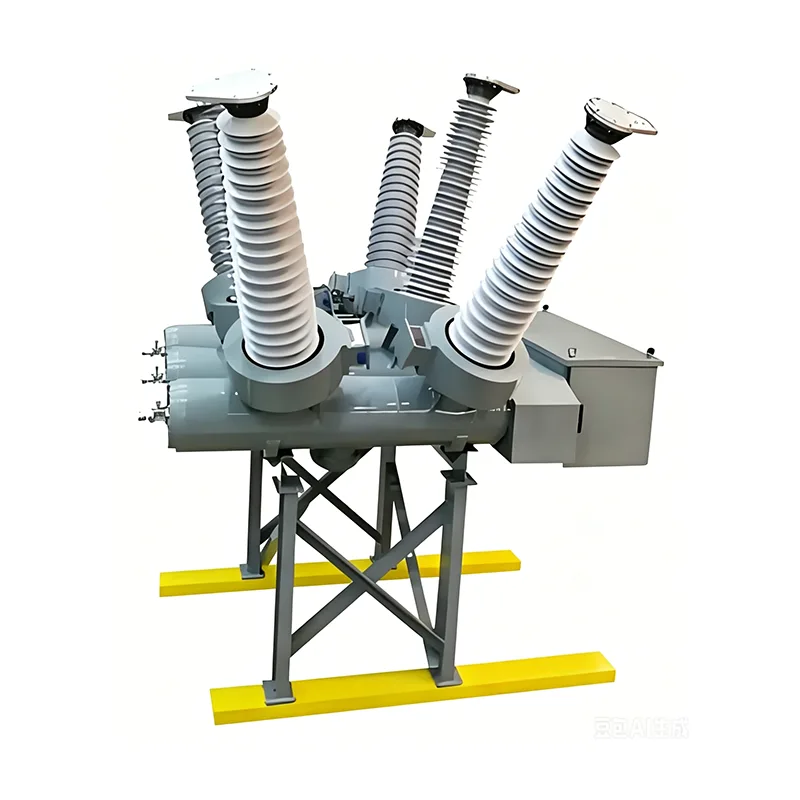
A high voltage circuit breaker is a switching and protection device designed to establish, carry, and interrupt electrical current in high-voltage power systems. Unlike a conventional switch, it must be capable of interrupting fault currents that may reach extremely high levels during short circuits.
When a fault occurs, the protection system detects abnormal electrical conditions and sends a trip command to the circuit breaker. Its operating mechanism separates the contacts, and the arc-quenching system extinguishes the electrical arc formed during interruption. This process isolates the affected circuit and helps limit damage to transformers, transmission lines, busbars, and other connected equipment.
Huixing's featured solution uses a dead-tank SF₆ gas circuit breaker. In a dead-tank design, the interrupter assembly is housed within a grounded metal enclosure. SF₆ gas serves as the insulating and arc-quenching medium in the specified product design.
For power utilities and industrial engineering projects, selecting the correct circuit breaker is essential to achieving dependable fault protection, operational flexibility, and coordinated electrical system performance.
Learn more about Huixing's high voltage circuit breaker and its available technical configurations.
The operating process combines electrical protection signals, a mechanical drive system, and an arc-extinguishing mechanism. Each part must respond correctly to ensure that the circuit breaker interrupts current safely.
During normal operation, the circuit breaker's contacts remain closed, allowing current to flow through the circuit. The equipment must carry its specified rated current without exceeding the applicable temperature-rise and operating limits.
Protective relays monitor electrical parameters such as current and voltage. When a short circuit or another abnormal condition meets the configured protection criteria, the relay sends a trip signal to the circuit breaker's control mechanism.
After receiving the trip command, the operating mechanism separates the contacts. An electrical arc forms between them because current continues through the ionized medium for a short period. The circuit breaker's interrupter must control and extinguish this arc effectively.
Huixing's product uses a dual arc-quenching approach combining self-energy and puffer-type principles. Under higher short-circuit current conditions, arc-generated heat helps expand the SF₆ gas and create a high-speed gas flow. Under lower fault-current conditions, mechanical compression generates a directional gas jet to cool the arc region.
Once the arc is extinguished, the gap between the contacts must recover sufficient dielectric strength to withstand the transient recovery voltage. This helps prevent the arc from reigniting and supports successful fault isolation.
For outdoor transmission and transformation projects, circuit breaker performance affects system safety, maintenance planning, and long-term operating costs. The main advantages of a suitably specified dead-tank SF₆ circuit breaker include the following.
These benefits depend on correct engineering, installation, commissioning, and maintenance. A circuit breaker should always be selected according to the actual network study and applicable project standards rather than general product descriptions alone.
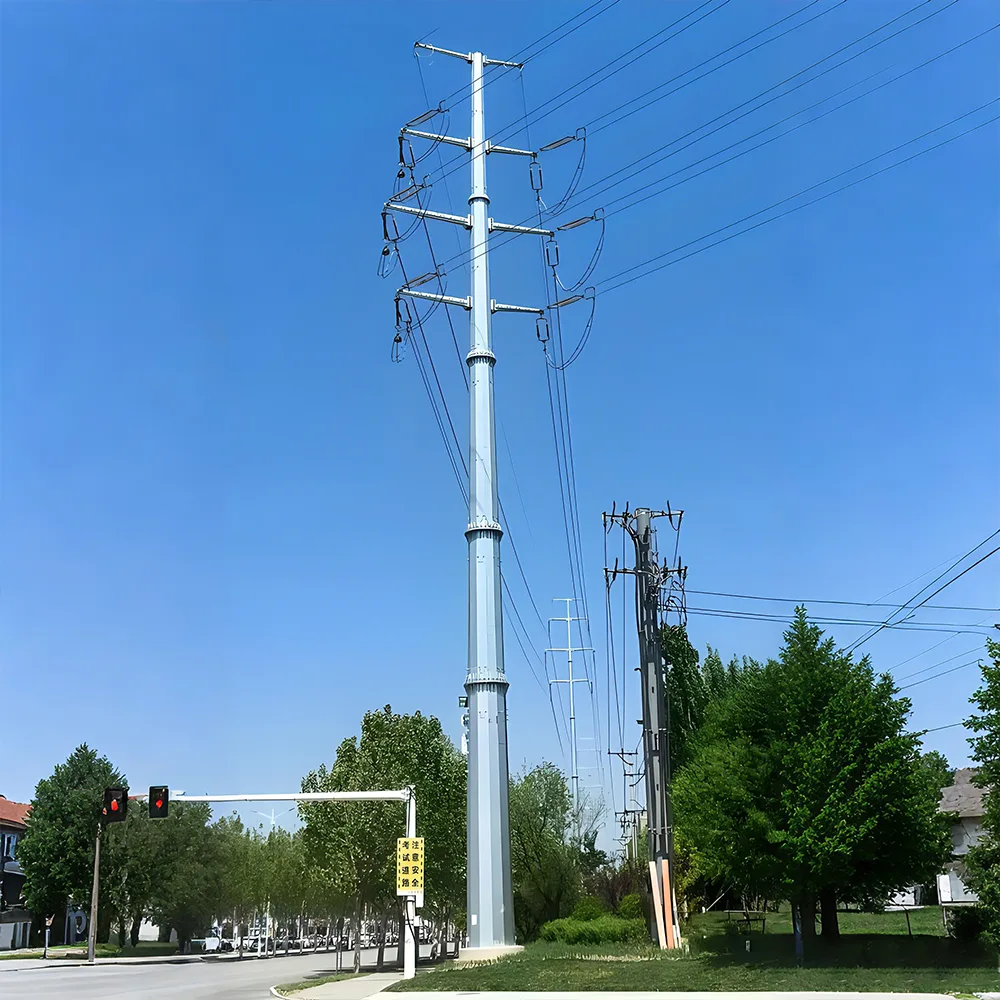
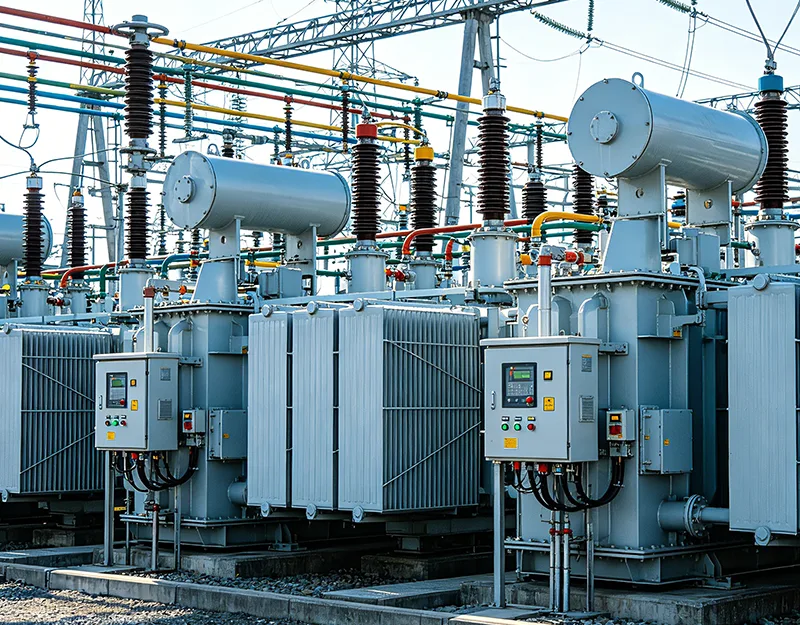
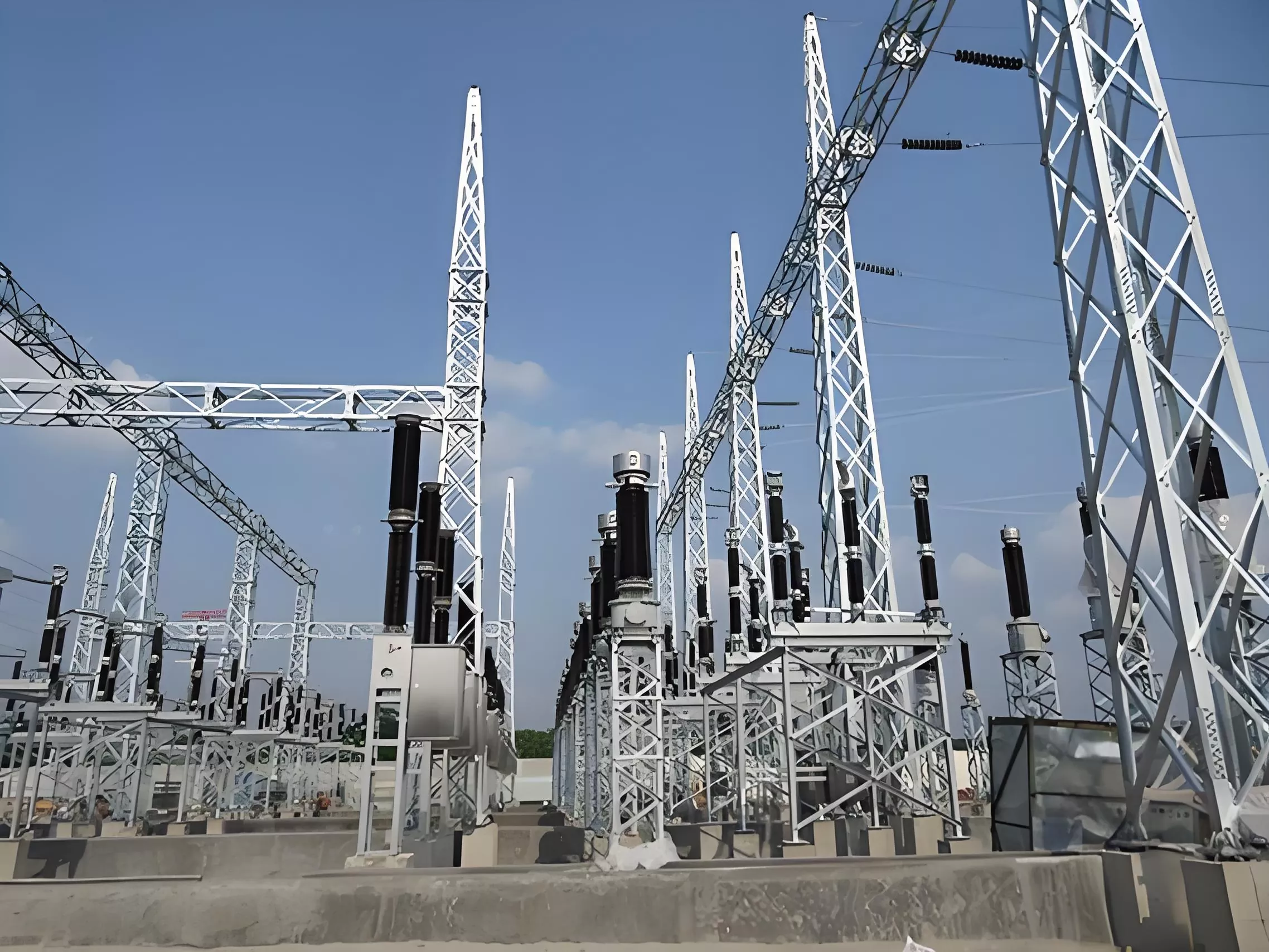
High voltage circuit breakers are used wherever electrical networks require controlled switching and reliable interruption of fault currents. Huixing's dead-tank SF₆ models are primarily intended for outdoor substations and power transmission and transformation projects.
Substations use circuit breakers to control incoming and outgoing feeders, transformer circuits, and busbar sections. They help isolate faults while allowing unaffected parts of the network to remain in service when the protection and switching scheme permits.
Large industrial facilities and industrial parks may require high-voltage connections to support production equipment, large motors, and distribution transformers. Properly rated circuit breakers provide an important layer of protection for these electrical installations.
Solar and wind power projects require switching and protection equipment between generation facilities, collector systems, transformers, and the grid connection point. Circuit breaker selection must account for the project's voltage level, fault-current contribution, protection coordination, and operating conditions.
As utilities expand substations or replace aging equipment, new circuit breakers must be compatible with the existing network's electrical ratings, physical layout, control circuits, and protection scheme.
For each application, engineers should verify whether the selected model satisfies the project's fault level, insulation requirements, switching duties, and environmental conditions.
Electrical engineers should assess more than the rated voltage when comparing high voltage circuit breakers. Breaking capacity, continuous current, insulation withstand levels, operating times, mechanical endurance, and control requirements all influence suitability.
| Technical Parameter | Huixing Product Information | Why It Matters |
|---|---|---|
| Rated voltage range | 40.5–245 kV | Must match the system voltage class and insulation coordination requirements. |
| Rated current range | 1,600–4,000 A, depending on model | Determines the specified continuous current-carrying capability. |
| Rated short-circuit breaking current | 25–63 kA, depending on model | Must be sufficient for the prospective short-circuit current at the installation point. |
| Rated frequency | 50/60 Hz | Must correspond to the power system frequency. |
| Power-frequency withstand voltage | Model-dependent; published values include 140 kV and higher levels | Supports evaluation of insulation performance under specified test conditions. |
| Lightning impulse withstand voltage | Model-dependent; published values range from 325 kV to 1,050 kV | Indicates the specified ability of the insulation system to withstand impulse overvoltages. |
| Mechanical endurance | 6,000 operating cycles listed | Helps assess the mechanical operating life under the defined test conditions. |
| Opening time | 30 ms or less, as published | Affects protection and switching performance within the complete interruption sequence. |
| Breaking time | 60 ms or less, as published | Indicates the time required to interrupt current under the specified conditions. |
| Applicable standards | GB/T 1984 and IEC 62271-100 are listed | Provides a basis for reviewing product testing and compliance requirements. |
Important selection note: The values above summarize the product page and are not a complete model-by-model rating schedule. Individual ratings vary by voltage class and configuration. Buyers should request the latest technical datasheet and confirm every required value for the exact model before approving a purchase.
Choosing a high voltage circuit breaker requires coordination between the electrical design team, equipment supplier, project contractor, and operating utility. The following checklist provides a practical starting point.
Huixing offers product configurations for different voltage and current requirements, with customization available for certain project conditions. Engineers should submit the network specifications and project requirements to ensure that the proposed circuit breaker matches the actual application.
Even a well-designed circuit breaker requires an appropriate inspection and maintenance program. The frequency and scope of maintenance should follow the manufacturer's instructions, applicable regulations, operating history, and site risk assessment.
Important maintenance activities may include:
SF₆ is a potent greenhouse gas. Gas handling, leak prevention, recovery, and disposal should follow applicable environmental regulations and manufacturer procedures. Any maintenance involving high-voltage equipment or pressurized gas must be performed by qualified personnel using approved safety procedures.
A proactive maintenance strategy helps identify developing issues before they affect equipment availability and supports more predictable lifecycle planning.
Its main function is to switch electrical circuits and interrupt fault currents when required by the protection system. It helps isolate faults and protect connected equipment from the consequences of abnormal electrical conditions.
Huixing lists rated voltage options from 40.5 kV to 245 kV for its dead-tank SF₆ gas circuit breaker portfolio. The exact ratings and associated technical parameters depend on the selected model.
SF₆ has strong dielectric and arc-quenching properties, making it suitable for certain high-voltage interruption designs. Because it is also a potent greenhouse gas, effective sealing, leakage monitoring, recovery, and responsible handling are important.
Rated current refers to the current the circuit breaker is designed to carry continuously under specified conditions. Rated short-circuit breaking current refers to the fault-current level it is designed to interrupt under defined test conditions. Both ratings must meet the system's requirements.
Use the prospective short-circuit current calculated for the installation point, then verify the required rating and applicable system conditions with the electrical design team. The selected breaking capacity must be adequate for the network fault level and specified switching duties.
Huixing indicates that customized production is available for certain engineering requirements, including special electrical parameters and challenging environmental conditions. Provide the required voltage, current, breaking capacity, site conditions, and project documentation to confirm feasibility.
Huixing's product page lists GB/T 1984 and IEC 62271-100. Buyers should confirm the applicable edition, required type-test documentation, local regulations, and any additional project-specific standards before placing an order.
A high voltage circuit breaker is a critical component in power transmission and distribution systems, supporting normal switching operations and rapid fault interruption. When selecting equipment, engineers should evaluate rated voltage, continuous current, short-circuit breaking capacity, insulation withstand levels, operating performance, environmental conditions, and maintenance requirements as an integrated set of criteria. Huixing's dead-tank SF₆ gas circuit breaker portfolio, covering 40.5–245 kV voltage classes and incorporating dual arc-quenching technology, provides options for outdoor substations, industrial power systems, renewable energy connections, and transmission network projects. To identify the appropriate configuration for your application, explore Huixing's High Voltage Circuit Breaker solutions and contact us to discuss your technical specifications, request model-specific documentation, and obtain a quotation tailored to your power project.