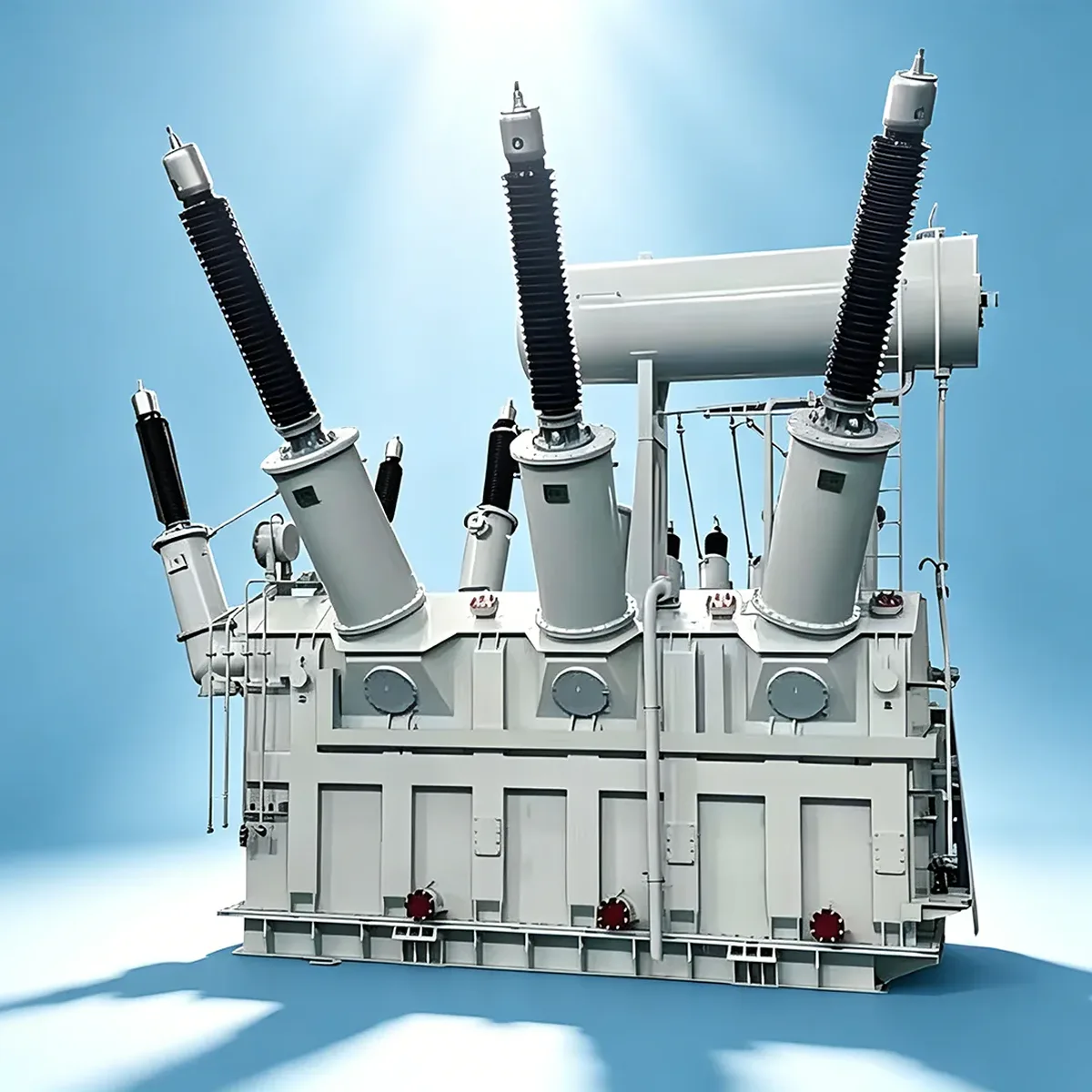
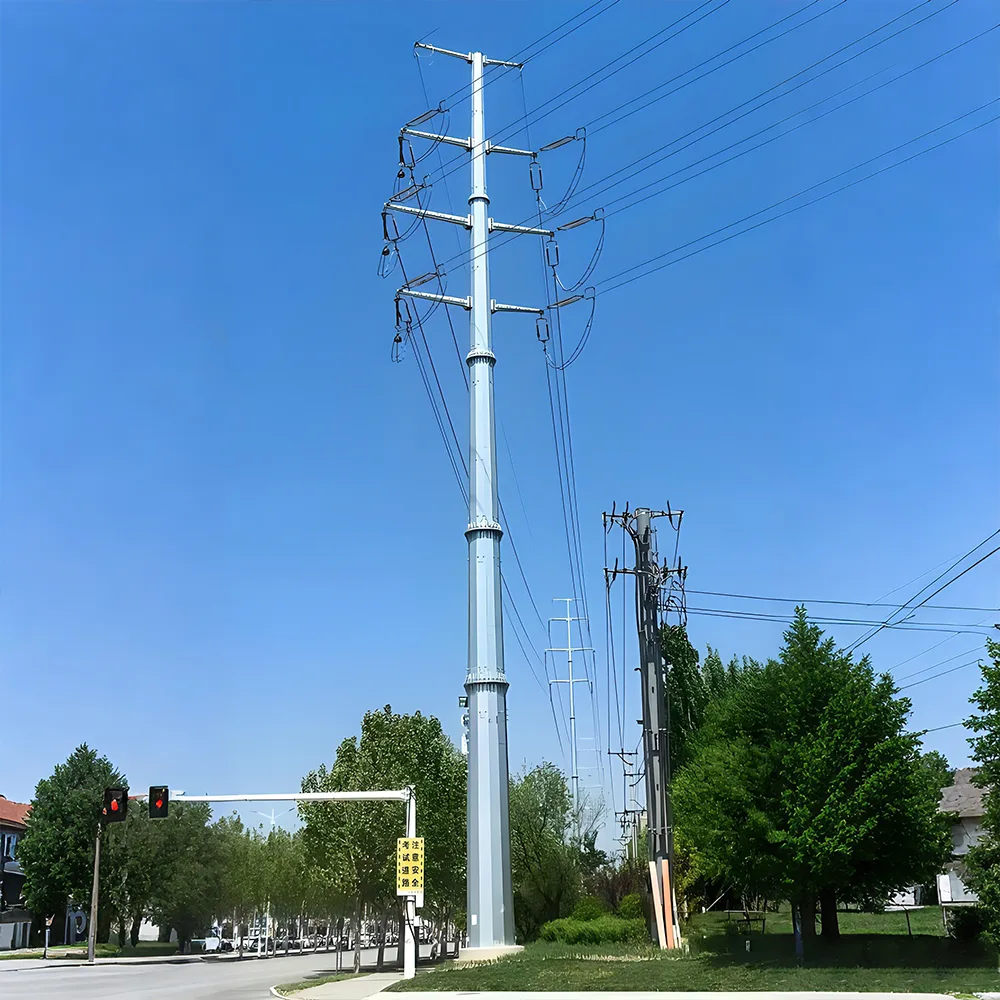
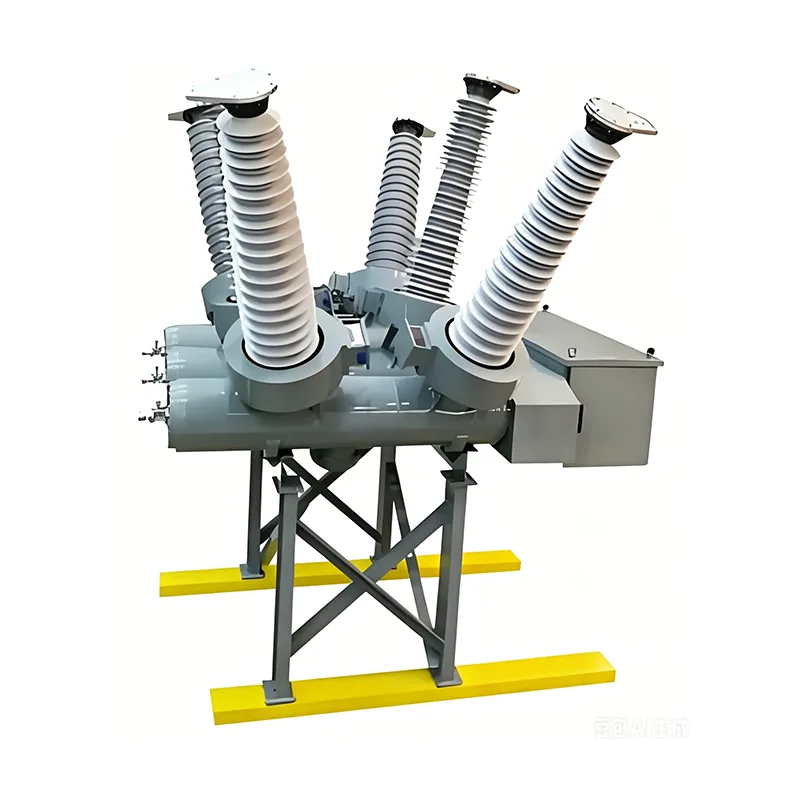
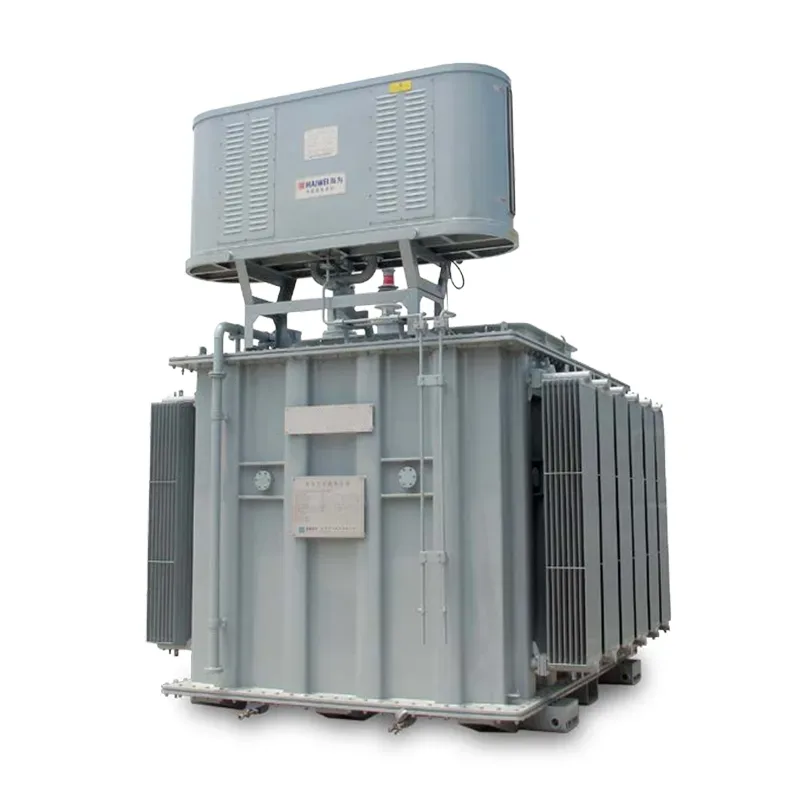
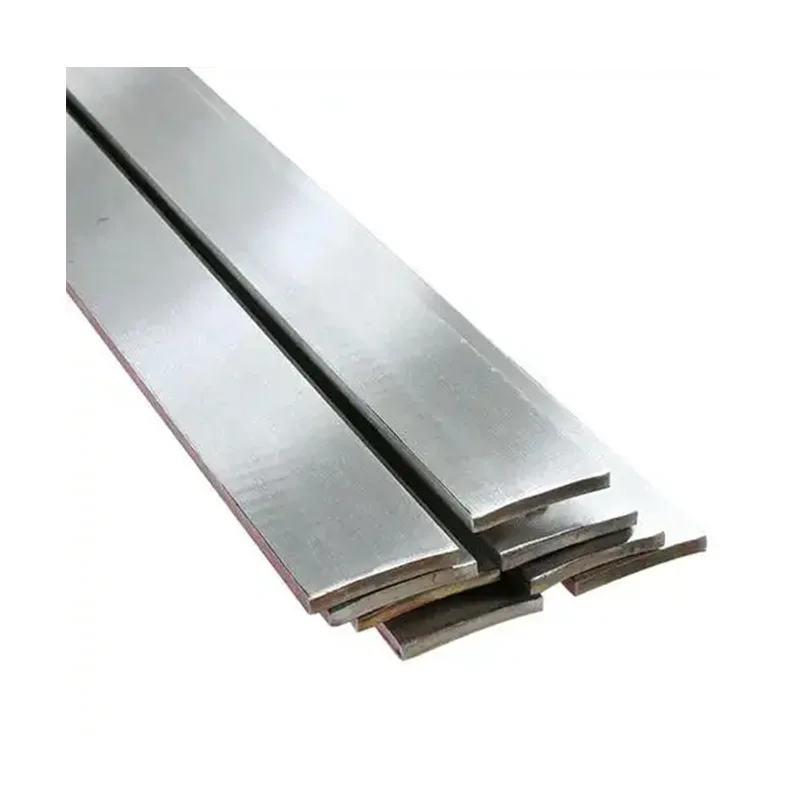
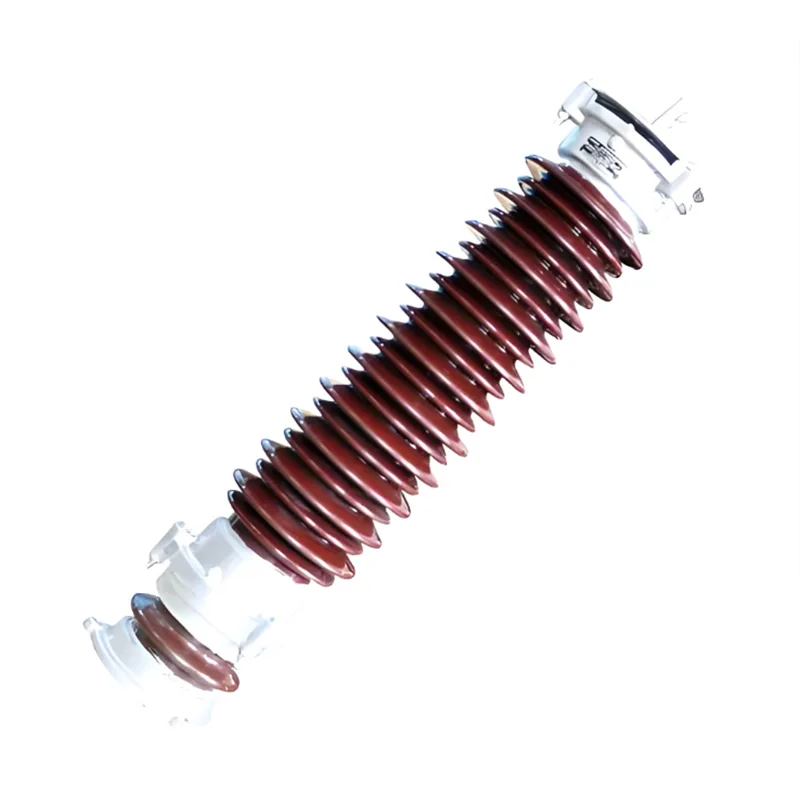
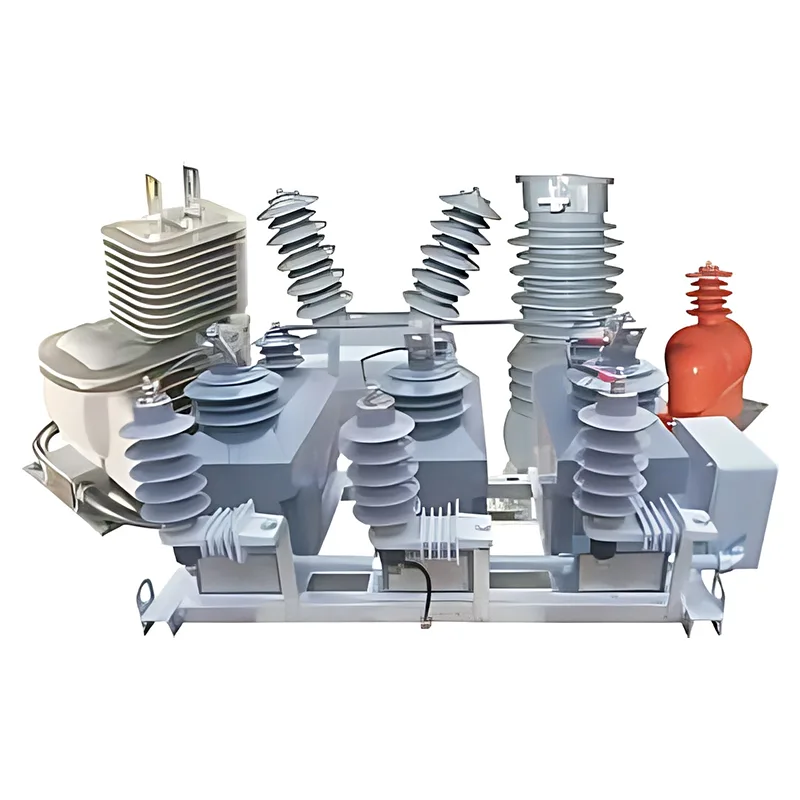
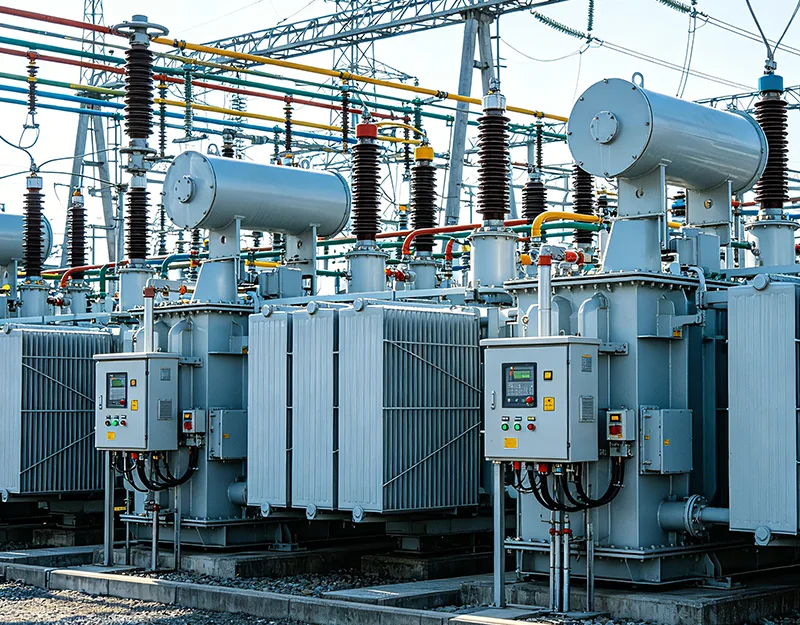
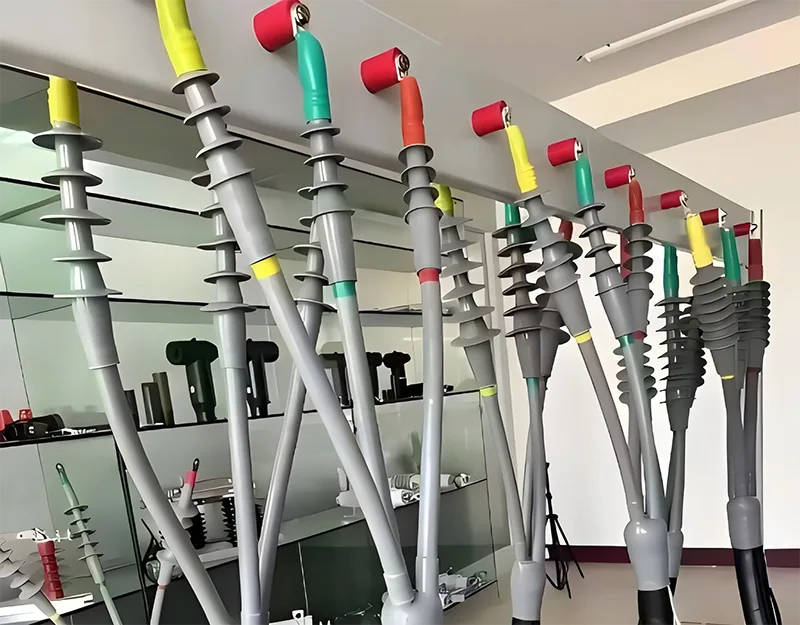
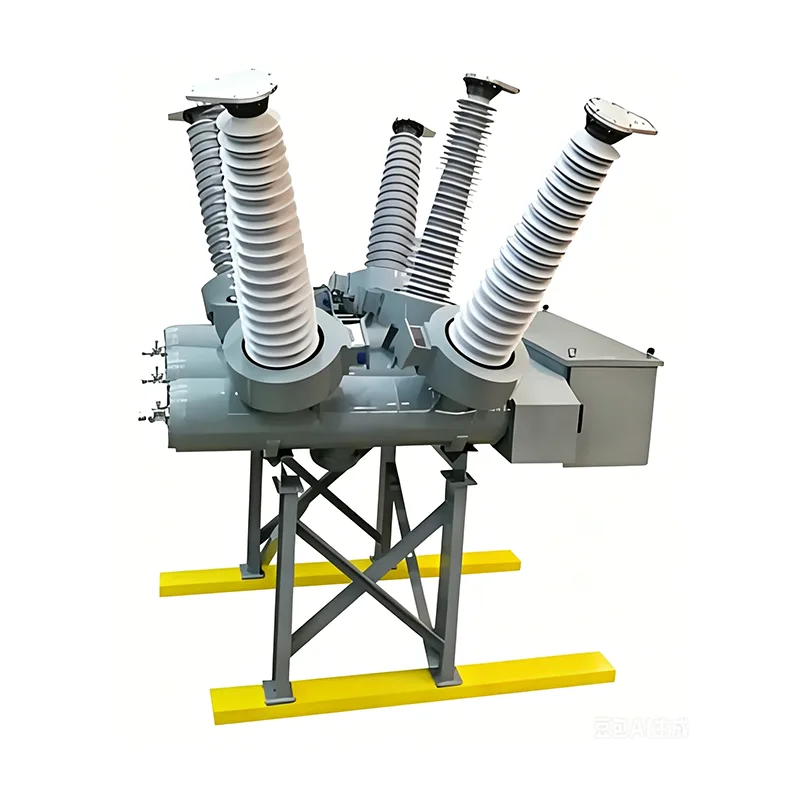
The core feature of AIS Substation (Air Insulated Substation, air-insulated transformer station) is that it uses atmospheric air as the main insulation material, is arranged in an open manner, has low cost but large land occupation, is environmentally sensitive, and is easy to maintain. It is the most mainstream type of transformer station worldwide (accounting for over 70%).
Core insulation and structural characteristics
Insulation medium:
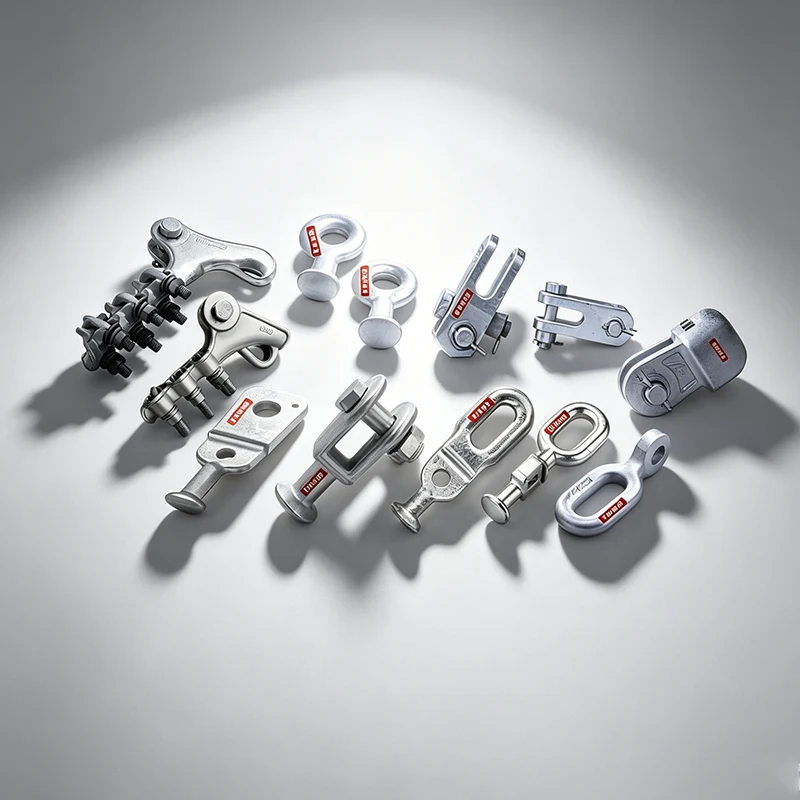
The main insulation between phases and between the phase and ground is provided by ambient air, relying on air gaps + post / suspension insulators to ensure insulation strength (approximately 30 kV/cm).
Arrangement form:
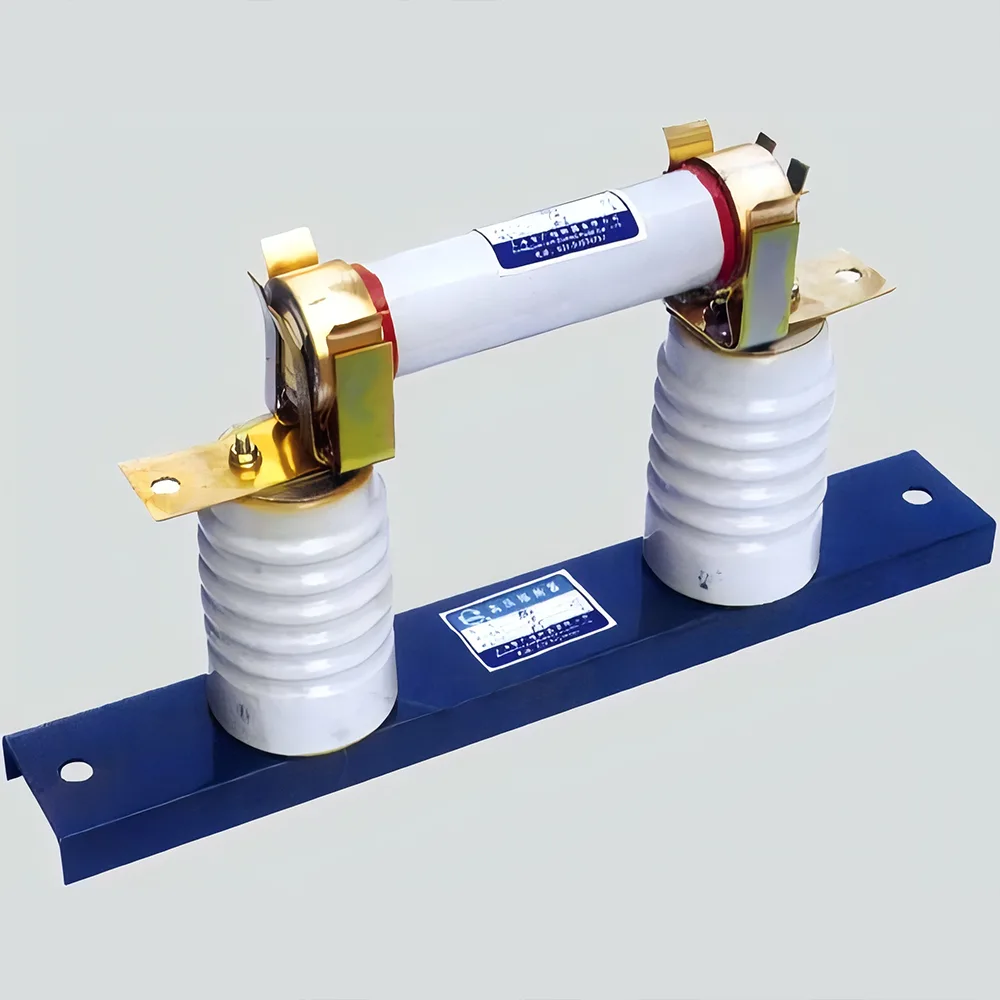
Outdoor open type. Primary equipment such as busbars, circuit breakers, disconnectors, transformers, etc. are exposed without enclosed enclosures.
Voltage level:
Covers 11kV to 800kV. Medium and low voltage (11 to 36kV) is the most commonly used, while high voltage and ultra-high voltage are also widely applied.
Safety clearance:
Requires a large air gap (e.g. approximately 1.5m for 145kV), and has a large overall footprint, about 2 to 3 times that of GIS.
Performance and Environmental Adaptability
Heat dissipation performance:
The open layout provides excellent heat dissipation, with no accumulation of heat in a sealed cavity, making it suitable for high current/high load operating conditions.
Environmental Sensitivity:
Concerned about dirt / salt fog / humidity: In coastal areas and industrial pollution zones, corona discharge and corrosion are likely to occur, and regular cleaning is necessary.
Affected by altitude / temperature / lightning strikes: In high-altitude areas, the gap needs to be increased, and extreme temperatures can affect the performance of the equipment.
Environmental friendliness:
Free of greenhouse gases such as SF₆, using only air, environmentally friendly, with no leakage risks.
Economic and Operation Characteristics
Cost: Initial investment is low, the equipment is simple, without sealing / gas systems, and the material and construction costs are low.
Installation period:
Construction is fast, commissioning is simple. Wiring can be done immediately after the foundation / framework installation, without the need for gas treatment or sealing tests.
Maintenance and Inspection:
High visibility: All components are exposed, allowing for direct visual inspection, infrared temperature measurement, and live cleaning.
High maintenance frequency: Insulators need to be cleaned regularly (every 1-2 years), corrosion checks, and fastening components should be inspected.
Good scalability: Modular design makes it easy to expand or modify. New intervals do not require a complete power outage.
Reliability:
In normal environments, the technology is mature and reliable, having undergone century-long verification. Faults are easy to locate and repairs can be carried out quickly.
In harsh environments (contamination, salt fog, animal intrusion), reliability decreases. Flashovers and grounding faults are prone to occur.
We use cookies to offer you a better browsing experience, analyze site traffic and personalize content. By using this site, you agree to our use of cookies. Privacy Policy