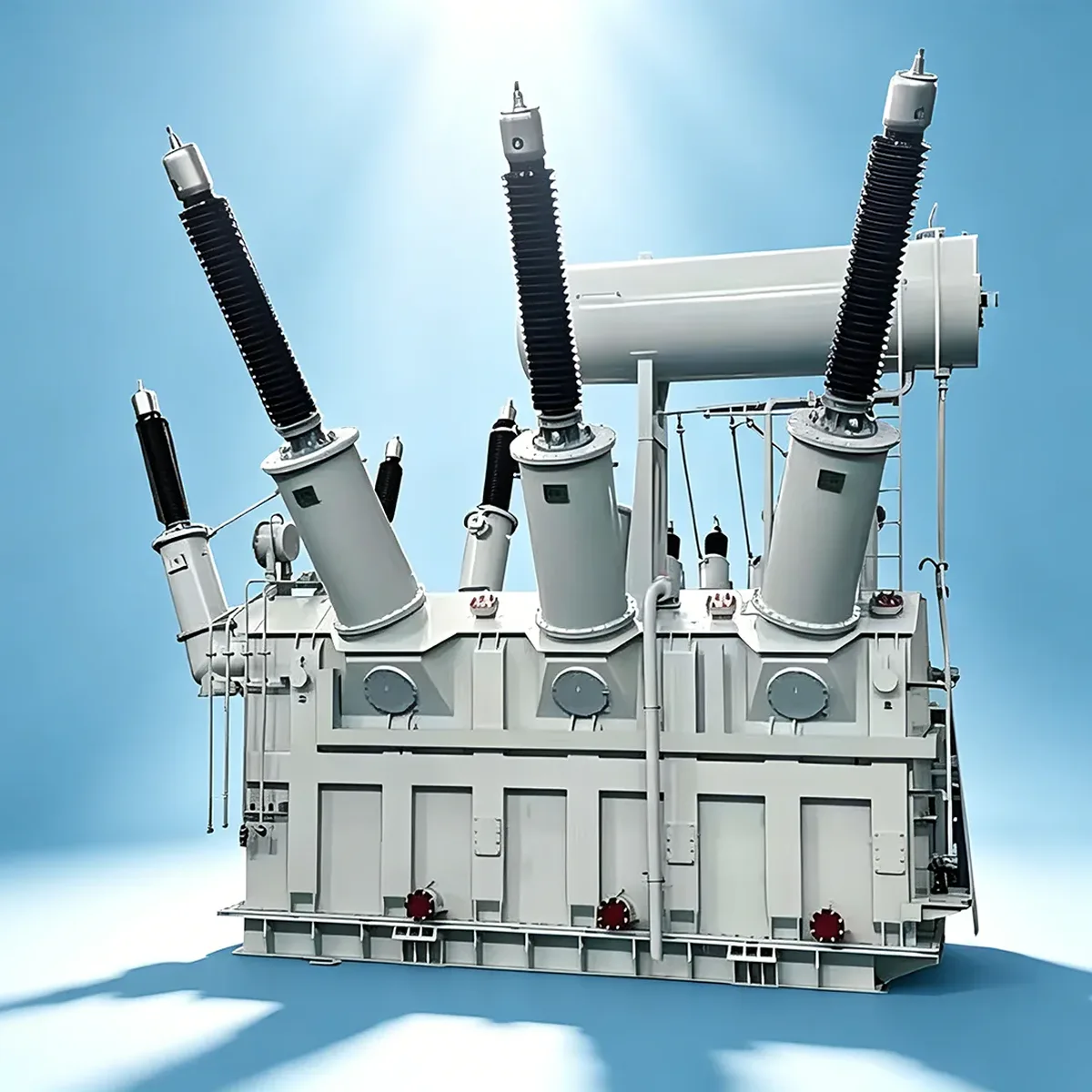
An AIS Substation (Air Insulated Substation) plays a vital role in modern power transmission and distribution systems by providing safe, stable, and efficient electrical energy conversion and control. As electricity networks become more complex, industries, utilities, and infrastructure projects require substation solutions that offer reliable performance, easier maintenance, and long-term operational safety.
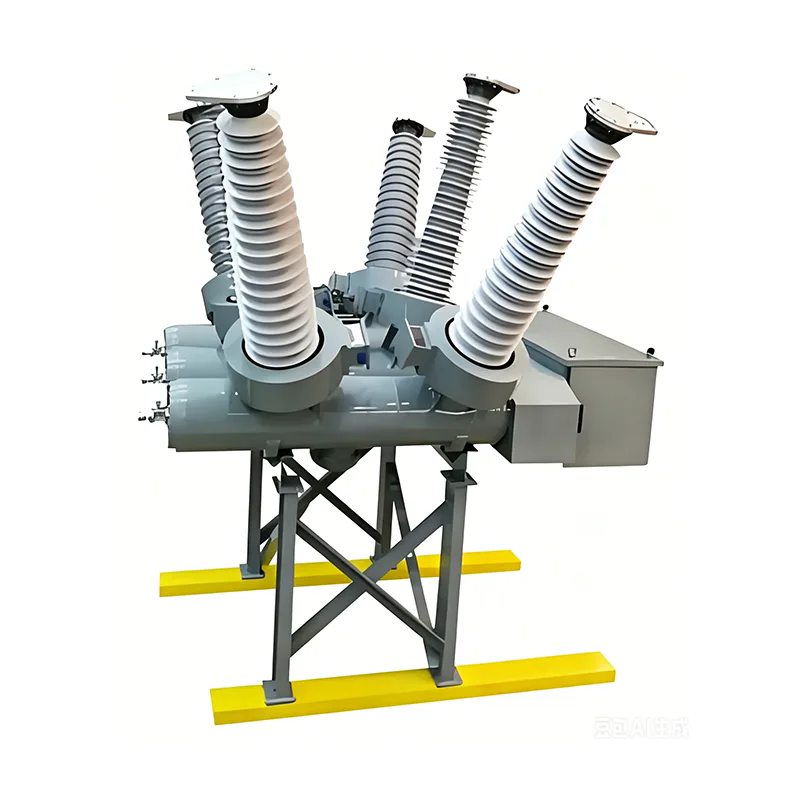
This article explains how an AIS Substation works, why it is widely used in power systems, what challenges customers commonly face during substation selection, and how advanced solutions from Huixing Zhongdian (Beijing) Electric Co., Ltd. help improve power infrastructure performance. By understanding the structure, advantages, applications, and maintenance requirements of AIS Substations, businesses can make better decisions for their electrical projects.
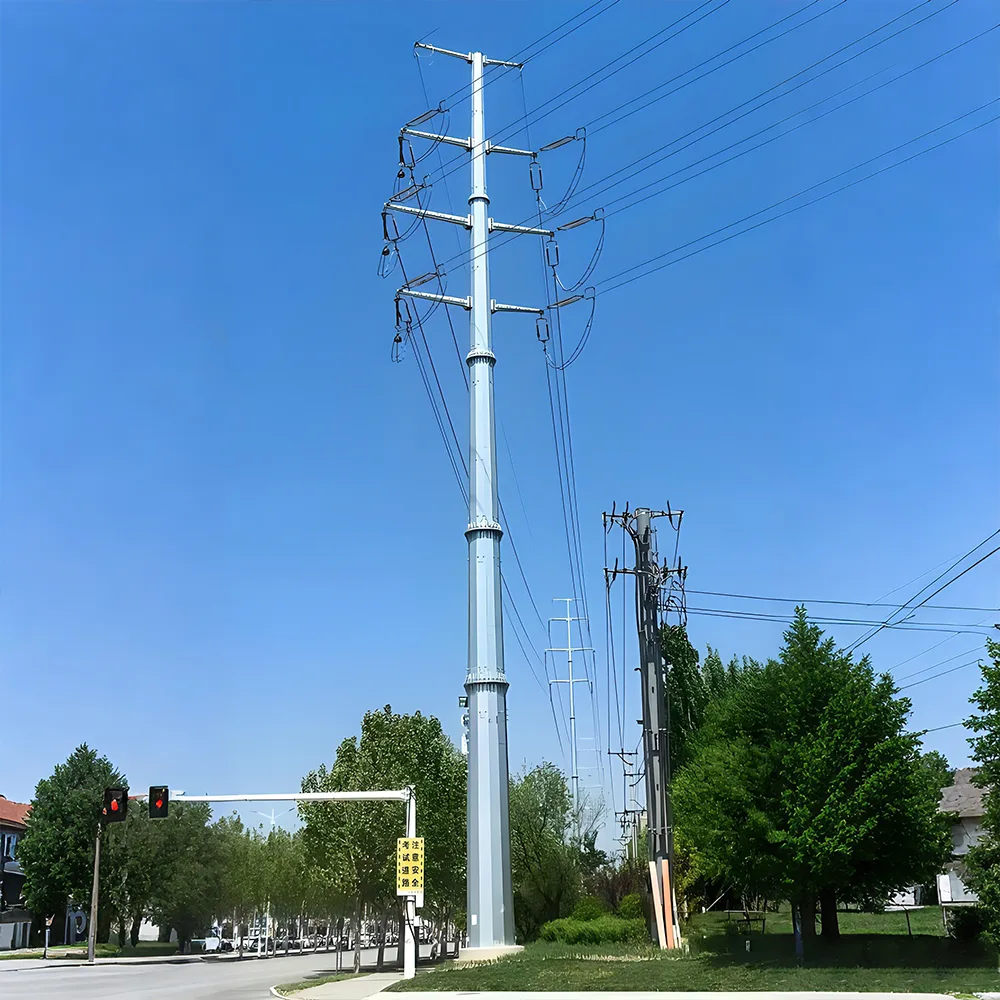
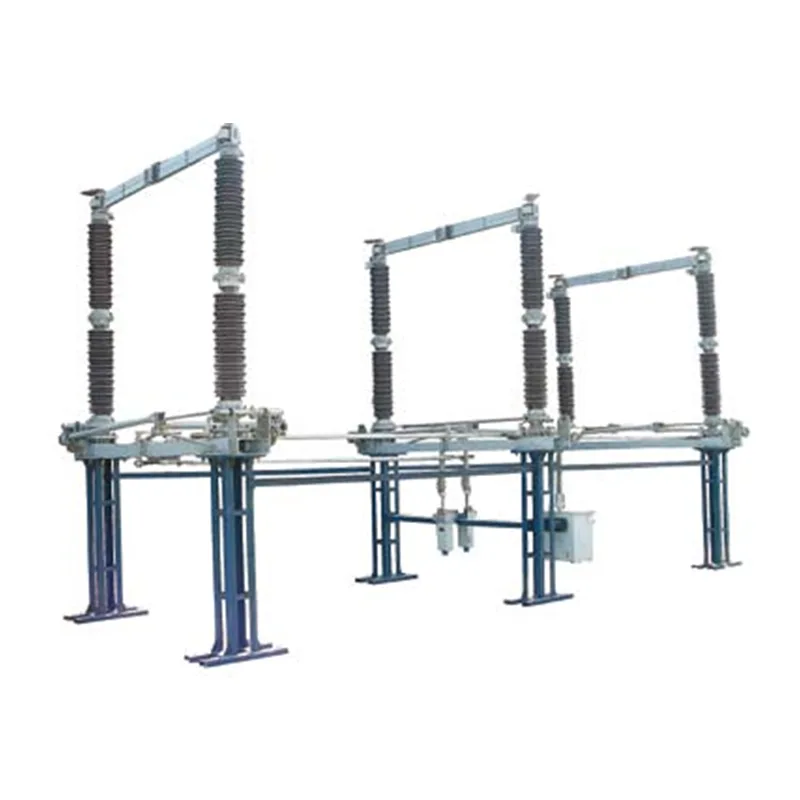
An AIS Substation, also known as an Air Insulated Substation, is an electrical facility that uses air as the primary insulation medium between high-voltage equipment and conductive components. It is designed to transform voltage levels, control power flow, protect electrical equipment, and ensure stable electricity delivery.
Unlike gas-insulated substations that rely on enclosed gas insulation technology, AIS Substations use open-air insulation structures. This design provides excellent visibility, straightforward equipment inspection, and convenient maintenance access, making AIS solutions a common choice for outdoor power distribution applications.
Modern AIS Substations are engineered to meet increasing demands for grid stability, energy efficiency, and operational safety. They are widely installed in utility networks, industrial facilities, renewable energy projects, commercial buildings, and transportation infrastructure.
An AIS Substation operates by receiving electrical power from a transmission network, adjusting voltage levels through transformers, and distributing electricity to different users or downstream systems.
The working process generally includes several key stages:
Through coordinated operation between electrical equipment, an AIS Substation ensures reliable power transmission while reducing risks caused by overloads, short circuits, and equipment failures.
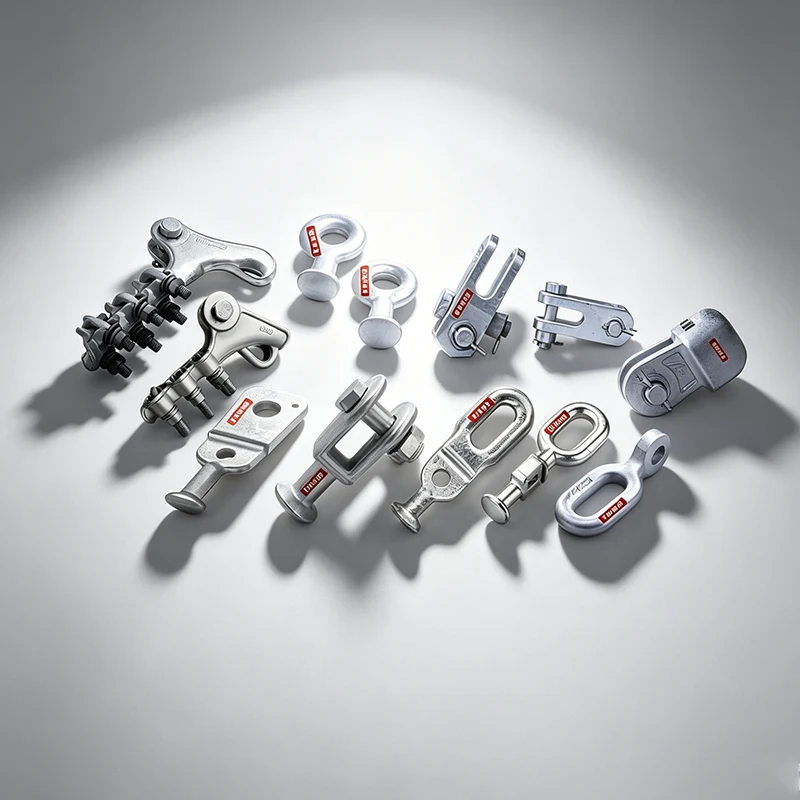
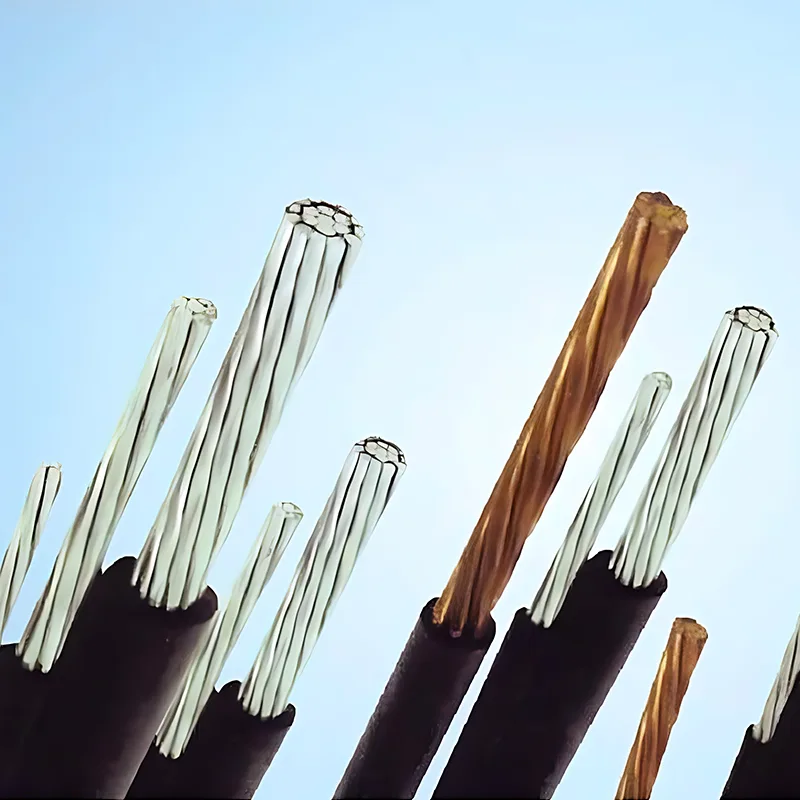
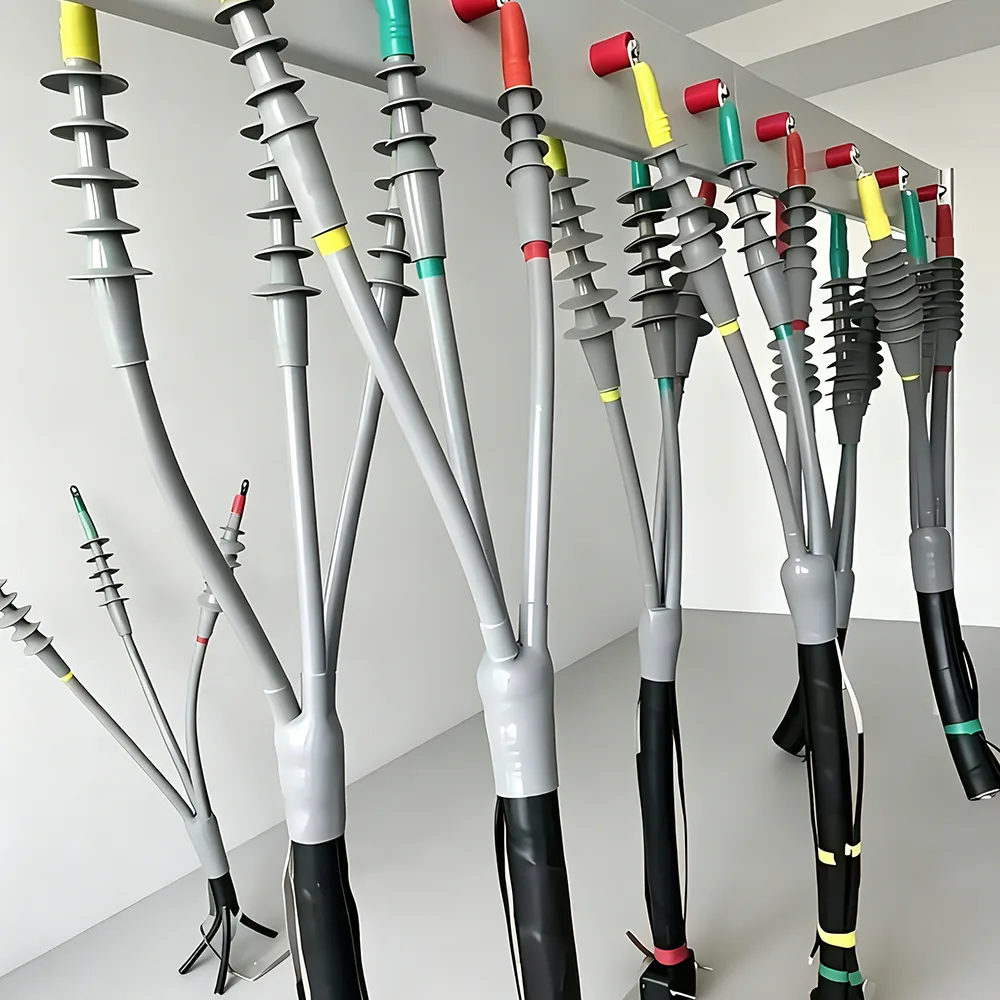
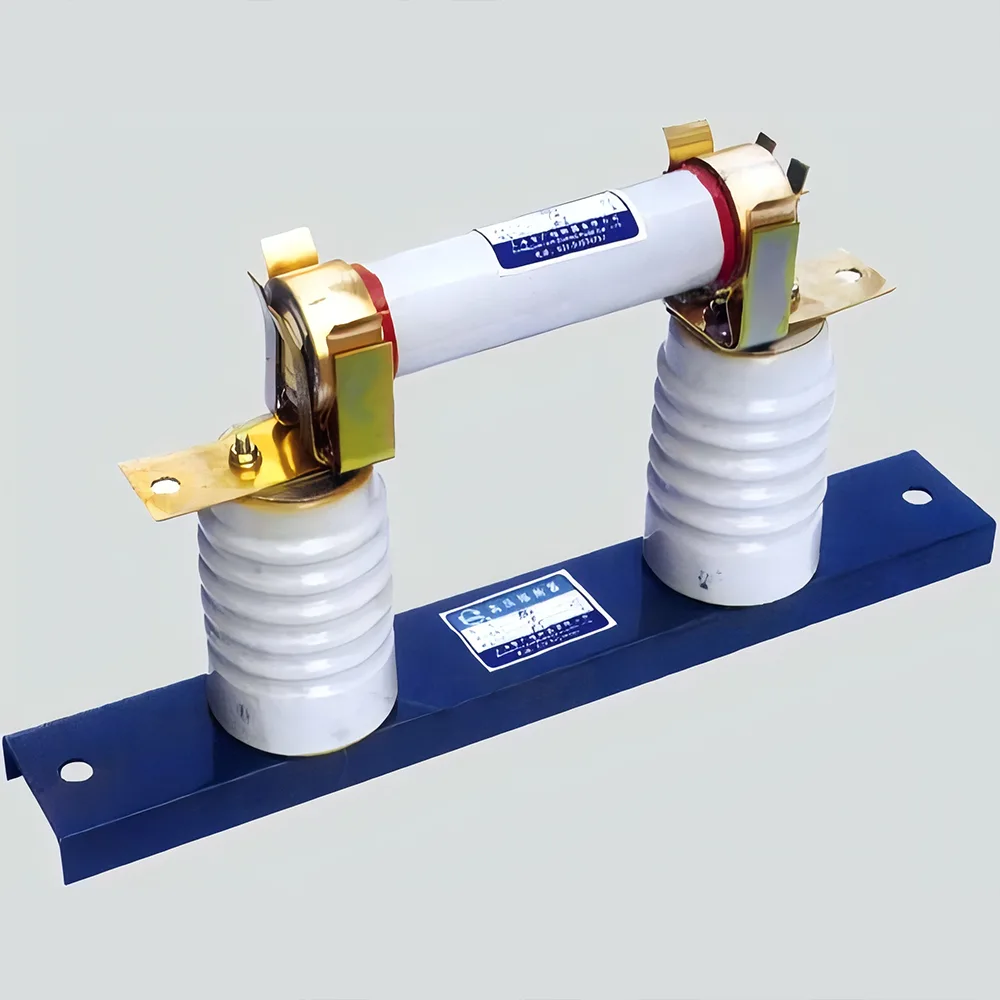
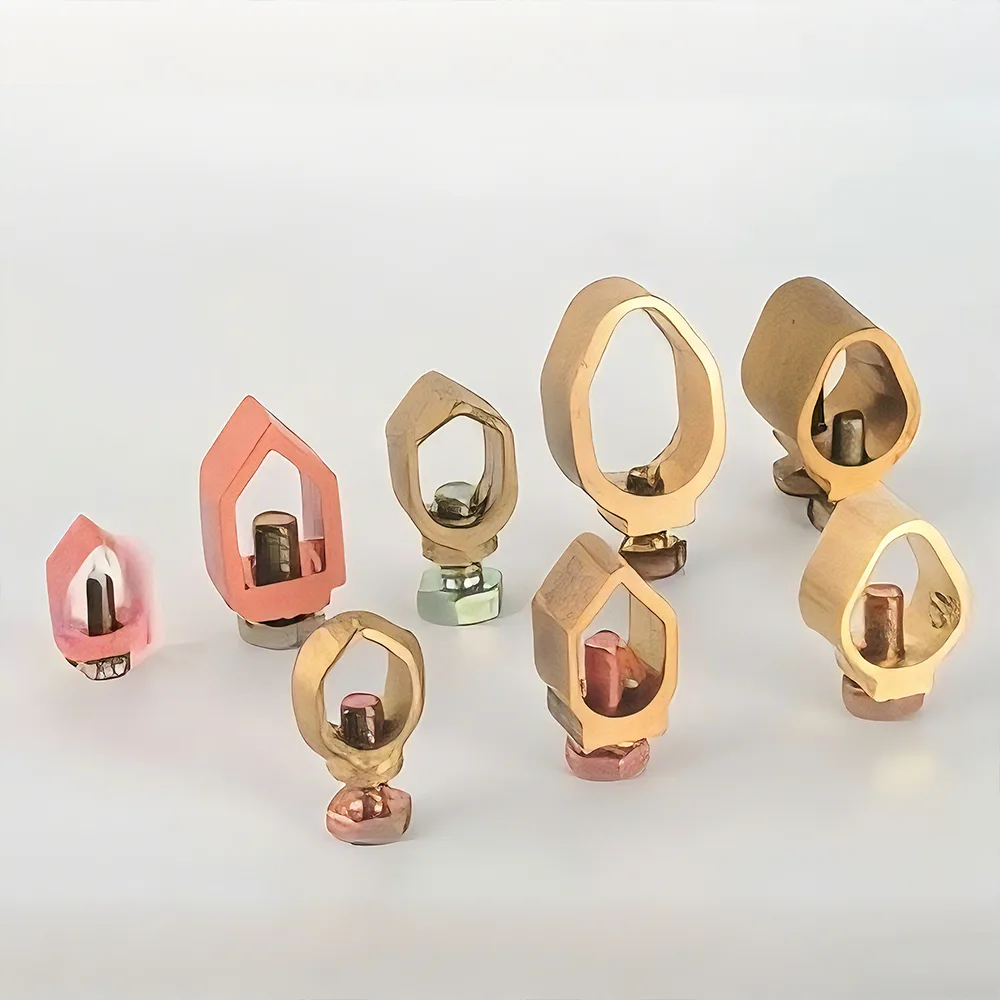
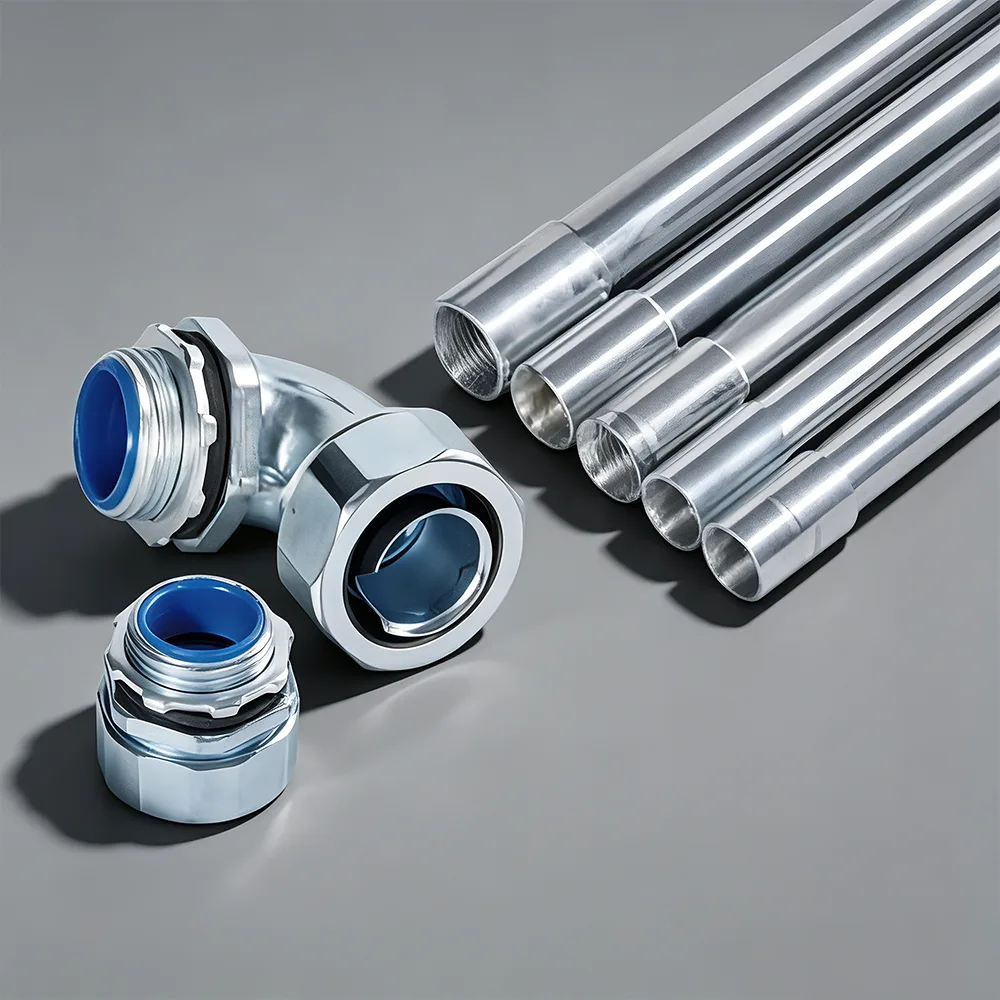
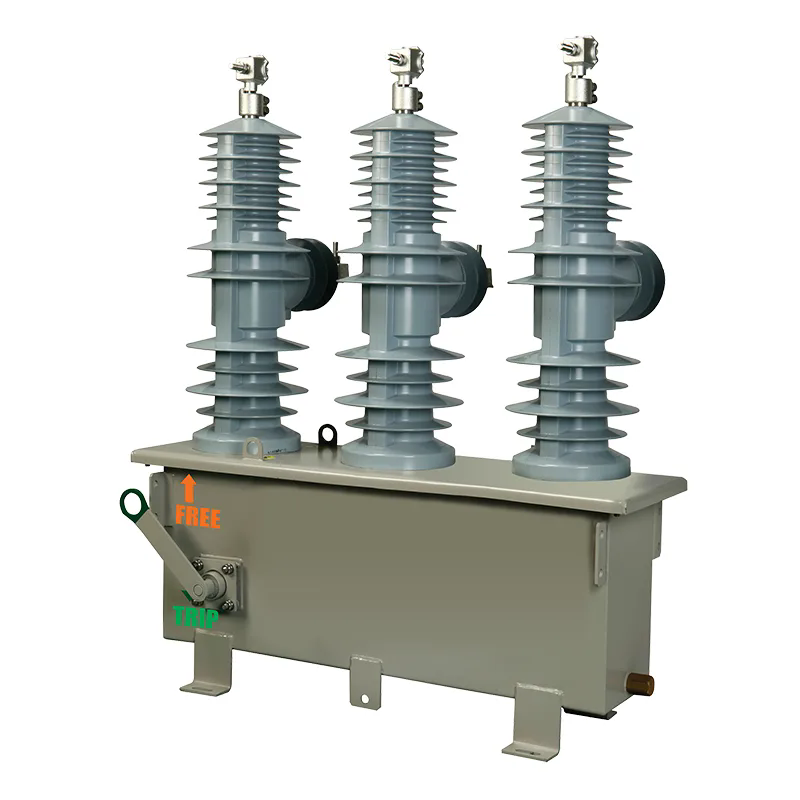
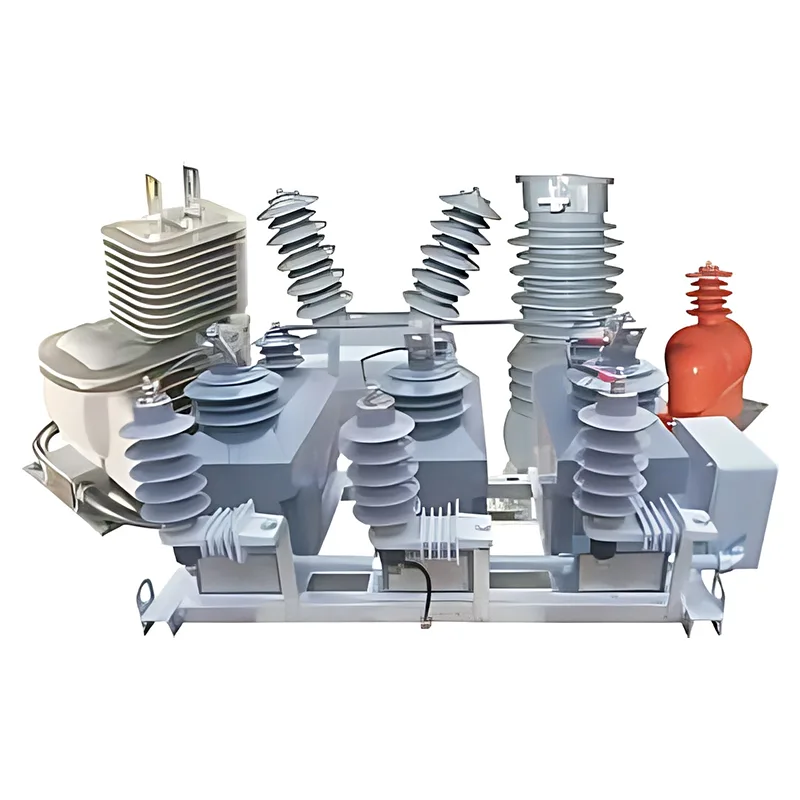
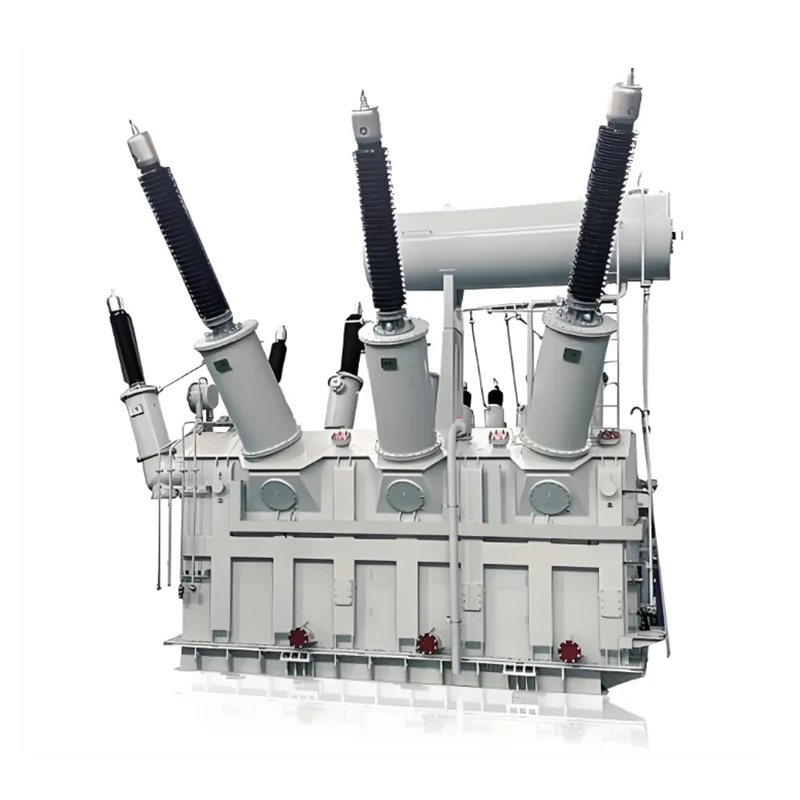
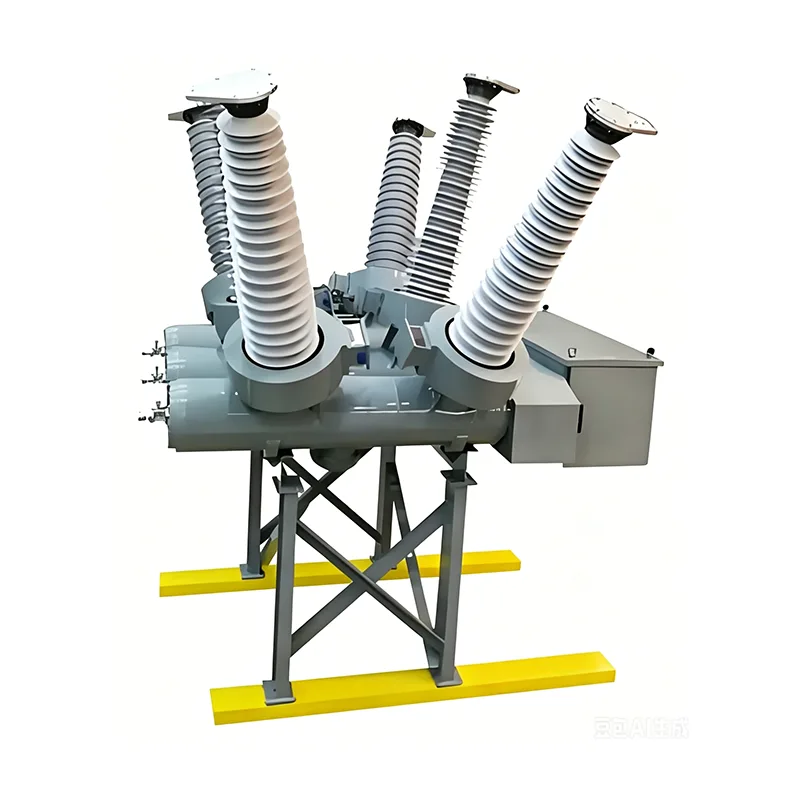
A complete AIS Substation consists of multiple electrical and mechanical systems that work together to maintain safe and stable operation.
The integration quality of these components directly affects substation safety, efficiency, and service life. Professional engineering and manufacturing experience are essential when selecting an AIS Substation supplier.
Many power projects choose AIS Substations because they provide a practical balance between performance, reliability, and investment cost.
For customers who need dependable power infrastructure with manageable maintenance requirements, AIS Substations remain an effective choice.
Electrical projects often face challenges such as unstable power supply, limited maintenance access, equipment safety concerns, and increasing electricity demand. AIS Substations provide solutions to these common problems.
By addressing these operational challenges, AIS Substations help organizations build more dependable electrical networks.
AIS Substations are widely applied across many industries because of their reliability and adaptability.
Whether used for utility-scale projects or industrial applications, AIS Substations provide stable electricity conversion and distribution capabilities.
Choosing the correct AIS Substation requires careful consideration of technical requirements, environmental conditions, and future development plans.
Huixing Zhongdian (Beijing) Electric Co., Ltd. focuses on providing professional electrical solutions designed to meet different project requirements. Through advanced technology and practical engineering experience, the company supports customers in building reliable power systems.
Regular maintenance is essential for ensuring continuous and safe operation of an AIS Substation. A proper maintenance strategy can extend equipment lifespan and prevent unexpected failures.
A proactive maintenance approach improves system availability and reduces long-term operating costs.
An AIS Substation uses air as insulation, while a GIS Substation uses gas insulation inside enclosed equipment. AIS solutions usually provide easier inspection and lower installation costs, while GIS designs are preferred where space is limited.
Yes. AIS Substations are commonly designed for outdoor applications and can operate reliably under various environmental conditions when properly engineered.
With proper design, installation, and maintenance, AIS Substations can provide reliable service for many years and support long-term power system operation.
A qualified supplier ensures proper equipment design, manufacturing quality, system compatibility, and technical support, which directly influence project reliability.
Yes. AIS Substations can be customized according to voltage levels, capacity requirements, installation environments, and customer-specific engineering needs.
An AIS Substation is a dependable solution for modern power distribution systems, offering reliable performance, convenient maintenance, flexible design, and long-term operational value. As electricity requirements continue to grow, choosing the right substation technology becomes increasingly important for improving energy security and system efficiency.
Huixing Zhongdian (Beijing) Electric Co., Ltd. provides professional AIS Substation solutions with a focus on quality, reliability, and customer requirements. For more information about customized AIS Substation products and electrical solutions, please contact us today to discuss your project needs.