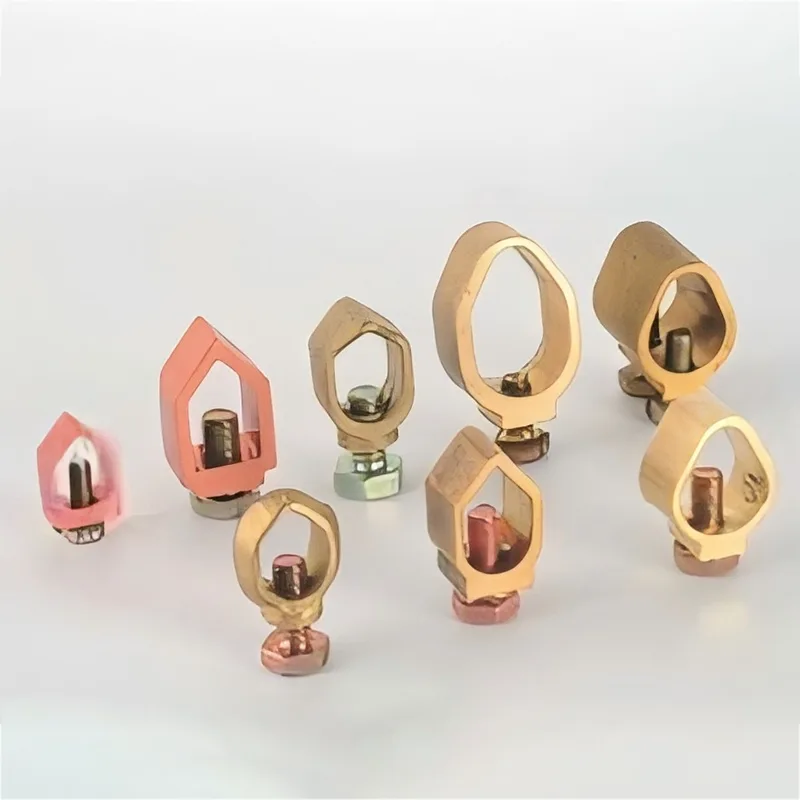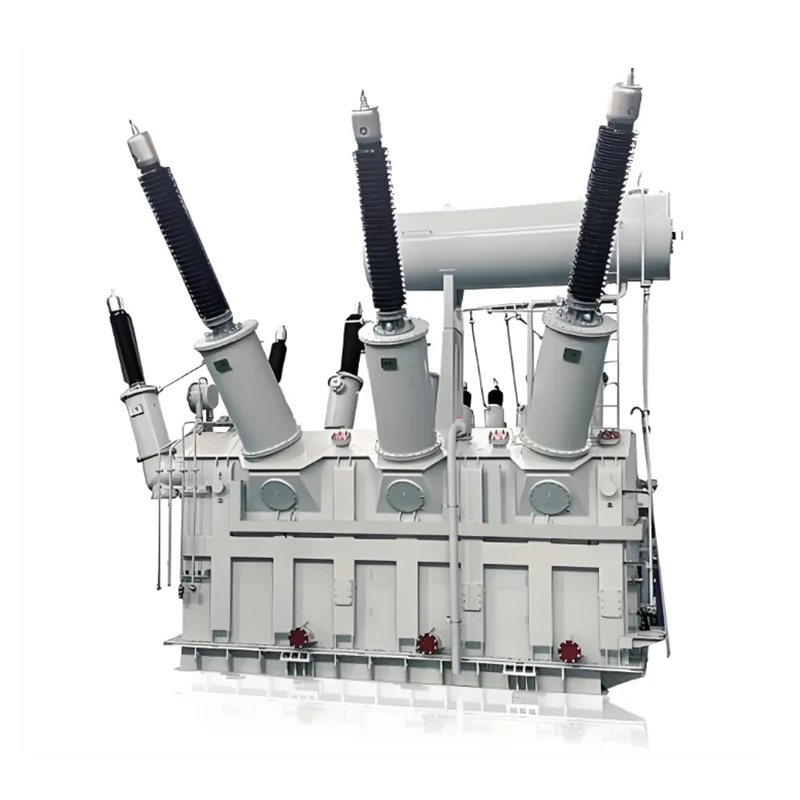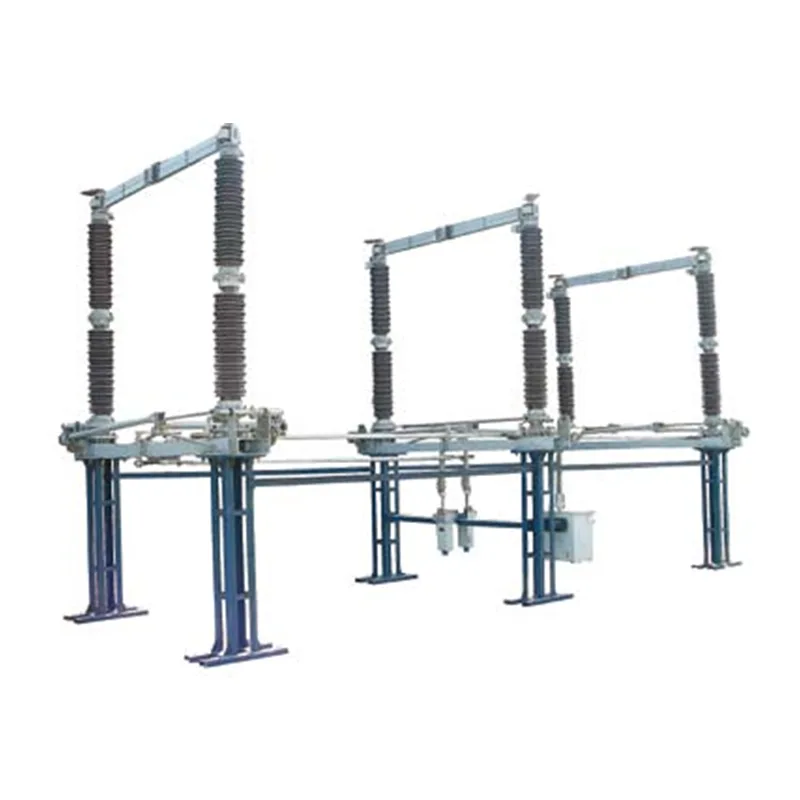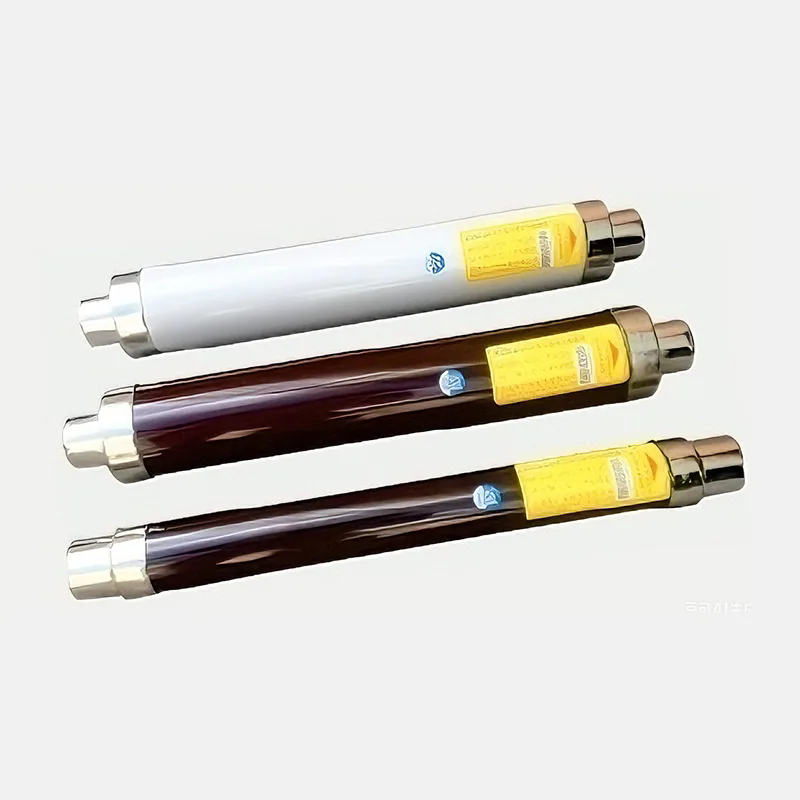
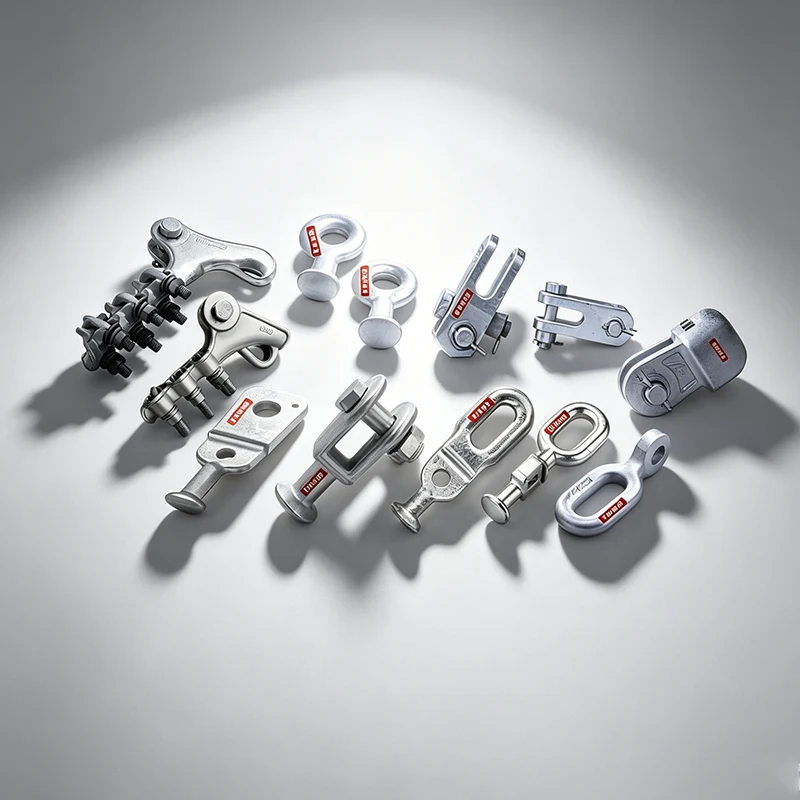
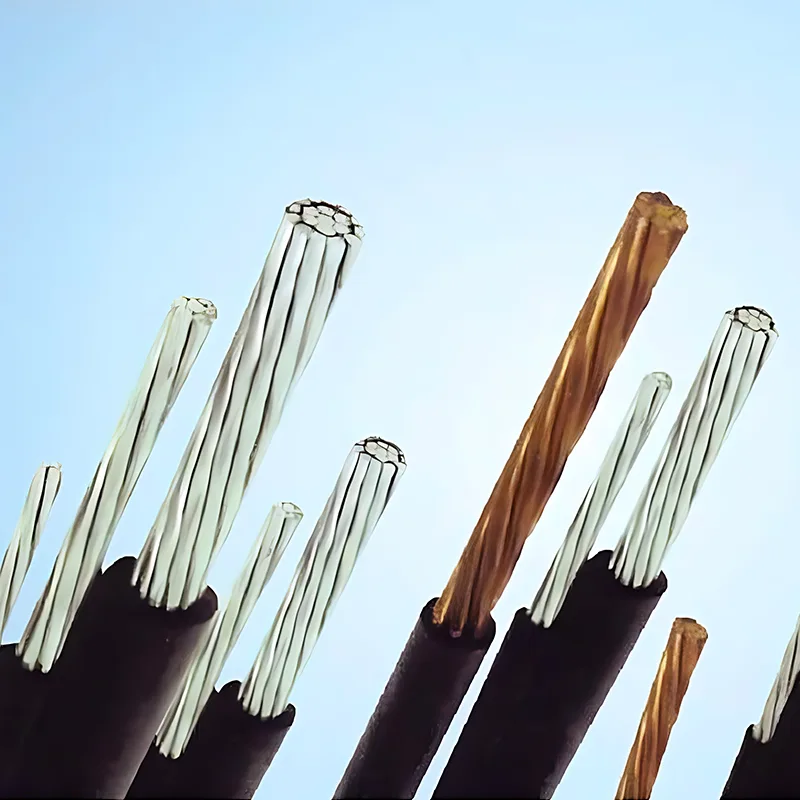
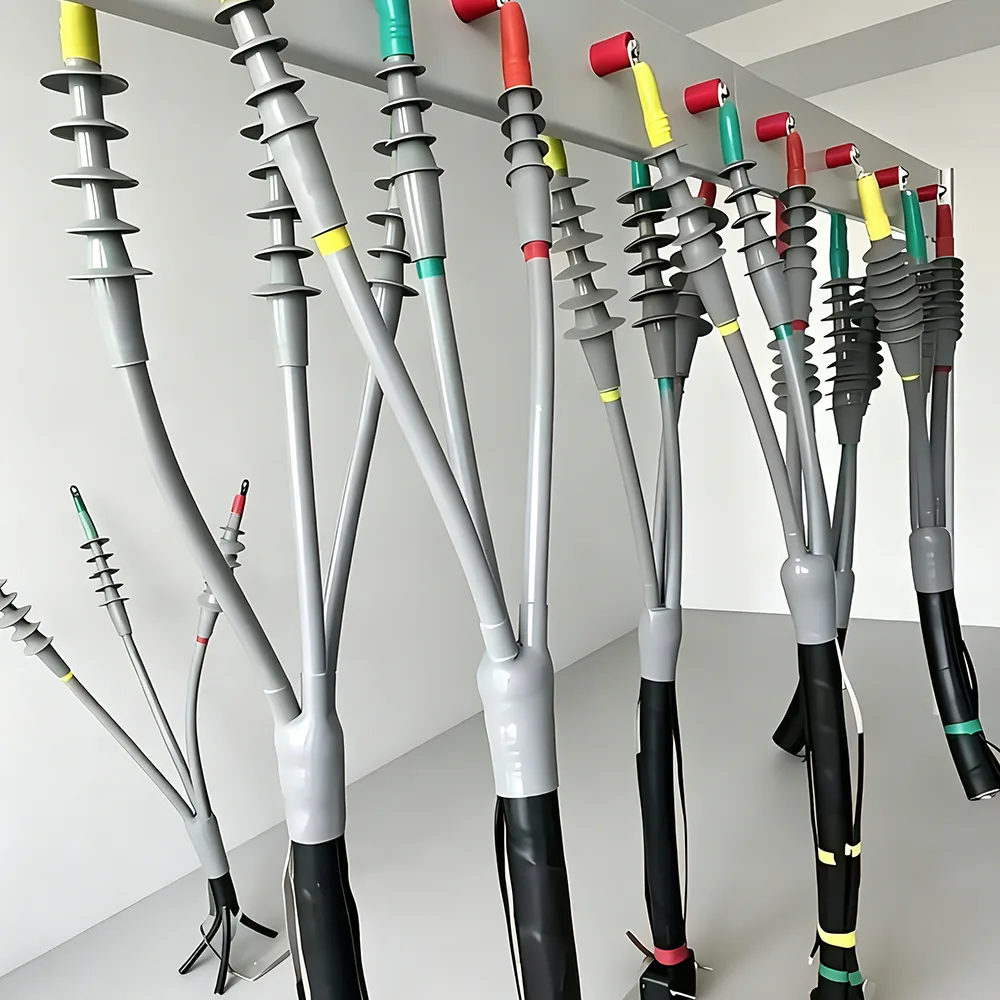
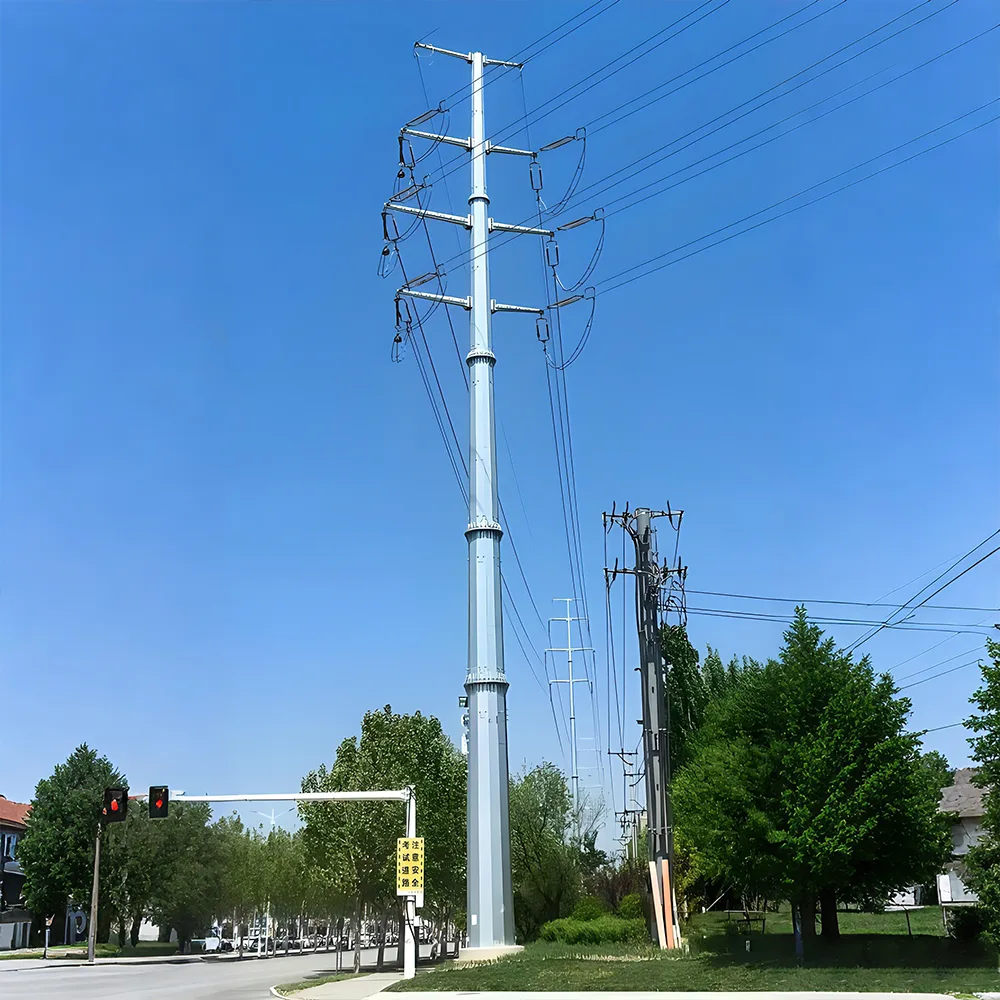
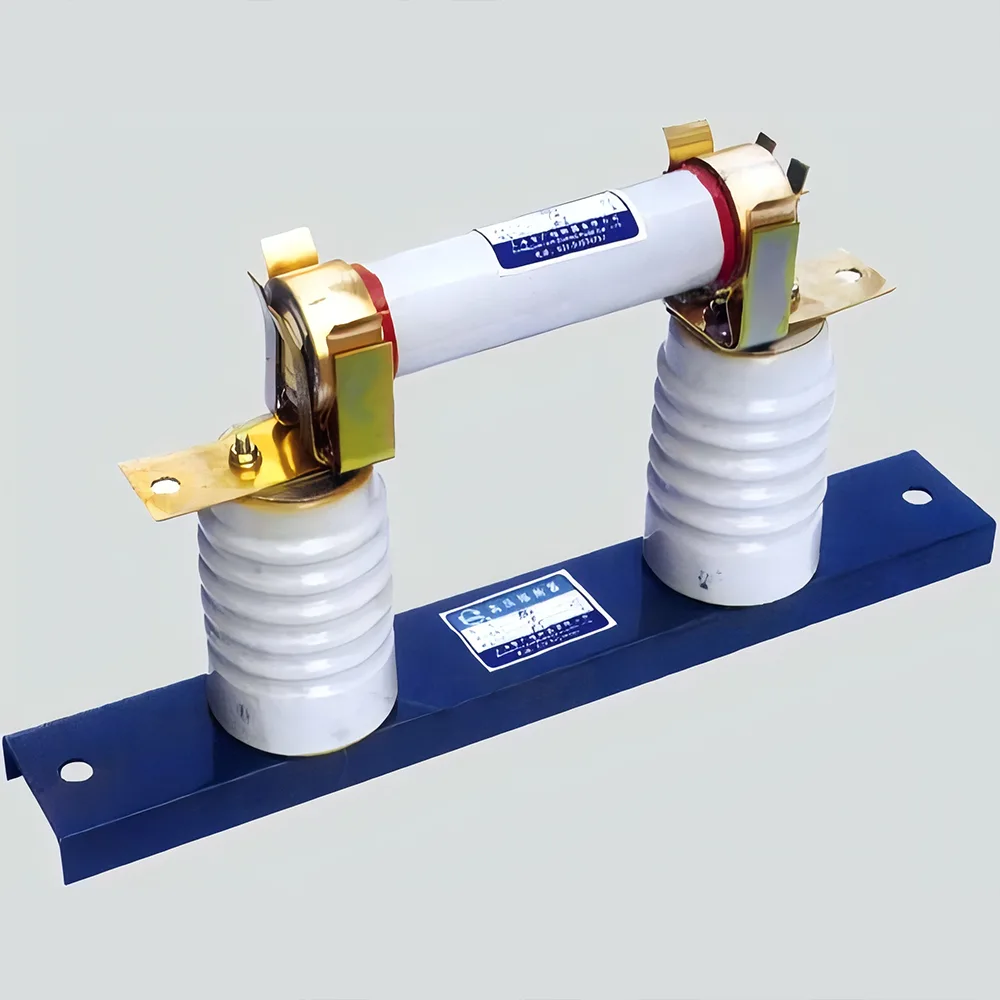
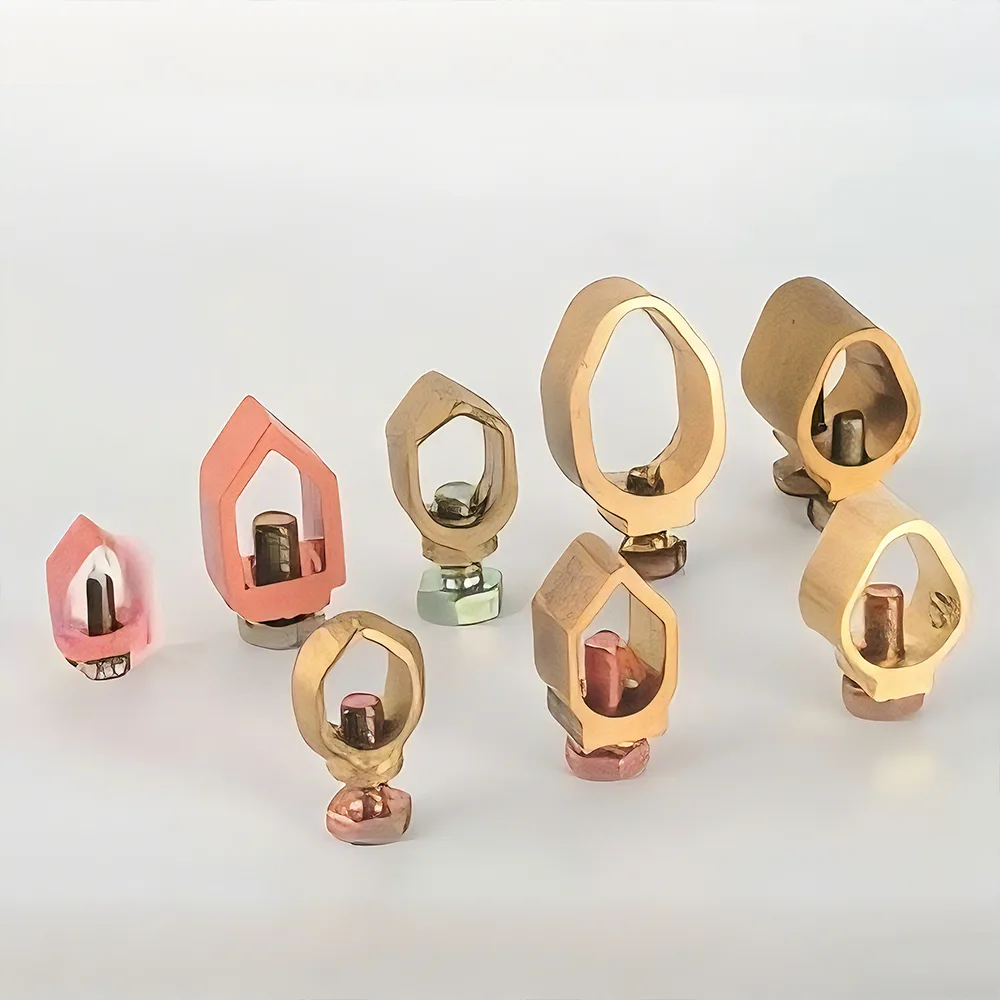
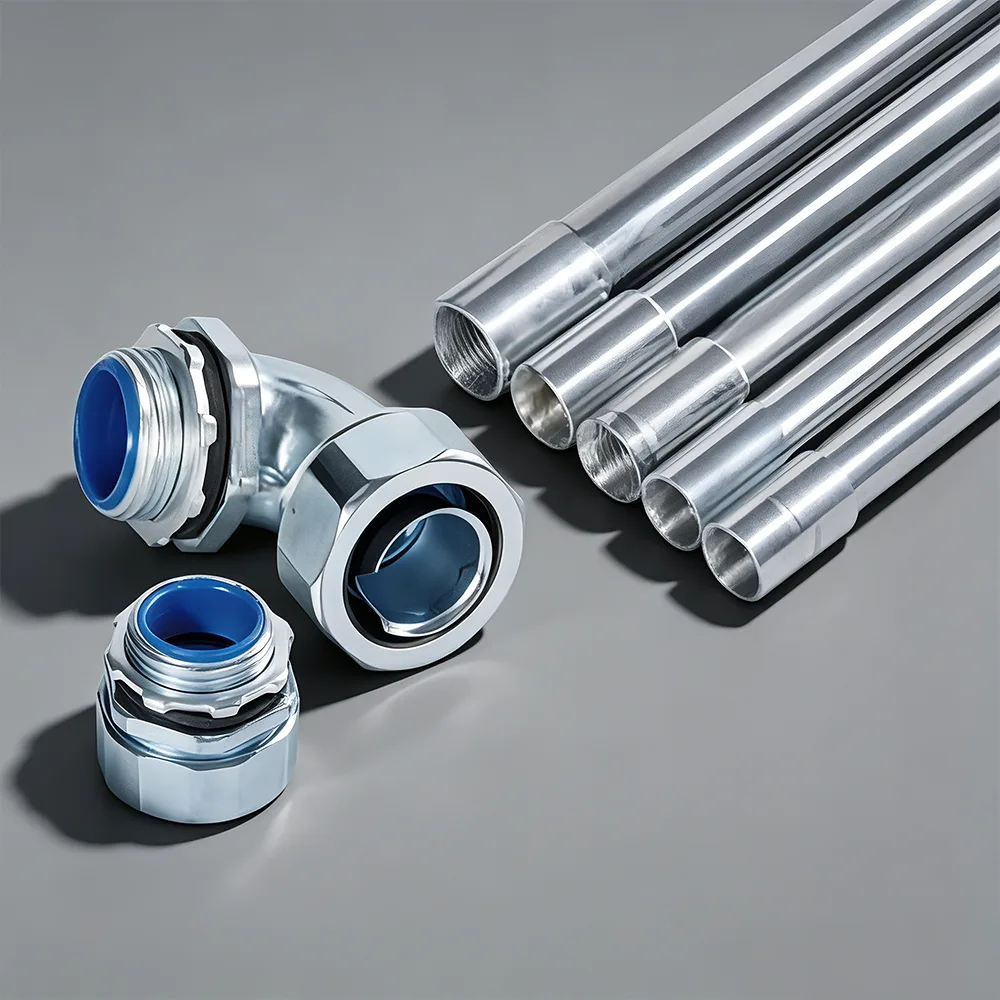

Huixing provides professionally engineered Substation Connector Fittings for power infrastructure projects where secure mechanical connections, stable electrical performance, and long-term corrosion resistance are essential. Designed for equipment interconnection, busbar installation, conductor splicing, and structural assembly, these fittings help power engineers build dependable substation systems for demanding operating environments.
Article Summary: Substation connector fittings are small but critical components in power substations. They connect conductors, busbars, insulators, structural members, and electrical equipment while managing mechanical loads, vibration, thermal movement, and environmental exposure. This guide explains their main types, applications, material and surface-treatment considerations, quality requirements, and purchasing factors for utility, EPC, and electrical engineering projects.
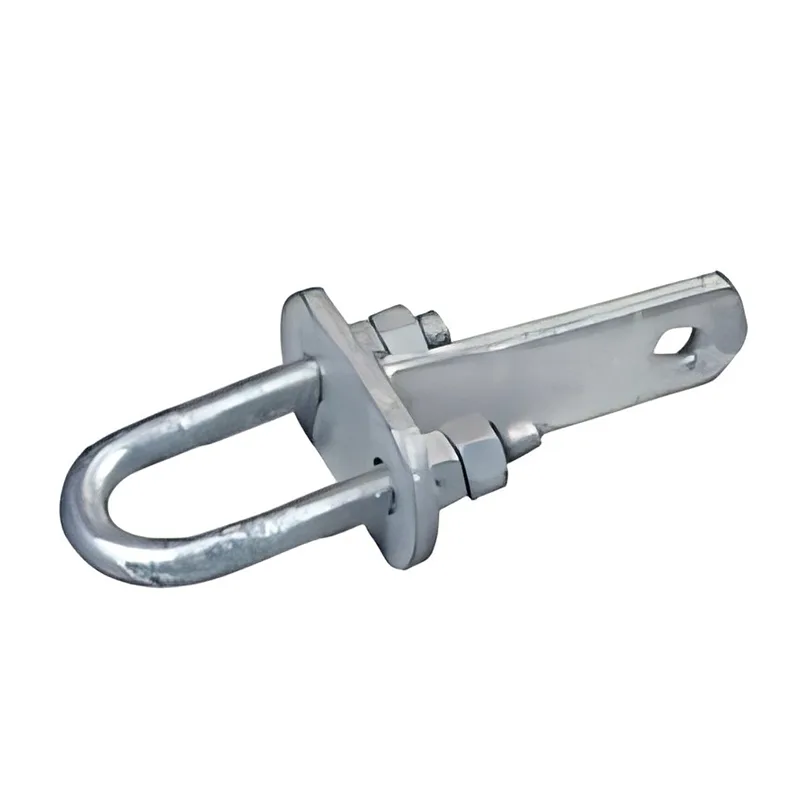
Table of Contents
- Why Are Substation Connector Fittings Important?
- What Types of Connector Fittings Are Used in Substations?
- Where Are Substation Connector Fittings Applied?
- Which Materials and Surface Treatments Matter?
- How Should You Select the Right Fittings?
- Why Consider Huixing for Substation Connection Components?
- Frequently Asked Questions
Why Are Substation Connector Fittings Important?
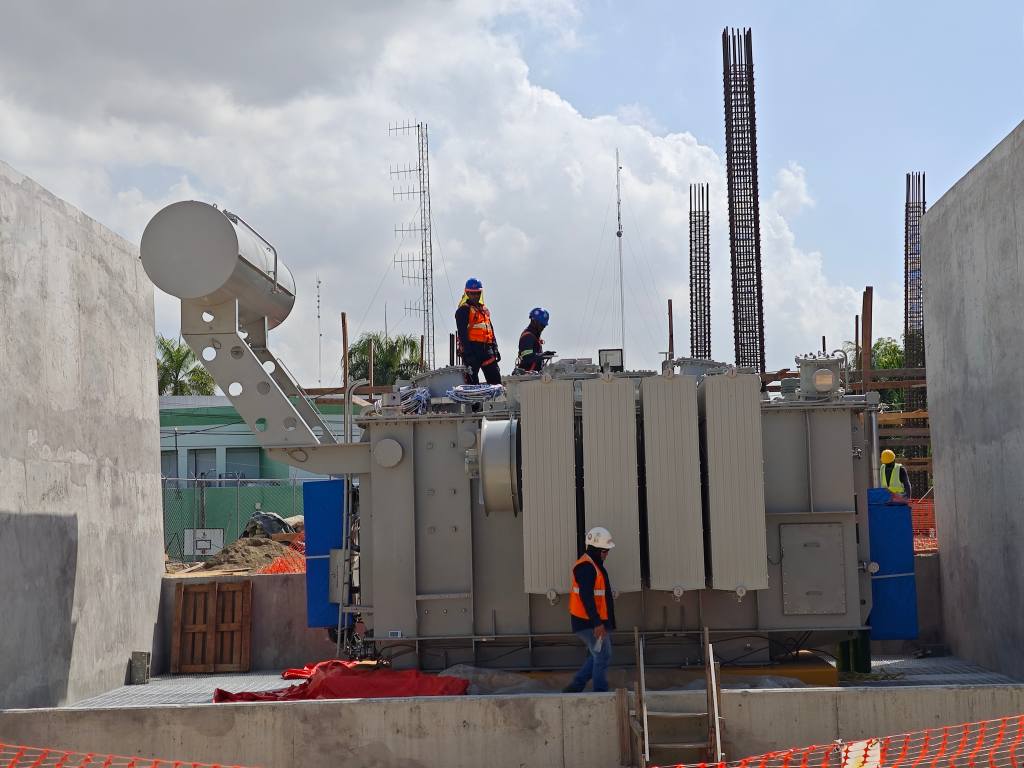
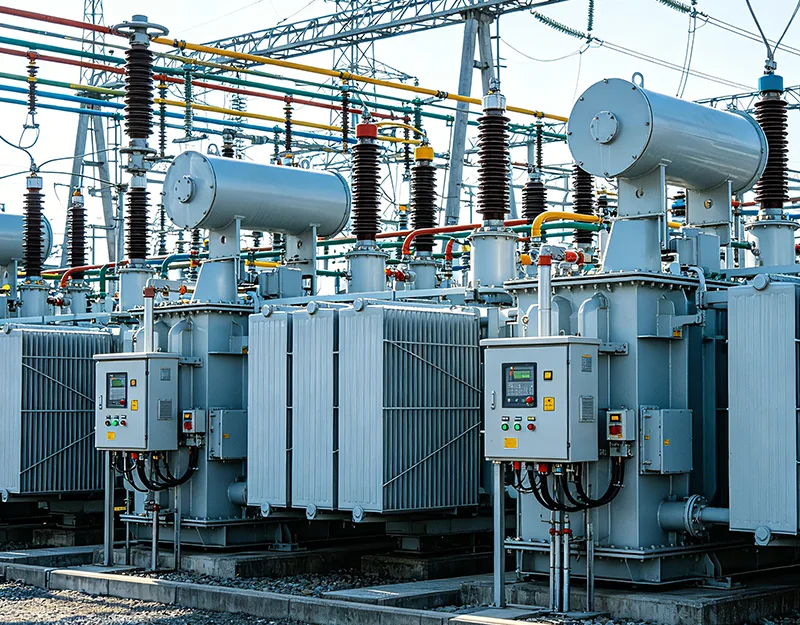
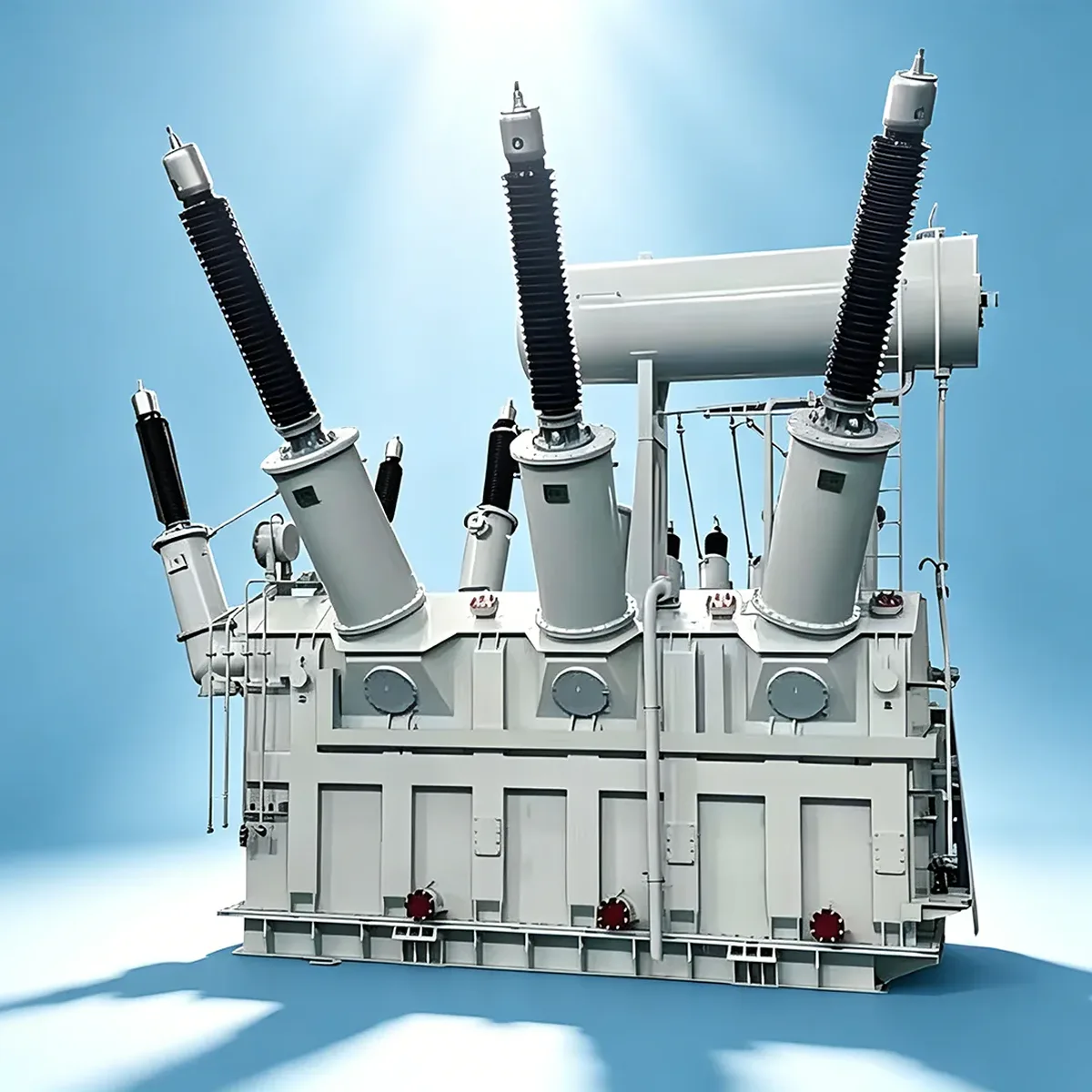
Modern substations depend on hundreds of mechanical and electrical connection points. A transformer, busbar, circuit breaker, disconnector, insulator string, conductor, or supporting structure cannot operate as an integrated system without properly selected connection hardware.
Substation Connector Fittings provide the interface between these components. Depending on their design, they can transfer mechanical loads, secure conductors, maintain electrical continuity, compensate for movement, or prevent accidental loosening.
A reliable fitting needs to perform consistently under conditions such as:
- Continuous electrical loading and temperature changes
- Wind, vibration, and mechanical stress
- Thermal expansion and contraction
- Outdoor moisture, oxidation, and industrial pollution
- Short-circuit mechanical forces and abnormal operating conditions
- Long-term installation and maintenance requirements
For this reason, fitting selection should not be based only on dimensions or purchase price. Mechanical strength, contact reliability, corrosion resistance, dimensional accuracy, installation compatibility, and expected service conditions should all be evaluated together.
What Types of Connector Fittings Are Used in Substations?
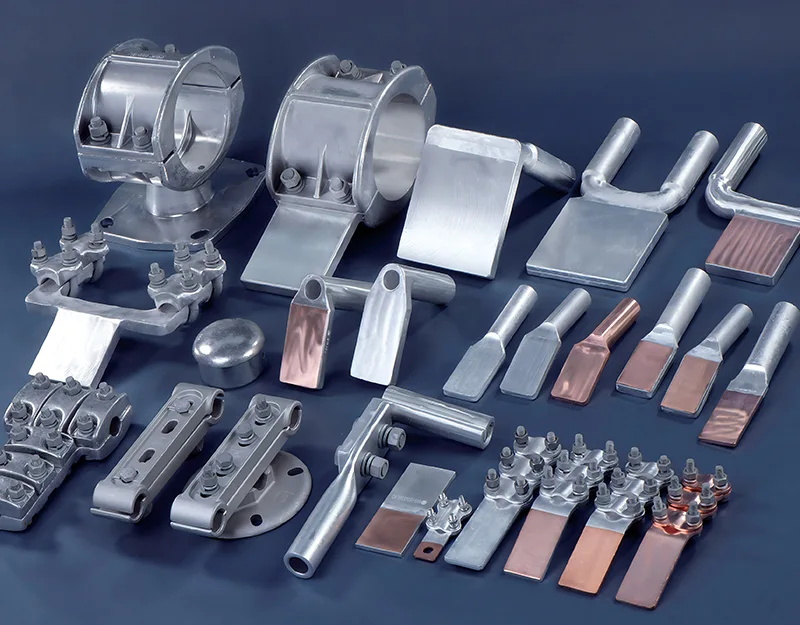
Different connection points require different hardware structures. A well-designed product range normally includes components for equipment connections, busbar fastening, insulator assembly, conductor splicing, and locking.
| Fitting Type | Primary Function | Typical Application | Key Requirement |
|---|---|---|---|
| Links and Plates | Mechanical connection | Equipment and structural assembly | High strength and dimensional accuracy |
| U-Bolts and U-Type Screws | Clamping and fastening | Busbars and structural members | Stable clamping force |
| Ball-and-Socket Fittings | Insulator connection | Insulator string assembly | Flexible movement and load capacity |
| Clevises and Pins | Joint connection and locking | Insulator and hardware assemblies | Secure mechanical engagement |
| Splicing Connectors | Conductor connection | Conductor joining and repair | Reliable electrical contact |
| Expansion Joints | Thermal movement compensation | Busbar systems | Controlled flexibility |
| Copper-Aluminum Transition Fittings | Dissimilar-metal connection | Copper-to-aluminum interfaces | Galvanic corrosion control |
This classification makes procurement easier because engineers can match the fitting structure with the actual connection function instead of treating all substation hardware as interchangeable.
Where Are Substation Connector Fittings Applied?
Equipment Interconnection
Connector components can be used to establish mechanical or conductive connections between major substation equipment. Adjustable connection structures can also accommodate different installation angles and spacing requirements, making them useful when equipment layouts vary from project to project.
Busbar Installation
Busbars must remain accurately positioned while withstanding electrical loads, vibration, wind forces, and temperature-related movement. U-bolts, clamps, plates, supports, and expansion-related components help maintain stable positioning throughout the operating cycle.
Insulator String Assembly
Ball-and-socket fittings, clevises, pins, and related hardware are commonly used when connecting insulators to conductors or supporting structures. Their mechanical design allows the assembly to accommodate movement while maintaining a secure connection.
Conductor Splicing and Transition Connections
Splicing connectors and transition fittings are particularly important when conductors must be joined or when copper and aluminum conductors meet. Properly engineered transition components can help address differences between dissimilar metals and reduce the risk of connection degradation.
Structural Fixing and Maintenance
Connector fittings also support the installation and maintenance of substation steelwork and electrical assemblies. Standardized dimensions can simplify replacement work, reduce installation time, and help maintenance teams restore equipment more efficiently.
Which Materials and Surface Treatments Matter?
Material selection directly affects the service life and mechanical performance of substation connection hardware. Steel is commonly selected where high mechanical strength is required, while copper, aluminum, and specialized alloys can be used where electrical conductivity or weight reduction is a priority.
For outdoor installations, surface protection is equally important. Huixing's product information highlights hot-dip galvanizing as a key treatment for improving corrosion resistance. A uniform zinc coating helps protect exposed steel surfaces against oxidation and rust, particularly in outdoor environments.
Important material and manufacturing considerations include:
- Mechanical strength: The fitting should withstand the expected tensile, shear, and loading forces.
- Dimensional accuracy: Accurate dimensions help prevent installation problems and connection misalignment.
- Electrical performance: Conductive connection components should provide stable contact with appropriate contact resistance.
- Corrosion protection: Surface treatments should match the site's humidity, pollution, salt exposure, and outdoor conditions.
- Thermal compatibility: Components should accommodate expected temperature changes and thermal movement.
- Manufacturing consistency: Consistent production quality is essential when fittings are purchased in large quantities for the same project.
How Should You Select the Right Fittings?
Choosing the right connection hardware starts with the actual engineering requirements rather than the product name alone. Procurement teams and electrical engineers should review the complete connection environment before confirming specifications.
1. Confirm the Connection Function
Determine whether the component is required for equipment connection, conductor splicing, busbar support, structural fastening, insulator assembly, or thermal expansion compensation.
2. Check Dimensions and Compatibility
Connection dimensions, bolt arrangements, conductor sizes, installation angles, and mounting interfaces should match the existing or planned equipment. Dimensional compatibility reduces modification work during installation.
3. Evaluate the Operating Environment
For outdoor substations, corrosion resistance deserves particular attention. Coastal, humid, industrial, and heavily polluted environments may require enhanced surface protection and carefully selected materials.
4. Consider Mechanical and Electrical Loads
The fitting must be capable of handling the expected mechanical forces while maintaining dependable electrical performance where conductivity is part of its function.
5. Review Quality Control and Supply Capability
For large infrastructure projects, consistent batches and reliable delivery are just as important as individual product performance. Buyers should evaluate raw material control, manufacturing accuracy, inspection procedures, packaging, and production capacity before placing bulk orders.
Why Consider Huixing for Substation Connection Components?
Huixing positions its substation connection products around practical power engineering requirements, including mechanical strength, corrosion resistance, precise fitting, and dependable long-term operation. According to its product information, the fittings are manufactured from steel and protected through hot-dip galvanizing, while production incorporates quality checks from raw material inspection through finished-product testing.
The company also provides a broader range of substation fittings, supporting applications that include busbar installation, equipment connection, insulator assembly, conductor connection, and structural fastening. This broader product range can be useful for projects that require coordinated procurement rather than sourcing every component separately.
For international buyers, a capable China manufacturer and supplier should be able to provide consistent specifications, customization support, bulk-order coordination, and responsive technical communication. These factors can directly influence project scheduling and total procurement costs.
When evaluating a supplier, it is useful to request drawings, material information, surface-treatment details, applicable standards, inspection documentation, packaging specifications, and samples where necessary. This creates a clearer technical basis for comparing suppliers and reducing purchasing risk.
Frequently Asked Questions
What are substation connector fittings used for?
They are used to establish mechanical and electrical connections within substations. Common applications include equipment interconnection, busbar fastening, insulator assembly, conductor splicing, structural fixing, and thermal movement compensation.
Why is hot-dip galvanizing important for substation fittings?
Hot-dip galvanizing provides a protective zinc coating over steel surfaces. It helps reduce oxidation and corrosion, making galvanized fittings particularly suitable for outdoor power infrastructure exposed to moisture and changing weather conditions.
Can connector fittings be used with different metals?
Yes, specialized transition fittings can be designed for connections between dissimilar metals such as copper and aluminum. The appropriate design helps address the different material characteristics and reduce the risk of galvanic corrosion at the connection.
How do I choose the correct fitting for a substation project?
Start with the connection function, conductor or equipment dimensions, mechanical loads, electrical requirements, environmental conditions, surface treatment, and applicable project standards. Supplier drawings and technical specifications should be reviewed before final selection.
Are customized substation connector fittings available?
Customization may be available depending on the manufacturer and project requirements. Buyers should provide connection dimensions, drawings, material preferences, operating conditions, required quantities, and applicable technical standards when requesting a customized solution.
Conclusion
Reliable connection hardware is fundamental to safe and stable substation operation. From equipment interconnection and busbar fastening to conductor splicing and insulator assembly, properly engineered fittings help maintain mechanical integrity and dependable electrical connections over long operating periods. If you are sourcing high-quality fittings for a new substation, grid upgrade, maintenance project, or bulk power infrastructure application, contact us at Huixing to discuss your technical requirements, product specifications, customization needs, and procurement plans.