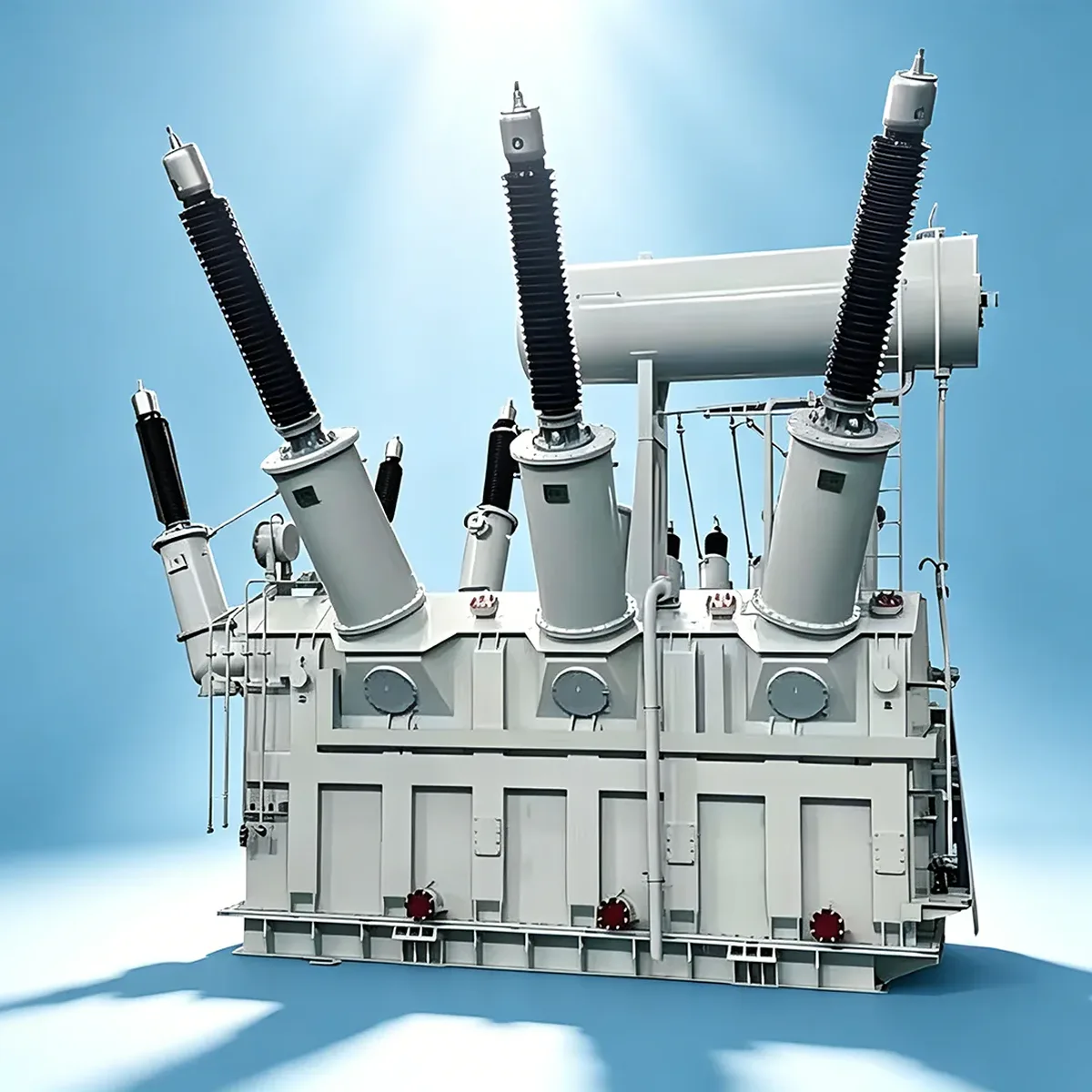
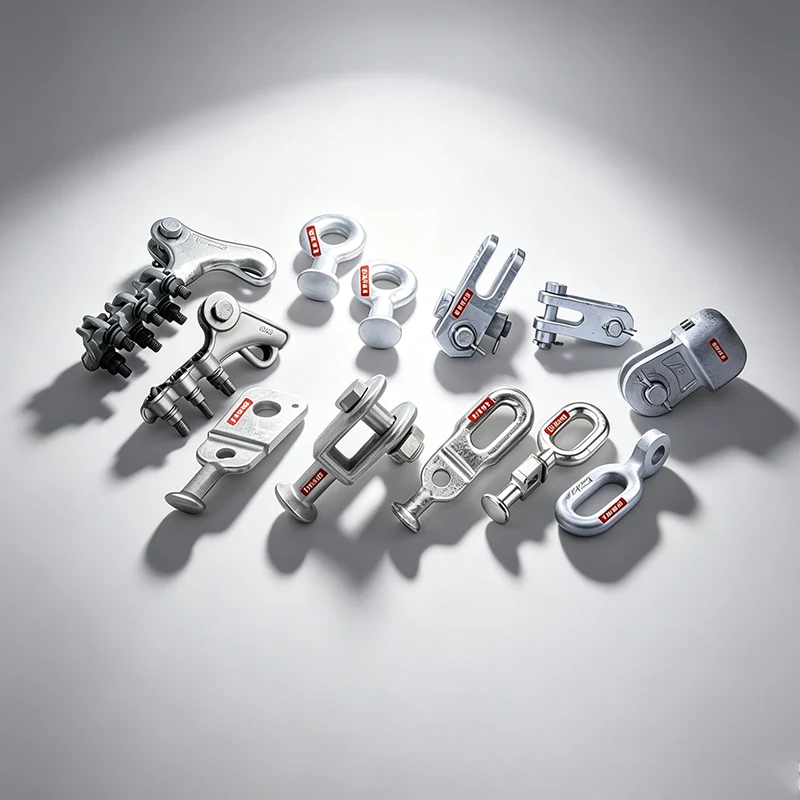
Article Summary: A reliable substation hardware clamp plays an essential role in securing busbars, conductors, and equipment connections in electrical substations. Proper clamp selection helps maintain mechanical stability, preserve electrical clearances, accommodate thermal movement, and simplify routine maintenance. This guide explains clamp functions, common applications, material and design considerations, installation practices, and procurement factors to help power utilities, electrical contractors, and engineering teams make informed decisions. Huixing provides substation hardware clamps designed to support dependable power infrastructure across different substation applications.
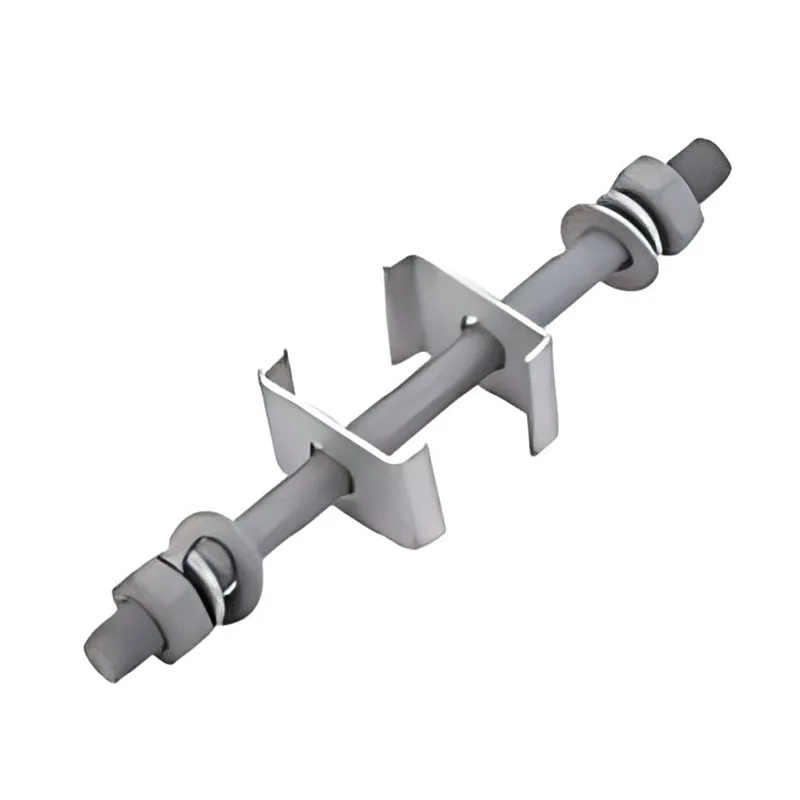
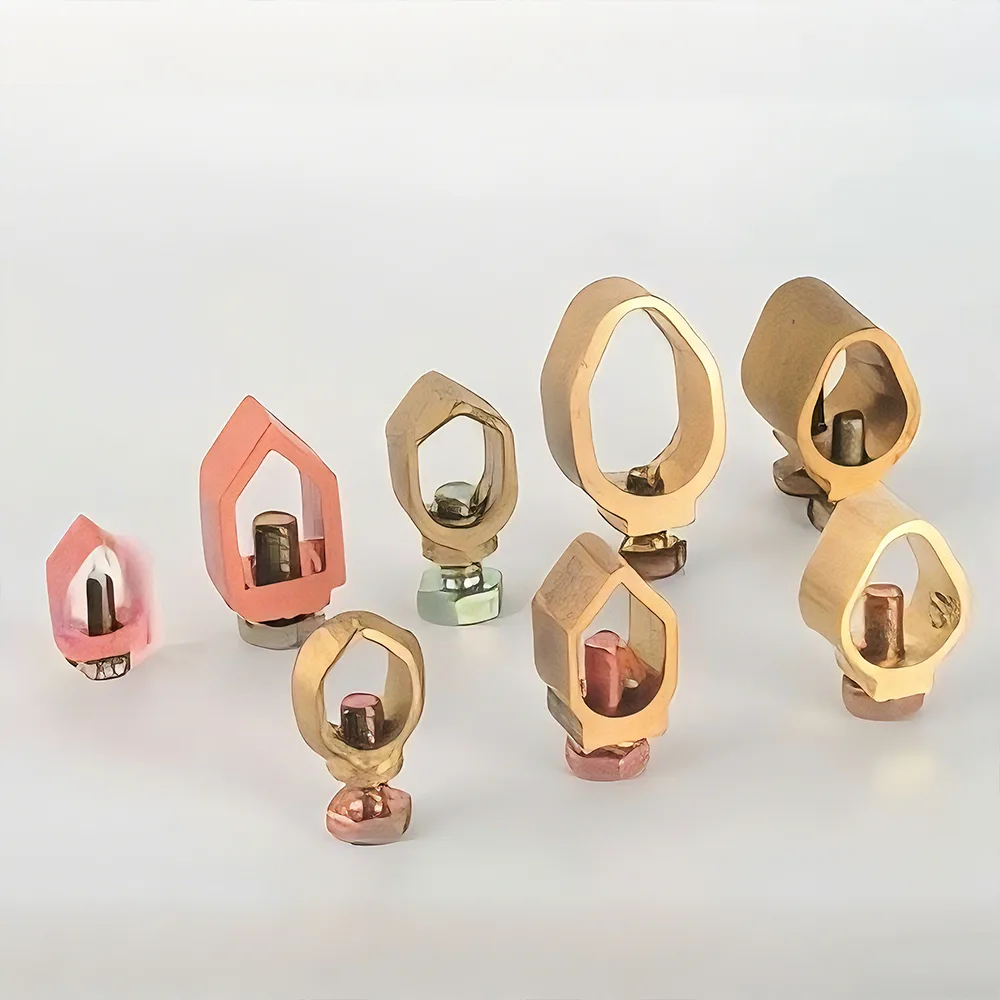
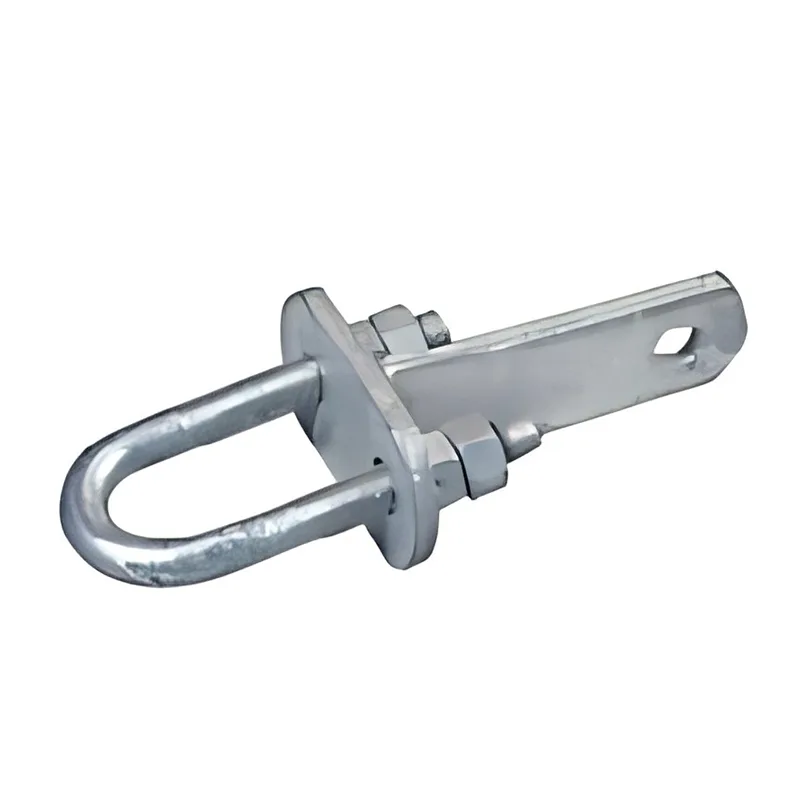
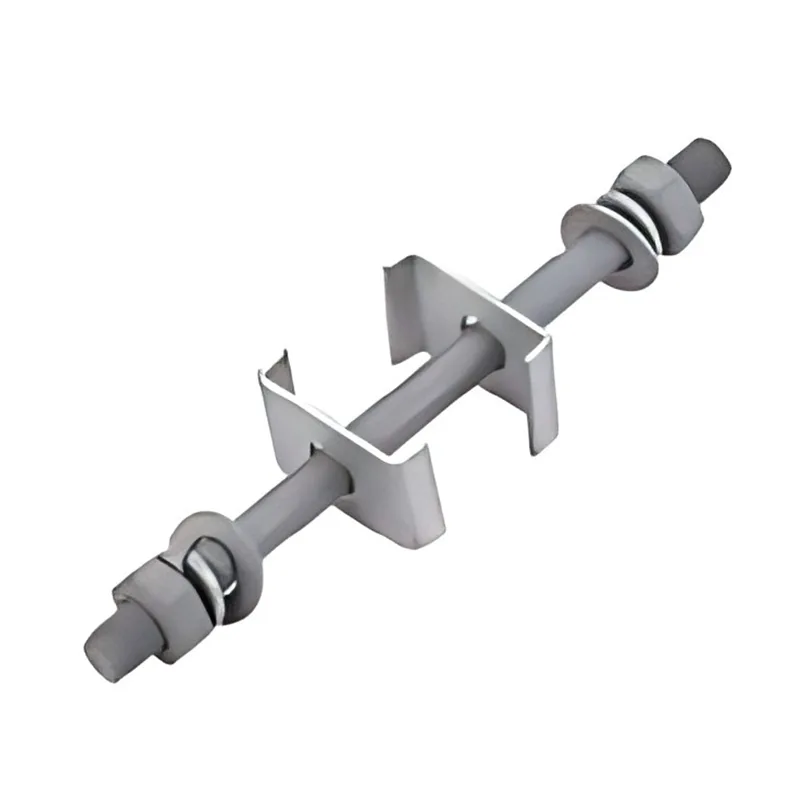
A substation hardware clamp is a mechanical component used to secure, support, or connect electrical conductors, busbars, and associated equipment within a power substation. It helps keep electrical components in their intended positions while supporting the mechanical and environmental demands encountered during normal operation.
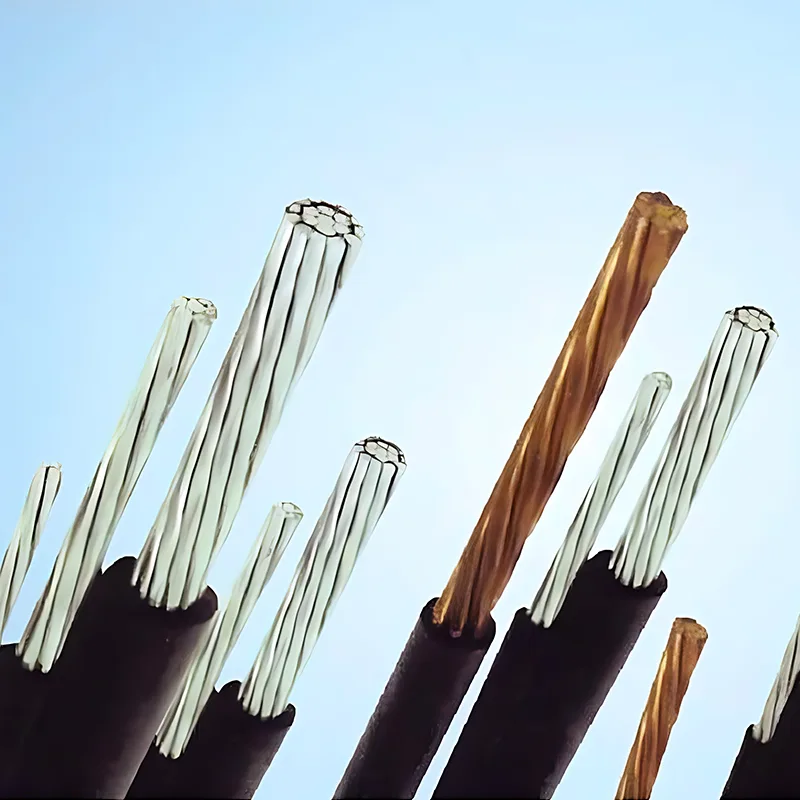
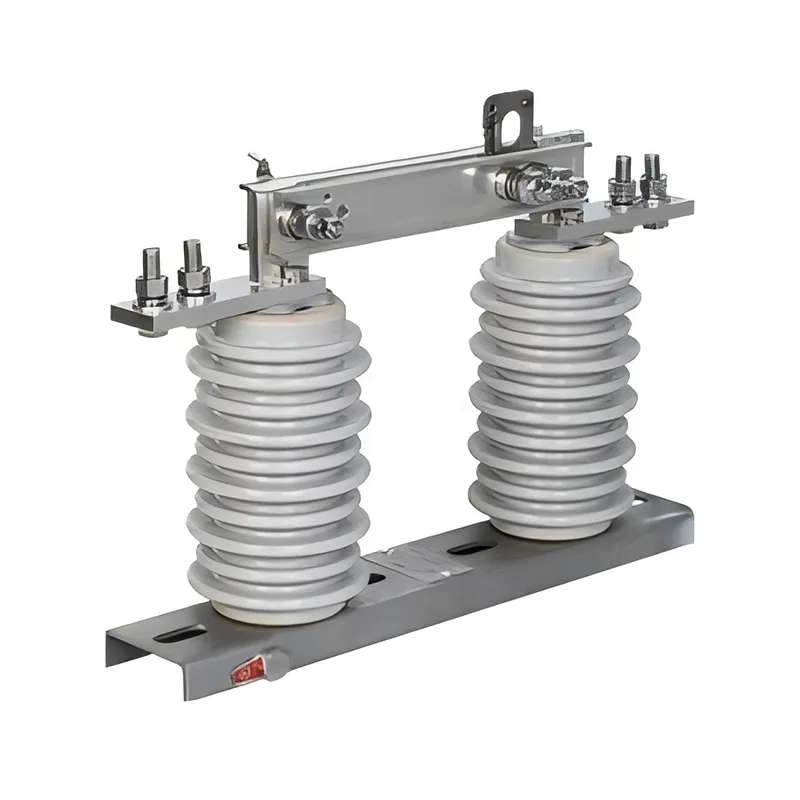
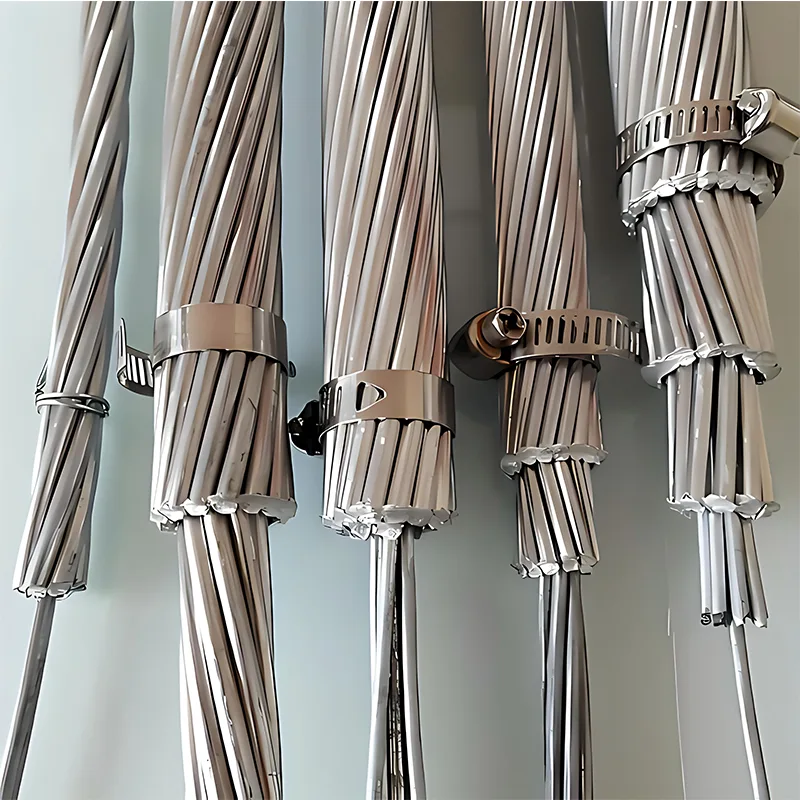
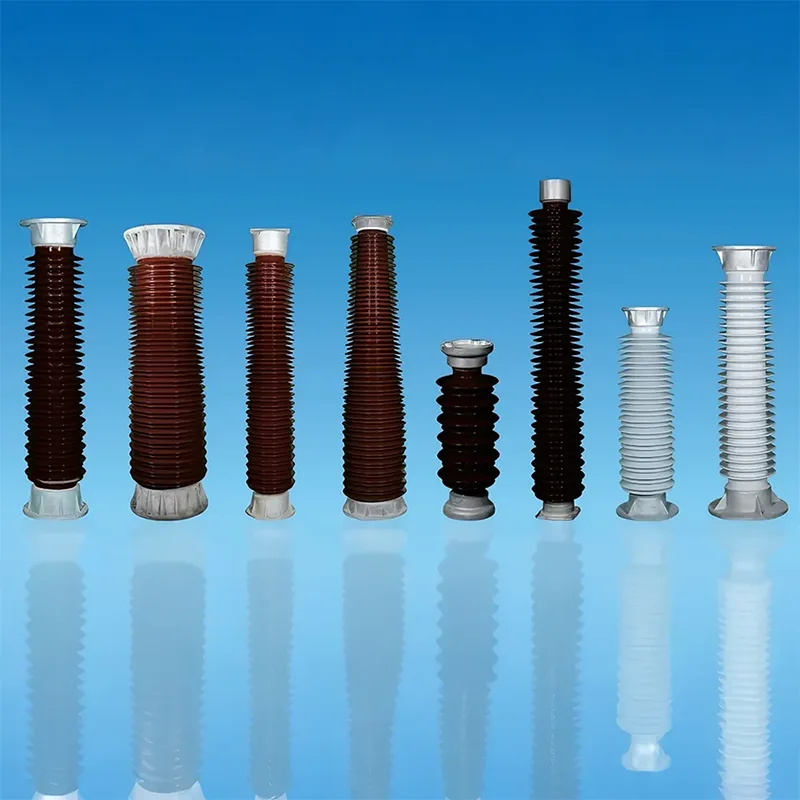
Depending on the system design, clamps may be used with copper busbars, aluminum busbars, tubular busbars, flexible conductors, and equipment leads. They can also be installed alongside post insulators, steel support structures, and mounting brackets to establish stable conductor arrangements.
Although a clamp may appear to be a relatively small component, its performance can affect the reliability of the larger electrical installation. An unsuitable or poorly installed clamp can allow movement, compromise specified clearances, or contribute to connection problems under mechanical and thermal stress.
For this reason, selecting a Substation Hardware Clamp requires more than checking whether the component physically fits. Engineers must consider conductor geometry, loading conditions, environmental exposure, mounting requirements, and the applicable project standards.
Busbars and conductors experience loads from their own weight, wind, vibration, and, under certain fault conditions, strong electrodynamic forces. A correctly specified clamp helps maintain the intended arrangement and reduces unwanted movement.
Reliable fixation is particularly important in outdoor substations, where environmental exposure can place additional demands on supporting hardware.
Electrical substations require carefully designed clearances between phases, between live components and grounded structures, and around energized equipment. A properly positioned clamp helps maintain these clearances by limiting conductor displacement.
However, a clamp alone cannot guarantee electrical safety. Clearances, insulation coordination, grounding arrangements, and the overall installation must be assessed as part of the complete substation design.
Conductors and busbars expand when temperatures rise and contract as they cool. If the support arrangement does not account for this movement, excessive restraint may contribute to bending, deformation, or stress at connection points.
Depending on the design, fixed supports and movable supports may be combined to maintain positioning while permitting the required thermal movement. The correct arrangement must follow the equipment manufacturer's instructions and the engineering design.
Suitable materials, accurate dimensions, secure fasteners, and appropriate surface protection can help reduce premature wear and corrosion. These characteristics support predictable maintenance and help operators identify potential problems before they develop into more serious failures.
Substation hardware clamps serve several functions across new installations, capacity upgrades, and maintenance projects. Their precise configuration depends on the conductor system and the supporting equipment.
For related component options, buyers can also explore Huixing substation fittings and power fittings for transmission and distribution systems.
The term substation hardware clamp covers multiple designs. Although their functions can overlap, each configuration should be matched to a specific mechanical and electrical application.
| Clamp or Hardware Type | Primary Function | Typical Application | Selection Priority |
|---|---|---|---|
| Busbar Clamp | Secures rigid busbars in the intended position | Substation busbar support assemblies | Busbar dimensions, loading, and thermal movement |
| Conductor Clamp | Holds compatible conductors securely | Flexible conductors and equipment leads | Conductor diameter, construction, and load requirements |
| Equipment Clamp | Provides a suitable mechanical or electrical interface | Connections involving substation equipment | Terminal geometry, material compatibility, and current requirements where applicable |
| Fixed Support Clamp | Restrains movement at a designated support point | Busbar and conductor support structures | Required restraint and structural loading |
| Movable or Expansion-Compatible Support | Allows specified movement while maintaining support | Systems subject to thermal expansion and contraction | Permitted travel and support arrangement |
This table provides a general selection framework rather than a product-specific specification. Actual product names, dimensions, load ratings, and compatibility must be confirmed against the manufacturer's technical documentation.
Choosing the right clamp starts with a clear understanding of the installation. Procurement teams should work with electrical engineers to establish the relevant requirements before requesting quotations or approving a substitute component.
Identify the conductor material, outside dimensions, cross-sectional geometry, and installation arrangement. A clamp designed for one busbar profile may not provide the correct contact or support when used with another profile.
Consider the conductor's weight, support spacing, wind exposure, possible ice loading, vibration, and applicable short-circuit forces. The clamp and its associated fasteners must be suitable for the loads established by the project engineer.
Material selection affects mechanical strength, electrical performance, corrosion behavior, and long-term maintenance. Copper, aluminum, and steel may be appropriate for different functions, but direct contact between dissimilar metals can create galvanic corrosion under certain environmental conditions.
Where dissimilar materials are involved, verify that the proposed interface, coatings, and transition components are suitable for the intended application.
Outdoor installations may require additional attention to moisture, salt exposure, industrial pollutants, ultraviolet exposure, and temperature variation. Surface treatments and protective measures should be selected according to the actual site conditions rather than relying on a generic corrosion-resistance claim.
Confirm the applicable project specifications, utility requirements, approved drawings, and relevant industry standards. Check bolt sizes, mounting interfaces, required clearances, and any restrictions on component substitution.
A practical pre-purchase checklist includes:
Even a well-manufactured substation hardware clamp may perform poorly if it is installed incorrectly or operated outside its design limits. Installation and inspection should follow approved procedures and be carried out by qualified electrical personnel.
Any work involving energized equipment must follow the applicable safety rules and approved procedures. Thermal imaging, electrical testing, and mechanical inspections should be selected according to the installation's risk assessment and maintenance requirements.
For utility projects and electrical infrastructure contractors, the purchase price is only one part of the total cost of a substation hardware clamp. Dimensional consistency, material traceability, corrosion protection, installation compatibility, and supplier responsiveness can influence the overall procurement outcome.
Before placing an order, buyers should request the documentation appropriate to the application and confirm which requirements are included in the quotation.
| Quality Check | What to Verify | Why It Matters |
|---|---|---|
| Dimensional Inspection | Critical dimensions and mounting interfaces | Helps ensure compatibility with approved drawings |
| Material Verification | Specified material grade and supporting records | Supports strength and material compatibility requirements |
| Surface Protection | Specified coating or corrosion-protection treatment | Helps address the site's environmental conditions |
| Mechanical Suitability | Design loads and relevant test evidence | Supports safe installation under intended service conditions |
| Order Documentation | Drawings, inspection records, and delivery requirements | Improves traceability and project coordination |
Huixing Zhongdian (Beijing) Electric Co., Ltd. supplies substation hardware clamps intended to secure busbars and conductors in electrical substation applications. Its product information highlights mechanical fixation, electrical clearance management, adaptability to thermal changes, and quality management from raw materials to finished goods.
For project-specific requirements, buyers can review the Huixing Substation Hardware Clamp product page and request confirmation of available configurations, material options, drawings, and relevant inspection documentation before ordering.
Its primary purpose is to secure or support busbars, conductors, and associated electrical components. The appropriate design helps maintain positioning, mechanical stability, and specified electrical clearances.
Depending on the function, clamps and associated fittings may use copper, aluminum, steel, or other specified materials. Selection depends on mechanical loading, electrical requirements, corrosion exposure, and compatibility with connected components.
Not necessarily. Compatibility depends on the clamp's dimensions, contact geometry, adjustment range, and rated operating conditions. Always verify the manufacturer's specifications and approved engineering drawings before using a clamp with a different busbar size.
Conductors and busbars change dimensions as their temperature changes. An unsuitable support arrangement can introduce excessive mechanical stress or deformation. The installation must provide the movement or restraint required by its design.
Review dimensional accuracy, material documentation, surface protection, mechanical suitability, inspection records, and compliance with project requirements. Ask the supplier for relevant test reports and technical documents where required.
Many clamp designs are intended for outdoor substations, but suitability depends on the selected material, surface treatment, environmental conditions, and mechanical requirements. Confirm that the specific configuration is appropriate for the intended site.
Huixing offers drawing-based customization services for electrical products and components. Buyers should submit their technical drawings, conductor dimensions, material requirements, operating conditions, and project standards to confirm feasibility and obtain a suitable quotation.
Provide the required quantity, application, conductor or busbar dimensions, mounting arrangement, material preferences, environmental conditions, applicable standards, and delivery destination. Include drawings and required inspection documentation whenever available.
A properly selected substation hardware clamp contributes to stable conductor support, appropriate electrical clearances, controlled thermal movement, and dependable long-term operation. For engineers and procurement professionals, the most effective selection process combines accurate technical specifications, environmental assessment, installation planning, and documented quality checks.
Huixing supports substation and power distribution projects with hardware designed for conductor and busbar fixation. Whether you are planning a new substation, upgrading an existing facility, or sourcing components for a maintenance program, choosing compatible hardware is an important step toward dependable infrastructure. Visit the Substation Hardware Clamp product page to review the available information, and contact us with your drawings, technical requirements, and project quantity to discuss product suitability, customization options, and a quotation for your application.