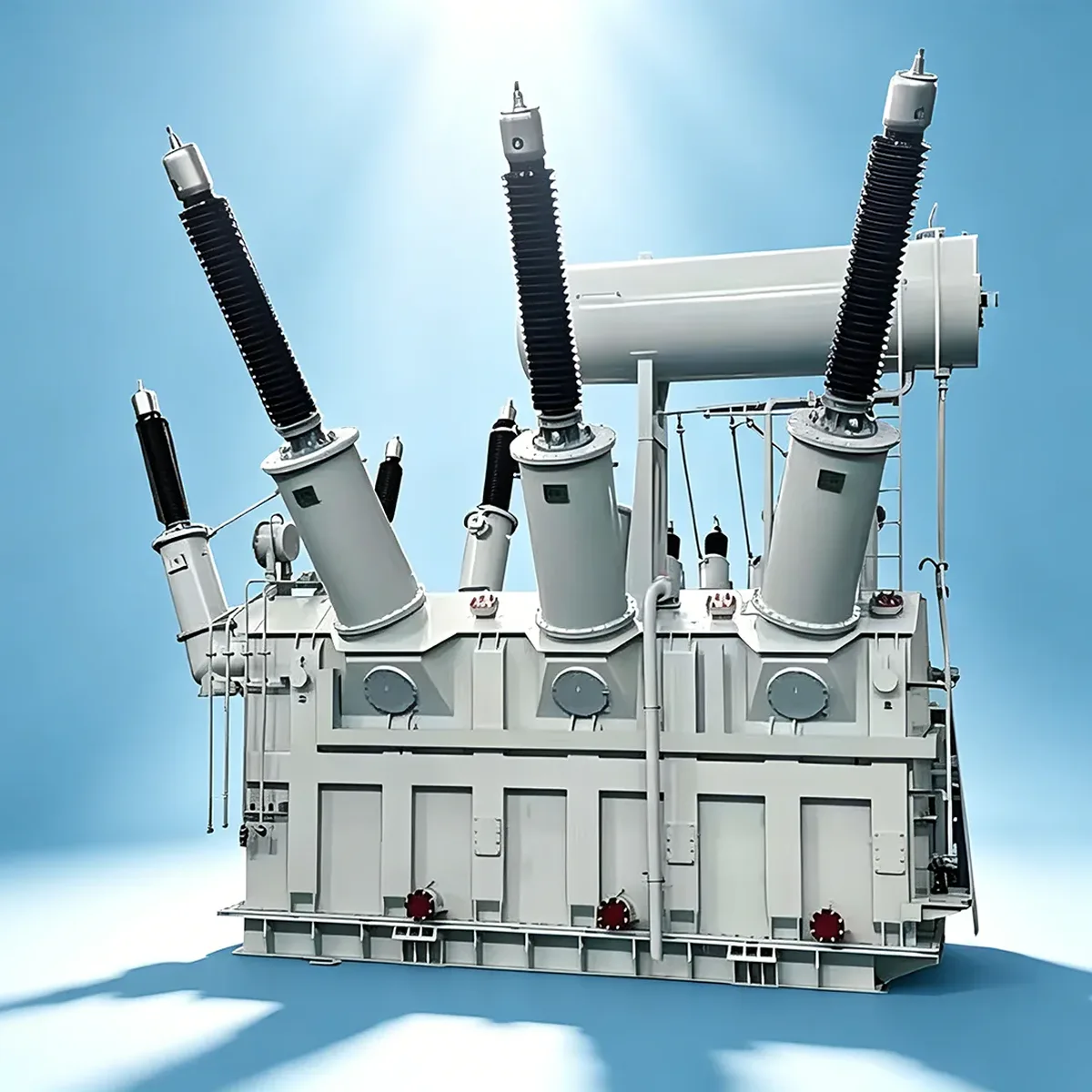
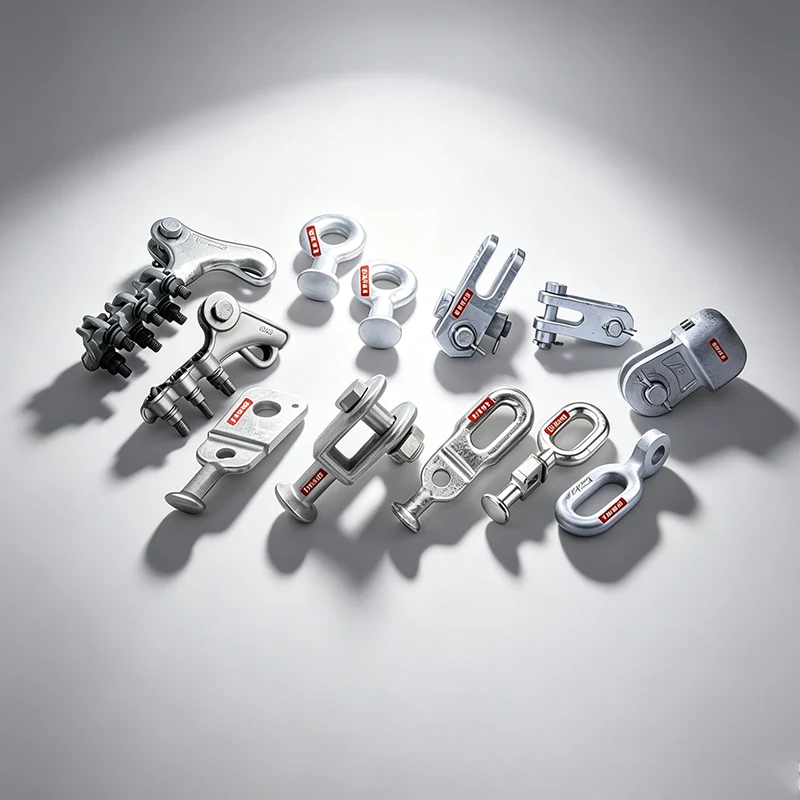
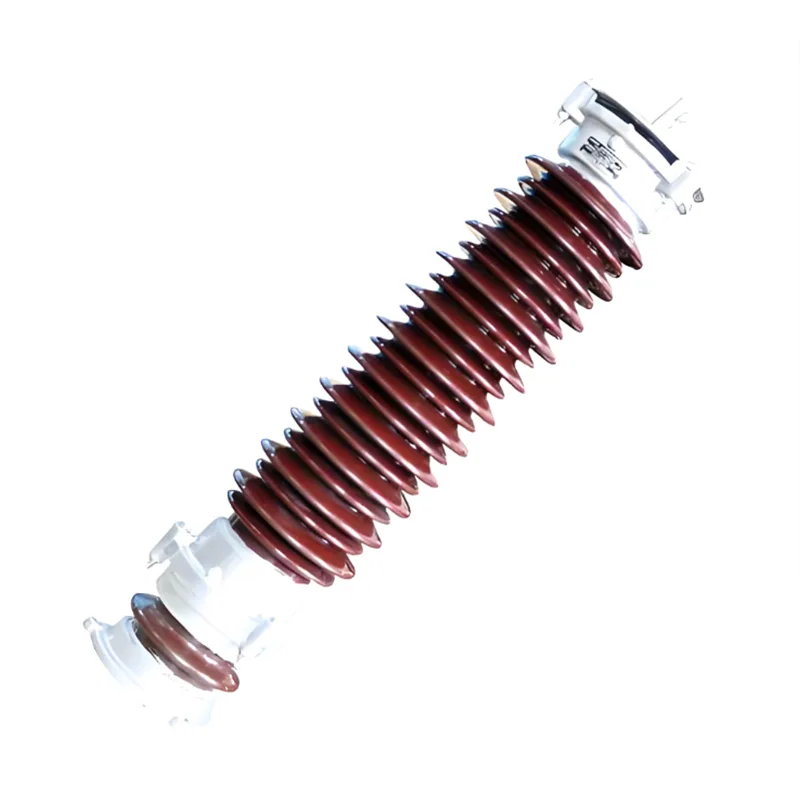
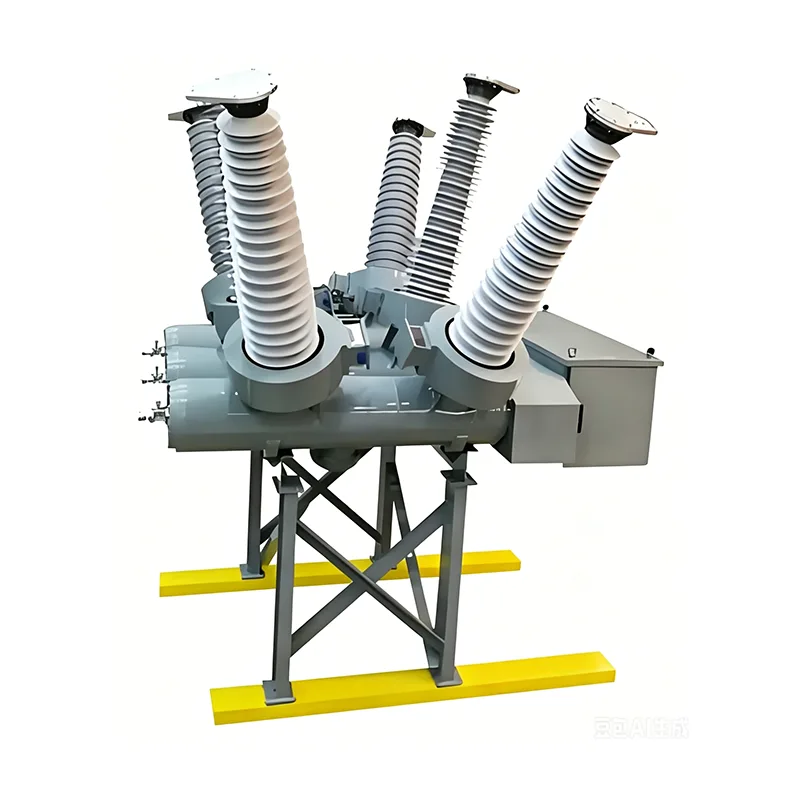
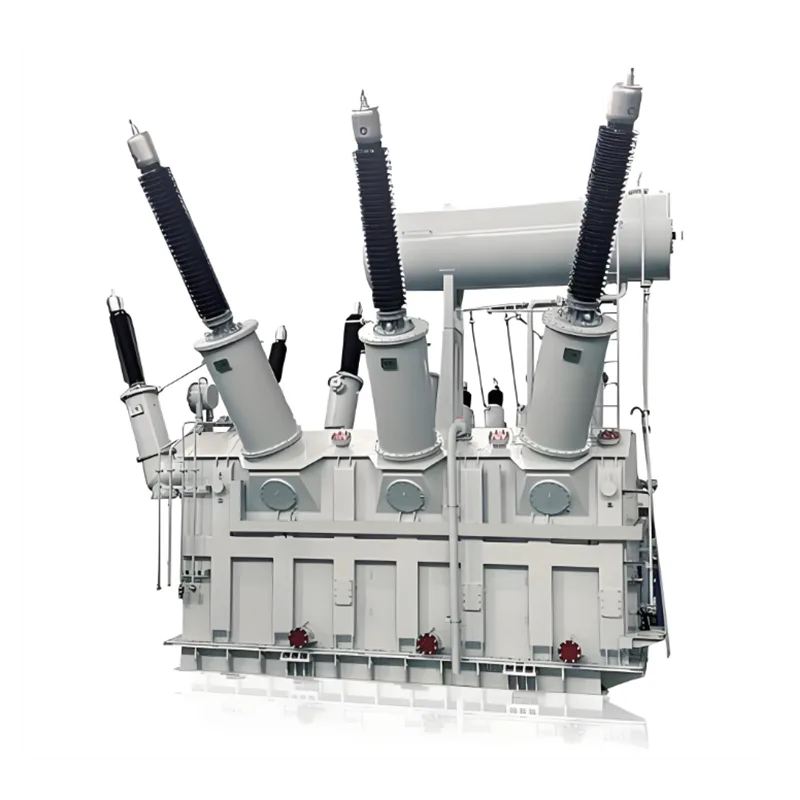
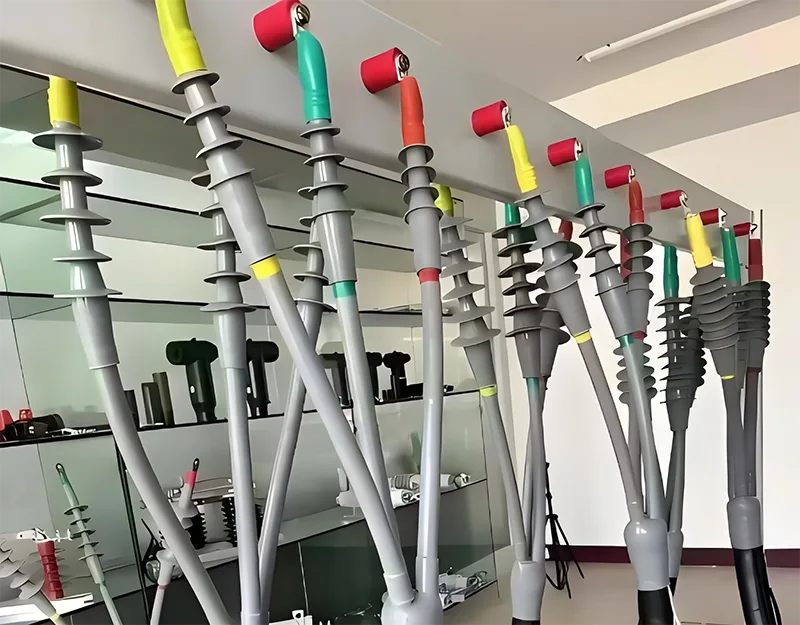
Huixing provides high voltage insulator solutions designed for dependable electrical insulation and mechanical support in transmission and distribution systems. With voltage applications covering 45kV–220kV for its featured product range, these insulators help protect overhead lines, substations, renewable energy facilities, and industrial power networks against electrical and environmental stresses.
A high voltage insulator is an essential component of modern electrical infrastructure. It separates energized conductors from grounded structures, supports electrical equipment, and helps prevent leakage current and flashover. Choosing the right insulator requires more than matching a voltage rating: engineers must also evaluate insulation material, creepage distance, mechanical strength, pollution severity, temperature, mounting dimensions, and applicable standards. This guide explains the main types, applications, selection criteria, and maintenance considerations for high-voltage insulation systems, helping project developers and procurement teams make better-informed decisions.
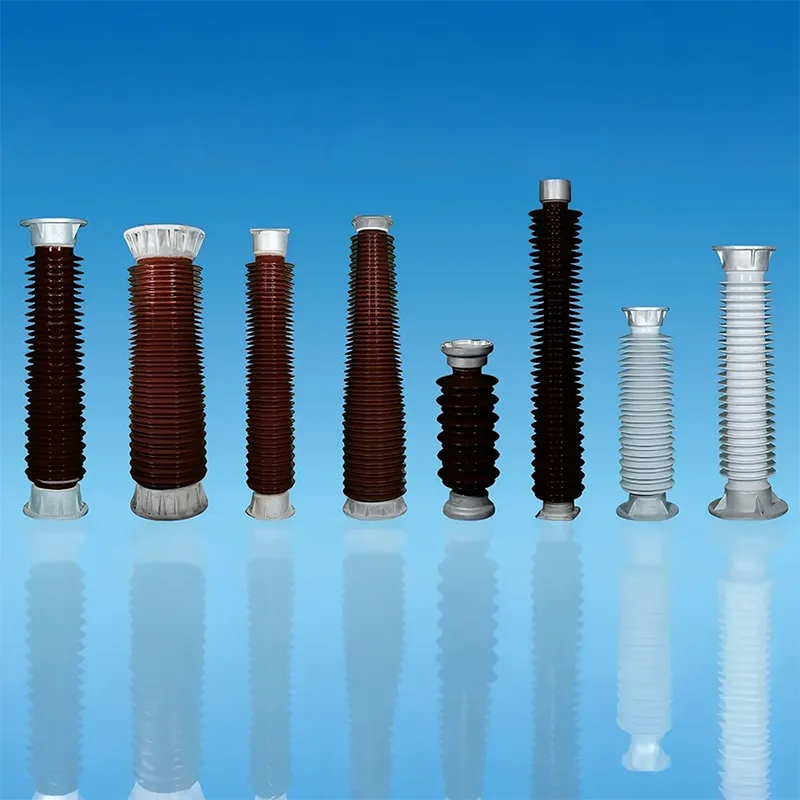
A high voltage insulator is an electrical component that prevents unwanted current flow between energized conductors and grounded structures while providing the mechanical support required by the installation. It is commonly used on transmission towers, substation busbars, disconnectors, circuit breakers, and other high-voltage equipment.
In a power network, insulation failure can result in flashover, equipment damage, unplanned outages, and safety hazards. An appropriately specified insulator helps maintain electrical clearances and withstand operating voltage, switching surges, lightning impulses, and mechanical loads.
Huixing's featured product range covers 45kV–220kV applications and offers multiple insulating material options. Its selection of high-voltage equipment is intended for power transmission, substations, renewable energy projects, and industrial distribution systems.
For project planning, it is important to distinguish the system voltage from the equipment's maximum rated voltage and required insulation level. These values are related but are not interchangeable. The final specification should follow the project's electrical design and the applicable utility requirements.
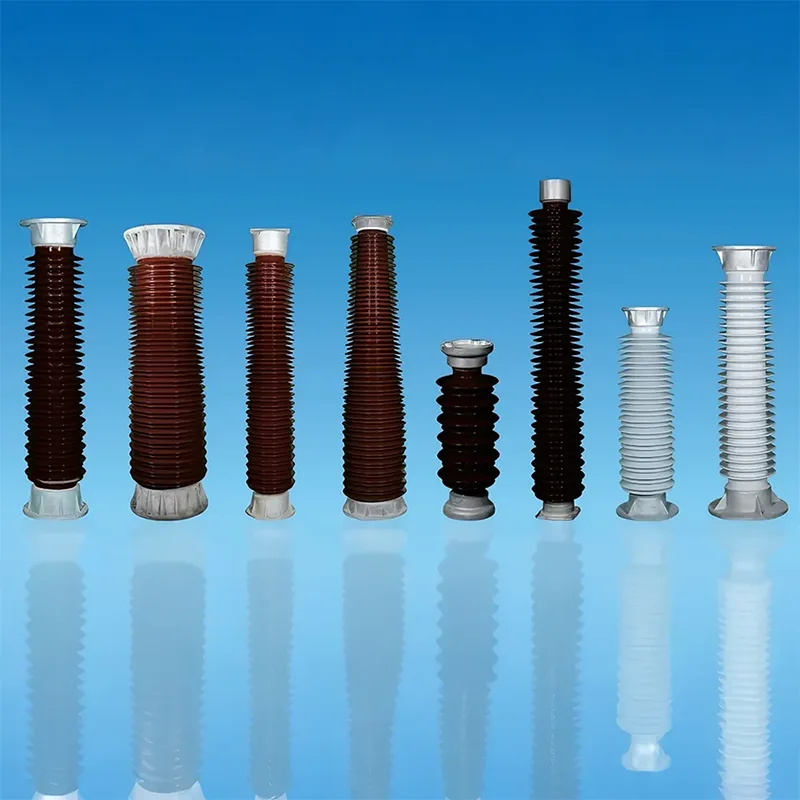
Insulating materials influence electrical performance, mechanical behavior, environmental resistance, weight, and maintenance requirements. Three widely used options are porcelain, glass, and silicone rubber composite.
Porcelain offers established electrical insulation performance, rigidity, and resistance to many outdoor operating conditions. Porcelain post insulators are commonly used to support busbars and electrical equipment in substations. Their suitability depends on the specified electrical rating, mechanical load, surface design, and installation environment.
Glass is widely used in overhead transmission applications. Its electrical properties and surface characteristics make it suitable for specific suspension and line-insulation designs. Engineers should verify the selected glass insulator's mechanical rating, pollution performance, and compatibility with the line hardware.
Composite designs generally combine a load-bearing core with an insulating polymer housing. Silicone rubber can provide useful hydrophobic surface characteristics and relatively low weight. These properties can be advantageous in coastal areas, polluted industrial environments, and installations where handling weight matters.
No material is universally best. Selection should consider the application, environmental exposure, electrical requirements, mechanical loading, expected service conditions, and the manufacturer's verified technical documentation.
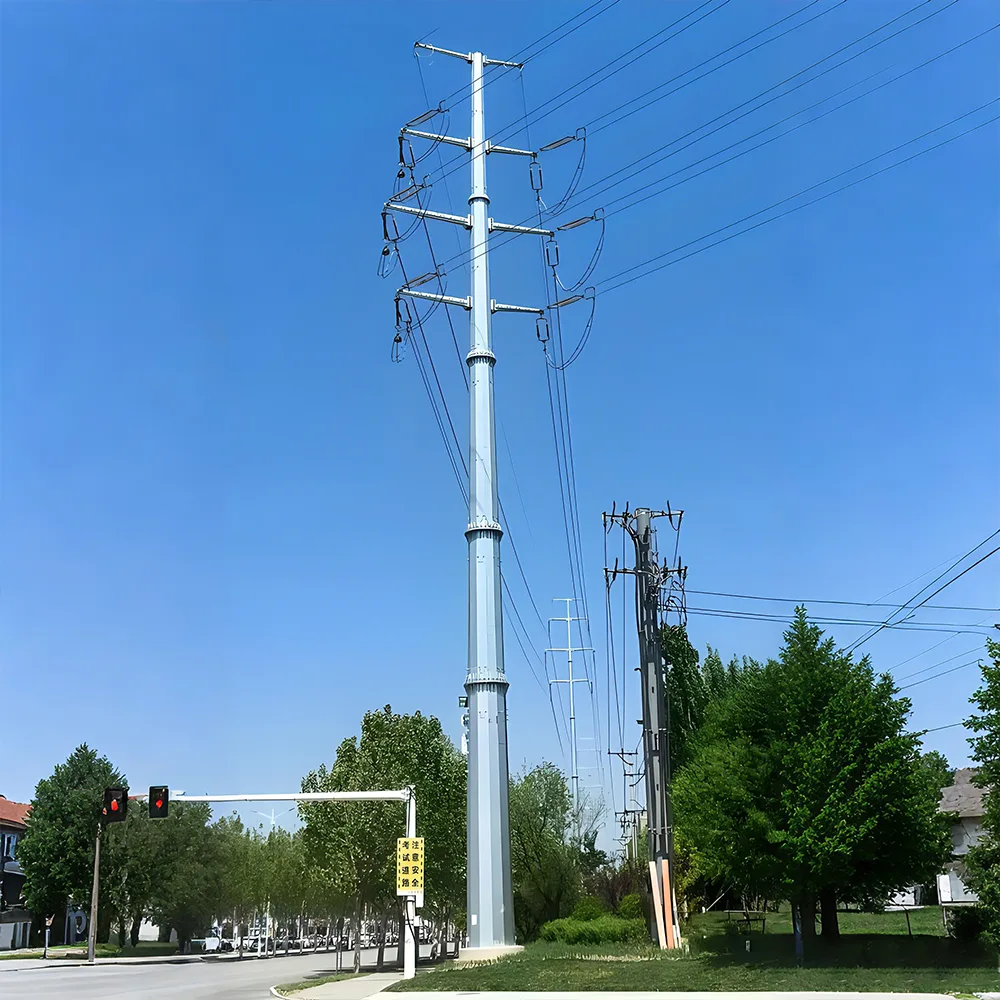
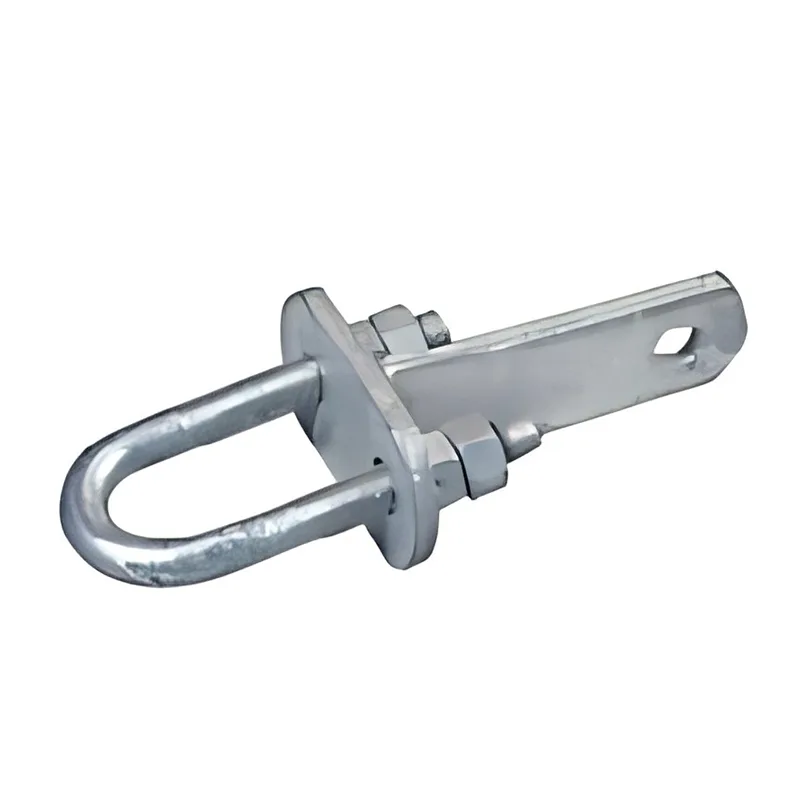
Insulators separate energized conductors from grounded transmission towers while supporting loads caused by conductor weight, wind, and potential ice accumulation. Suspension and strain arrangements are selected according to the line configuration, conductor tension, and structural design.
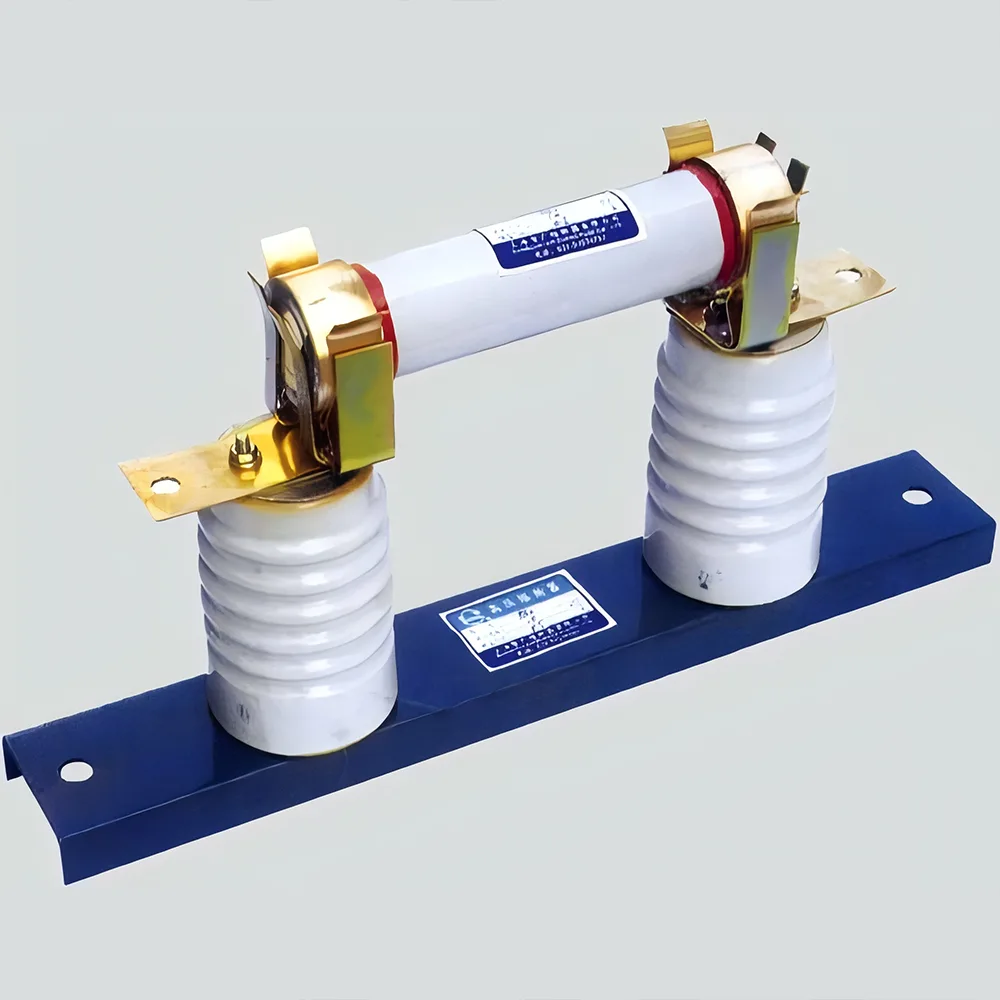
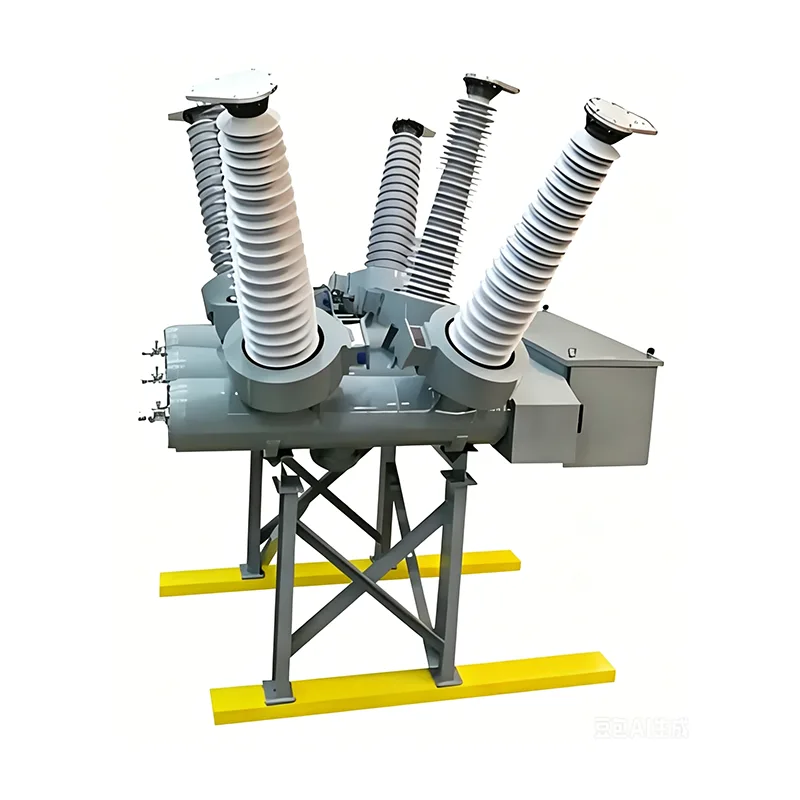
Substations use post insulators to support busbars and maintain clearances around disconnectors, circuit breakers, and other electrical equipment. The required mechanical strength and mounting configuration depend on the equipment layout and operating loads.
Renewable energy facilities require reliable insulation at transformer connections, high-voltage busbars, and grid interconnection points. Insulator selection should account for the electrical design, outdoor exposure, and environmental conditions at the site.
Manufacturing plants, mining operations, chemical facilities, and other large industrial sites may operate dedicated high-voltage distribution networks. Appropriate insulation helps maintain safe separation between energized components and grounded supporting structures, particularly where dust, humidity, or corrosive contaminants are present.
Explore Huixing's high voltage insulator product page for product information and available specifications.
These benefits depend on correct specification, manufacturing quality, installation practices, and operating conditions. No insulator can eliminate every electrical failure risk, so system-level protection and routine inspection remain essential.
Before ordering, engineers should compare the electrical rating with the required mechanical strength, creepage distance, overall height, mounting dimensions, and weight. Huixing's product information includes a porcelain post insulator specification table with models for several voltage classes, including 110kV and 220kV system applications.
| Parameter | Example or Reference | Why It Matters |
|---|---|---|
| Voltage class | Project-specific; examples include 110kV and 220kV | Establishes the required electrical application and insulation coordination. |
| Insulating material | Porcelain, glass, or silicone rubber composite | Affects mechanical design, environmental suitability, and maintenance considerations. |
| Cantilever strength | Model-dependent; expressed in kN | Indicates the specified bending-load capability of a post insulator. |
| Torsional strength | Model-dependent; expressed in kN·m | Helps establish suitability where twisting loads are relevant. |
| Creepage distance | Model-dependent; expressed in mm | Supports the required surface insulation performance under pollution and moisture exposure. |
| Overall height | Model-dependent; expressed in mm | Determines installation clearance and equipment arrangement. |
| Mounting dimensions | Specified upper and lower mounting-hole configurations | Ensures compatibility with supporting structures and connection hardware. |
| Weight | Model-dependent; expressed in kg | Influences transportation, lifting, and installation planning. |
For example, Huixing's published porcelain post insulator table lists model C6-550-3150 for a 110kV system voltage, with a 6kN cantilever strength, 4kN·m torsional strength, 3,150mm nominal creepage distance, and 1,220mm overall height. The listed weight is 57kg. These values apply to that specific model and must not be generalized to other insulators.
For higher-voltage applications, the same product table also includes 220kV system models with different mechanical ratings, dimensions, and weights. Always confirm the current drawing and technical data sheet before procurement because the selected model and project requirements determine the final configuration.
A reliable purchasing decision begins with the project's technical requirements rather than price alone. Use the following checklist to compare suitable products.
When requesting a quotation, provide the voltage class, installation type, environmental conditions, required mechanical ratings, quantity, applicable standards, and delivery destination. This information helps the supplier identify an appropriate model and reduces the risk of specification mismatches.
Even a correctly selected insulator can underperform if it is damaged during transportation or installed incorrectly. A disciplined inspection and installation process helps preserve the intended electrical and mechanical performance.
Inspection frequency should reflect the utility's maintenance policy, equipment condition, environmental severity, and operating history. High-pollution or coastal installations may require different inspection and cleaning arrangements from cleaner environments. Maintenance decisions should be based on documented site requirements rather than a universal schedule.
Its primary purpose is to electrically isolate energized conductors or components from grounded structures while providing the mechanical support required by the installation. It helps prevent leakage current and flashover when correctly selected and installed.
Porcelain, glass, and silicone rubber composite materials are common options. The best choice depends on voltage requirements, mechanical loads, pollution levels, weather exposure, mounting design, and maintenance considerations.
Huixing describes its featured high voltage insulator range as covering 45kV–220kV applications. Its published porcelain post insulator table also lists selected models for other system voltage classes. Buyers should confirm the exact model and rating required for their project.
Creepage distance should be determined from the applicable insulation coordination requirements, pollution severity, environmental conditions, and relevant standards. It should not be selected solely by matching the nominal system voltage.
Request the technical data sheet, approved dimensional drawings, applicable test reports, inspection documentation, installation instructions, and confirmation of the required standards. Project-specific documentation helps verify that the selected product matches the engineering design.
Yes, provided the selected design is suitable for the site's pollution, salt spray, humidity, temperature, and chemical exposure. Material choice, creepage distance, maintenance planning, and project-specific verification are important for these environments.
A high voltage insulator is a critical part of safe and dependable power infrastructure. Its performance depends on the correct combination of electrical ratings, mechanical strength, creepage distance, material selection, environmental suitability, and installation quality. A thorough technical review before procurement can reduce compatibility problems, improve maintenance planning, and support long-term network reliability.
Huixing offers high-voltage insulation solutions for transmission lines, substations, renewable energy facilities, and industrial power systems. If you are sourcing an insulator for a new installation, grid upgrade, or equipment replacement, review the product specifications and contact us with your voltage class, mechanical requirements, operating environment, and project quantity. Huixing's team can help you identify a suitable configuration and provide the technical information needed for your procurement evaluation.