Electrical safety is one of the most important concerns in residential, commercial, and industrial power systems. An electric fuse is a simple yet highly effective protective device designed to prevent electrical damage caused by overloads and short circuits. When excessive current flows through a circuit, the fuse interrupts the electrical path before expensive equipment, wiring, or machinery can be damaged.
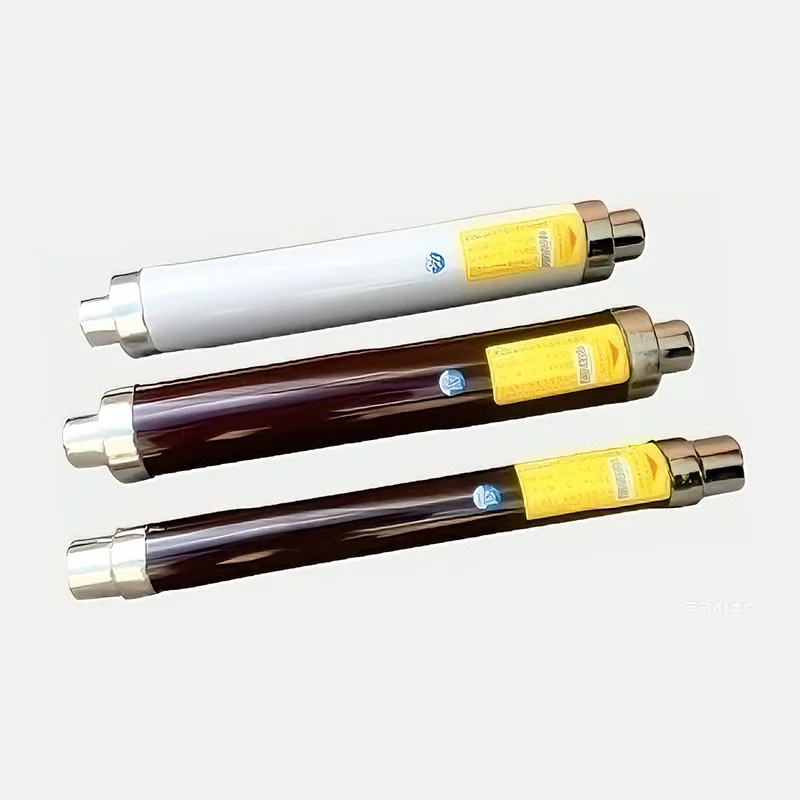
Whether you are managing a manufacturing facility, designing electrical distribution systems, or maintaining industrial equipment, understanding how electric fuses work can help improve safety, reduce downtime, and lower maintenance costs. This guide explains the operating principles, types, benefits, applications, selection criteria, and common questions surrounding electric fuses.
Electric fuses serve as the first line of defense against overcurrent conditions. By melting a calibrated fuse element when current exceeds safe limits, they protect electrical circuits, transformers, motors, switchgear, and sensitive electronic equipment. Choosing the correct fuse type and rating is essential for ensuring system reliability and operational safety.
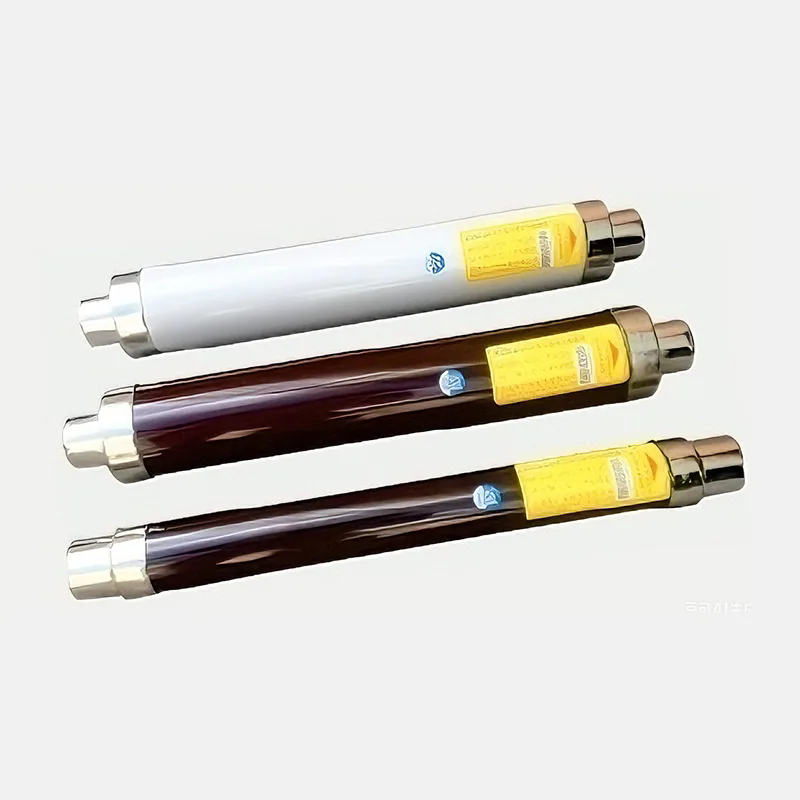
An electric fuse is a sacrificial overcurrent protection device installed in an electrical circuit. It contains a specially designed metal element that melts when the current exceeds a predetermined value.
Once the fuse element melts, the circuit becomes open, stopping the flow of electricity and protecting connected equipment from overheating, fire hazards, and catastrophic failure.
Unlike circuit breakers that can be reset after tripping, most fuses must be replaced after operation. However, their simplicity, reliability, and fast response make them an essential component in many electrical systems.
The operating principle of an electric fuse is based on the heating effect of electric current.
Under normal operating conditions, the fuse element carries current safely without damage. When an overload or short circuit occurs, excessive current generates heat within the fuse element.
As the temperature rises beyond the design threshold, the fuse element melts and interrupts the circuit.
The protection process typically follows these steps:
This rapid interruption minimizes thermal stress and reduces the risk of fire or equipment failure.
Electrical systems face numerous risks, including short circuits, overload conditions, insulation failures, and unexpected equipment malfunctions. Without proper protection, these events can result in costly repairs and dangerous safety hazards.
Key benefits of electric fuses include:
For industrial facilities, effective fuse protection often means avoiding expensive downtime and maintaining production continuity.
Different applications require different fuse designs. Understanding the available options helps ensure proper protection.
| Fuse Type | Description | Typical Application |
|---|---|---|
| Cartridge Fuse | Enclosed cylindrical fuse with metal end caps. | Industrial equipment and power distribution. |
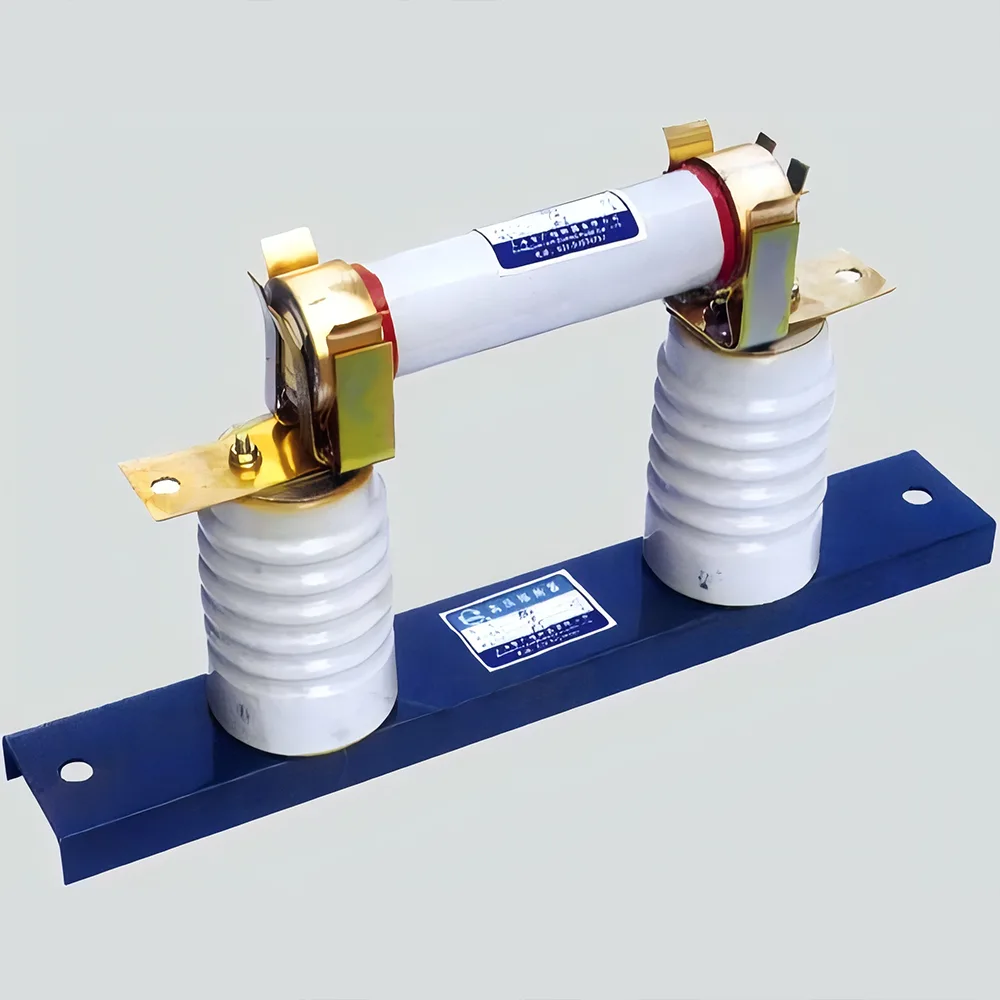
| High Voltage Fuse | Designed for medium and high-voltage networks. | Transformers and substations. |
| Blade Fuse | Compact plastic-body fuse. | Automotive electrical systems. |
| Glass Fuse | Transparent body allows visual inspection. | Consumer electronics. |
| Resettable Fuse | Automatically restores operation after cooling. | Electronic devices and communication systems. |
| Semiconductor Fuse | Ultra-fast operation for sensitive electronics. | Power converters and drives. |
| Feature | Standard Fuse | Fast-Acting Fuse | Time-Delay Fuse |
|---|---|---|---|
| Response Speed | Moderate | Very Fast | Delayed |
| Short Circuit Protection | Excellent | Excellent | Excellent |
| Handles Inrush Current | Limited | Poor | Excellent |
| Motor Applications | Suitable | Not Ideal | Highly Suitable |
| Electronic Equipment | Good | Excellent | Limited |
Electric fuses are used across virtually every industry where electrical power is present.
Common applications include:
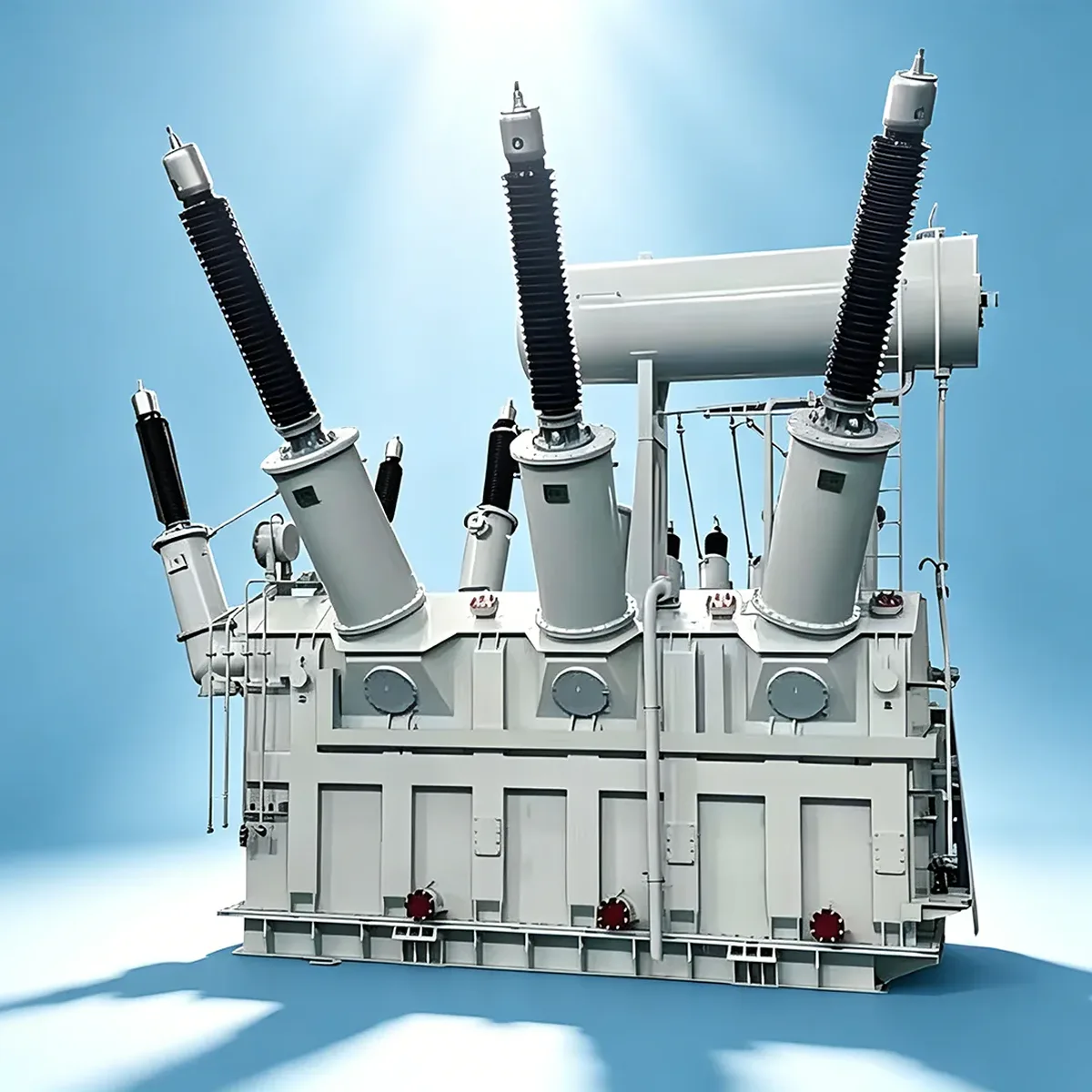
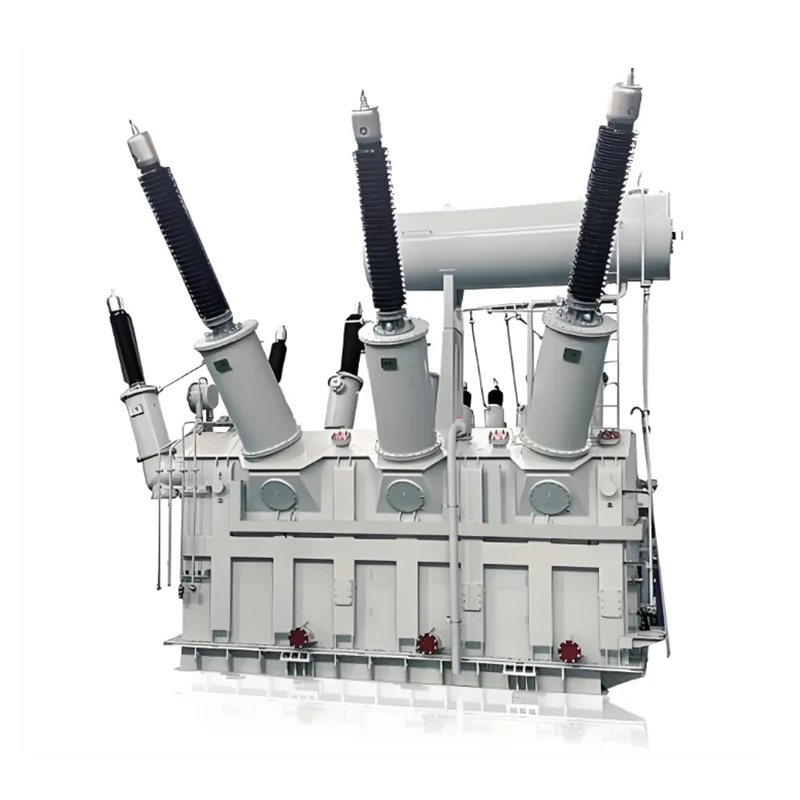
In transformer installations, properly selected fuses help isolate faults quickly while protecting valuable equipment from severe damage.
Selecting the appropriate fuse requires more than simply matching current ratings. Several technical factors should be evaluated carefully.
Important considerations include:
For example, motor circuits often experience high startup currents. In such cases, a time-delay fuse may be more suitable than a fast-acting fuse because it allows temporary inrush currents while still providing fault protection.
Engineering teams should always review equipment specifications and applicable electrical standards before making a final selection.
Improper fuse selection can compromise both safety and equipment reliability.
Some of the most common mistakes include:
These errors can lead to nuisance trips, equipment damage, or dangerous operating conditions.
Although electric fuses are relatively maintenance-free, regular inspection remains important for ensuring dependable performance.
Never replace a fuse with a higher-rated alternative simply to prevent repeated operation. The underlying electrical issue should always be identified and corrected.
Q1: What is the main purpose of an electric fuse?
An electric fuse protects circuits and equipment by disconnecting power when excessive current flows through the system.
Q2: How does a fuse differ from a circuit breaker?
A fuse melts and must typically be replaced after operation, while a circuit breaker can usually be reset and reused.
Q3: Can a fuse prevent electrical fires?
Yes. By interrupting dangerous overcurrent conditions quickly, a properly selected fuse helps reduce fire risks caused by overheating conductors and equipment.
Q4: How do I know if a fuse is blown?
Visual inspection, continuity testing, or electrical diagnostics can help determine whether the fuse element has opened.
Q5: Are high-voltage fuses suitable for transformer protection?
Yes. High-voltage current-limiting fuses are commonly used to protect transformers and other medium-voltage equipment.
Q6: How often should fuses be inspected?
Inspection frequency depends on operating conditions, but routine checks should be included within preventive maintenance programs.
Electric fuses remain one of the most effective and dependable methods of protecting electrical systems from overloads and short circuits. Their ability to respond rapidly to fault conditions helps safeguard equipment, reduce operational risks, and improve overall system reliability.
From industrial transformers and switchgear to renewable energy installations and advanced manufacturing facilities, choosing the right fuse can make a significant difference in safety and performance.
Huixing Zhongdian (Beijing) Electric Co., Ltd. specializes in high-quality electrical protection solutions designed to meet the demanding requirements of modern power systems. If you are looking for reliable electric fuse products, professional technical support, or customized solutions for your project, contact us today to discuss your requirements and discover how our expertise can help protect your electrical infrastructure and improve operational efficiency.