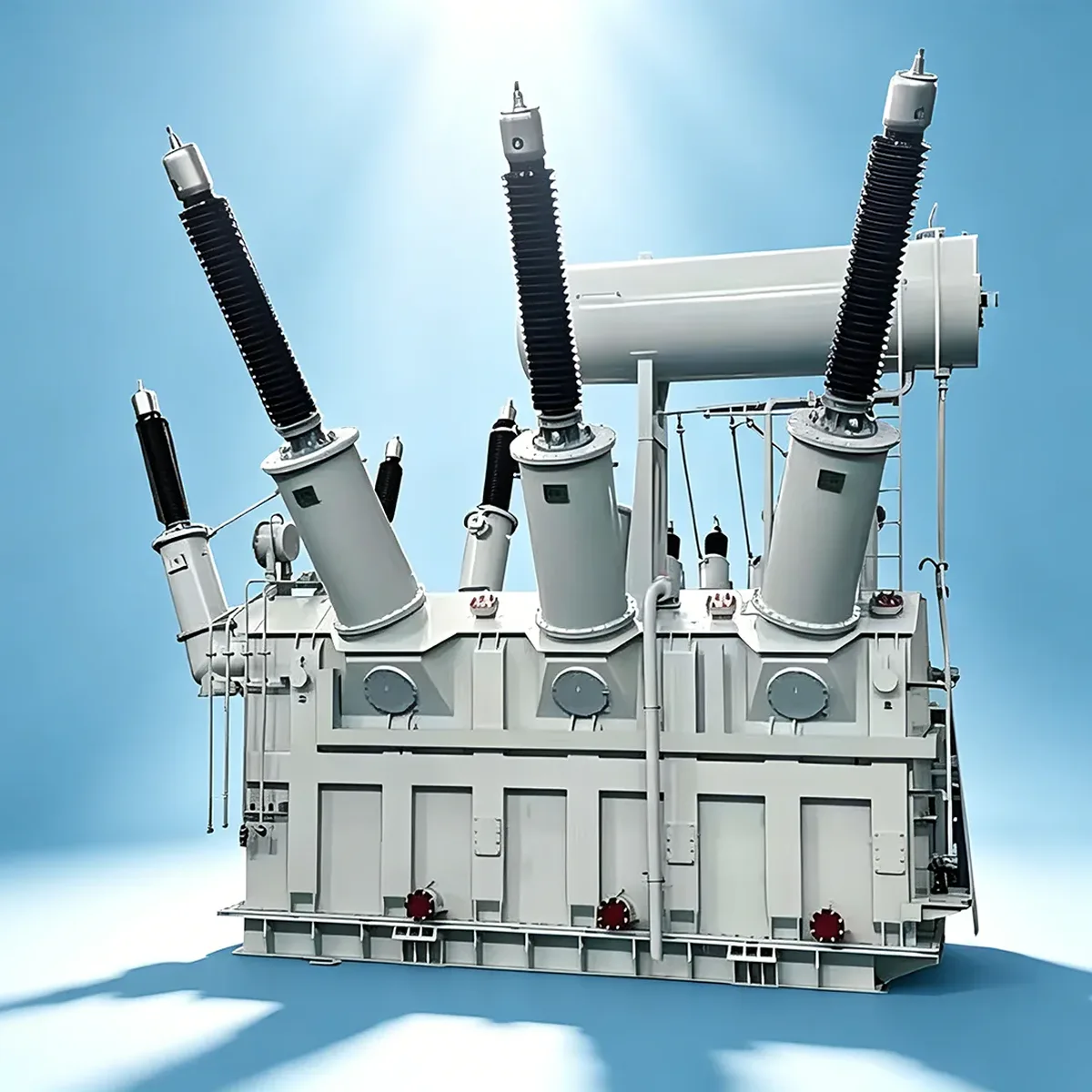
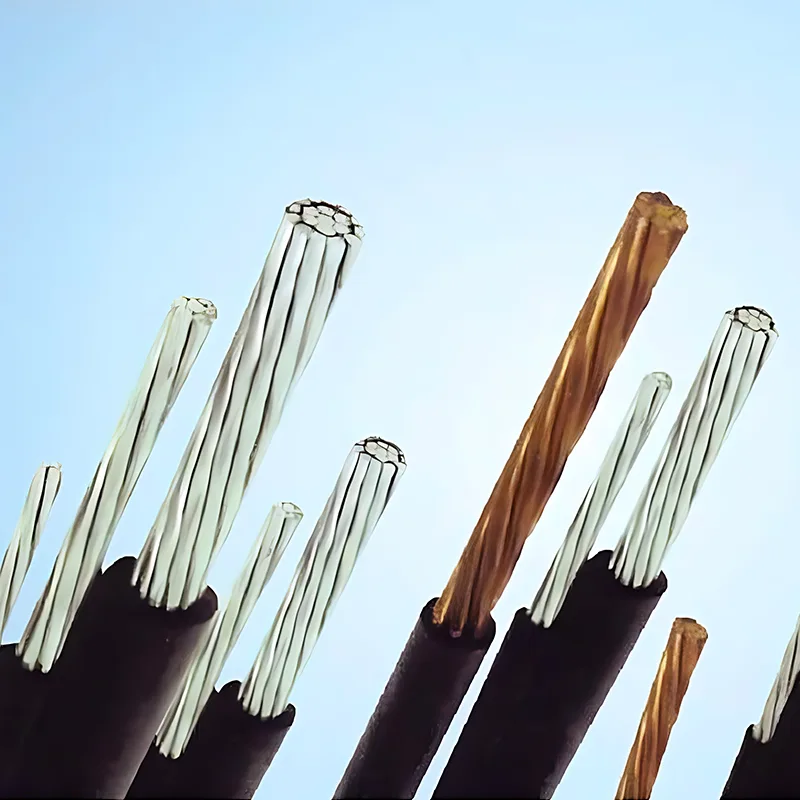
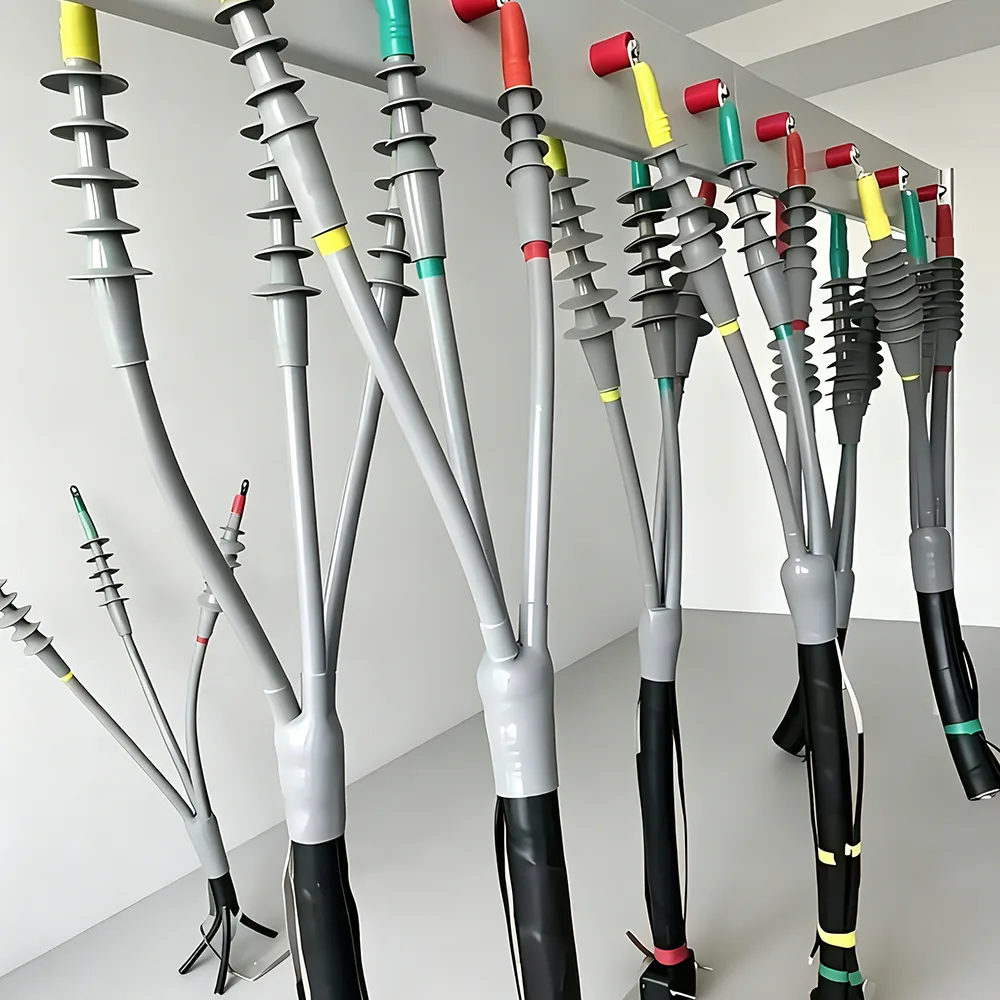
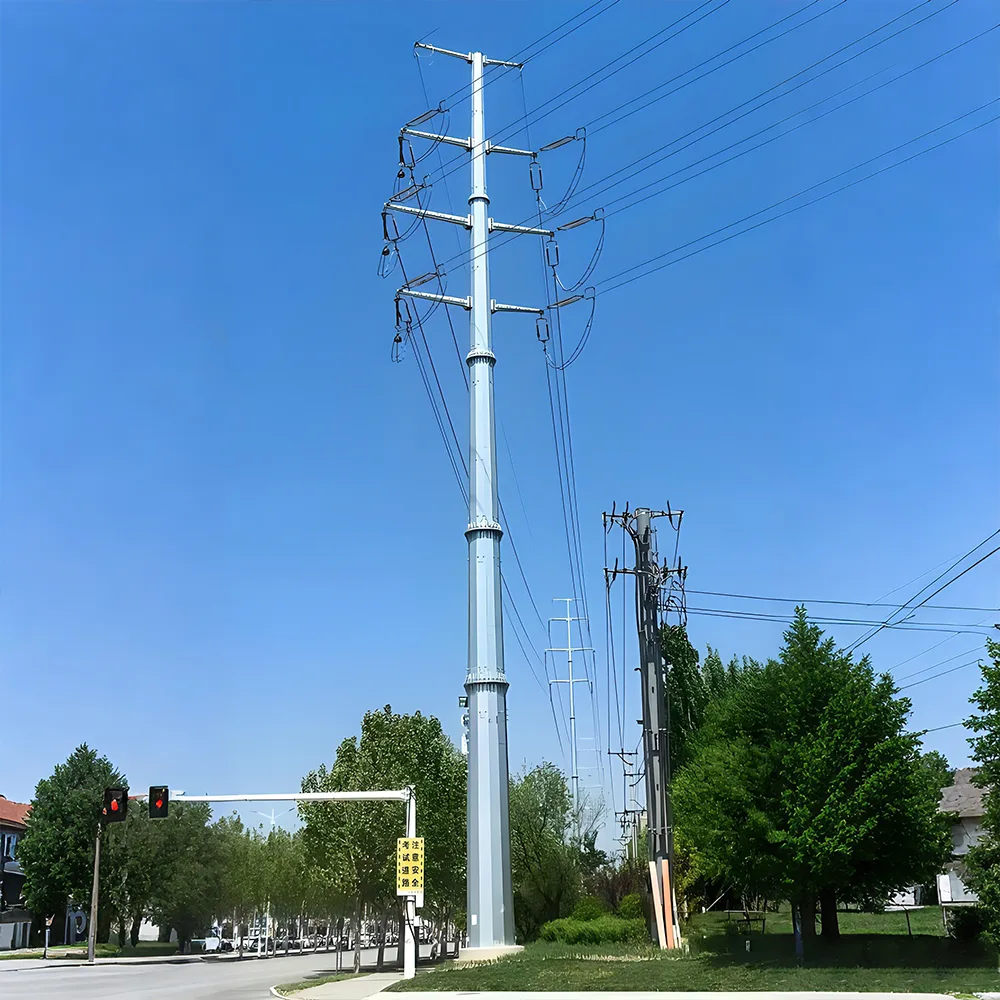
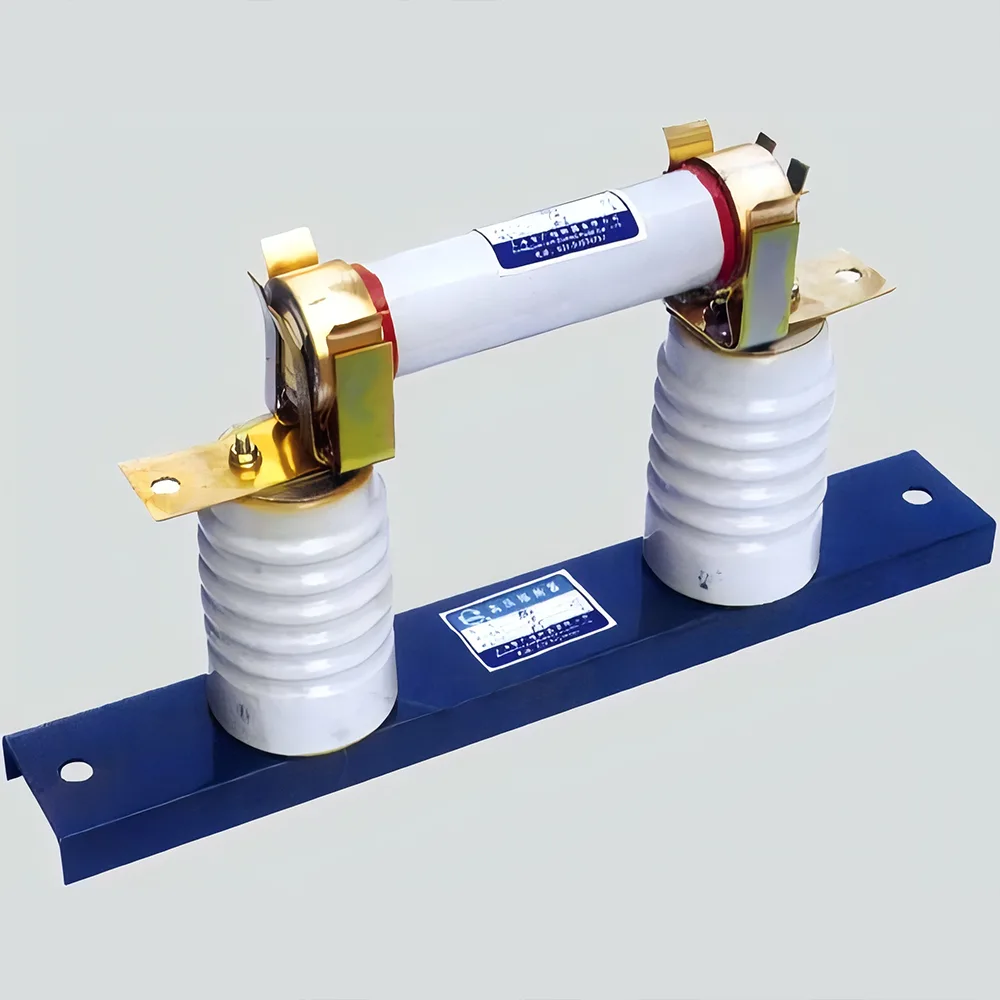
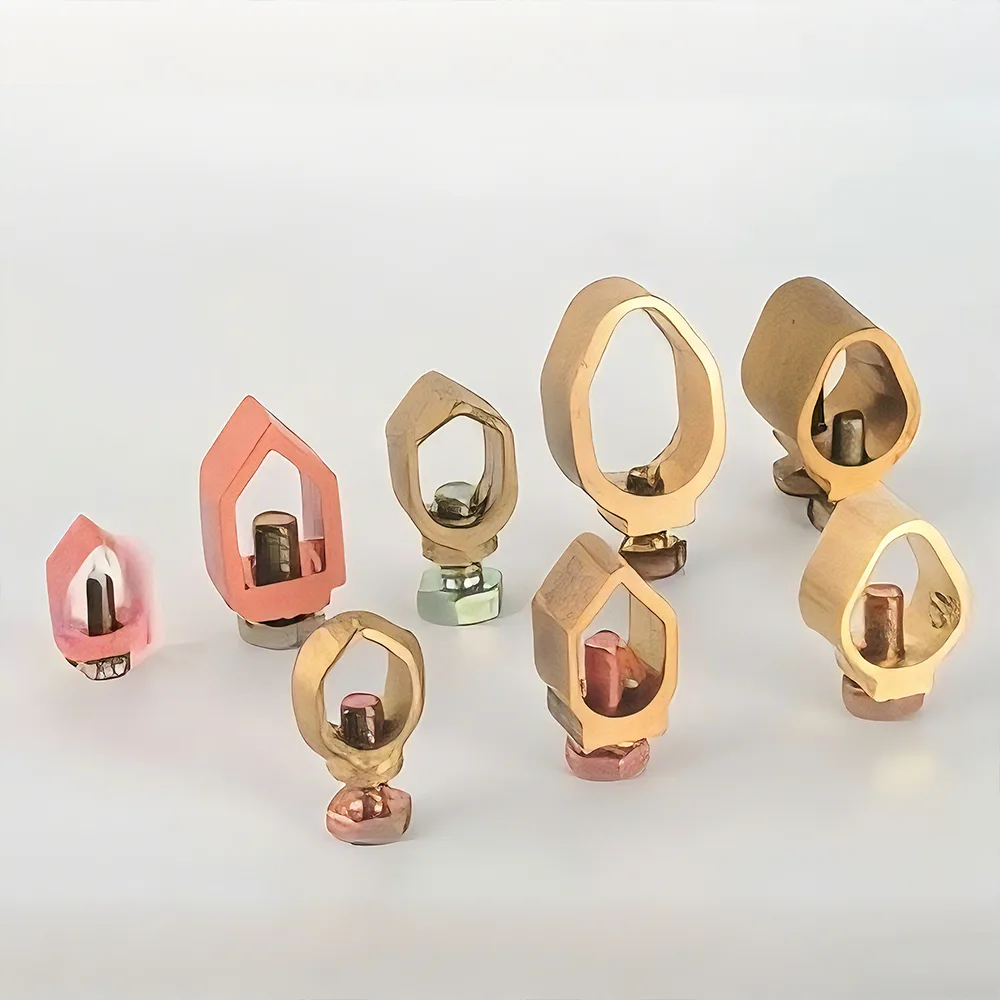
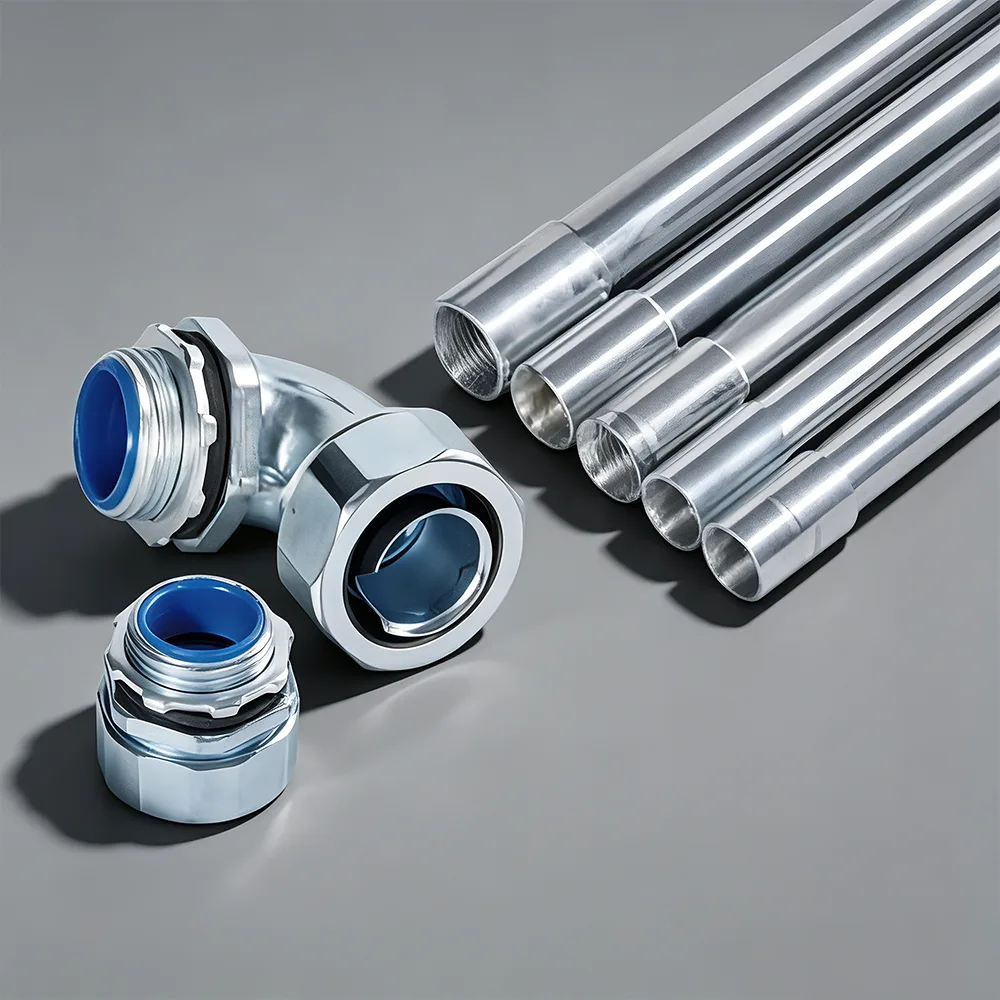
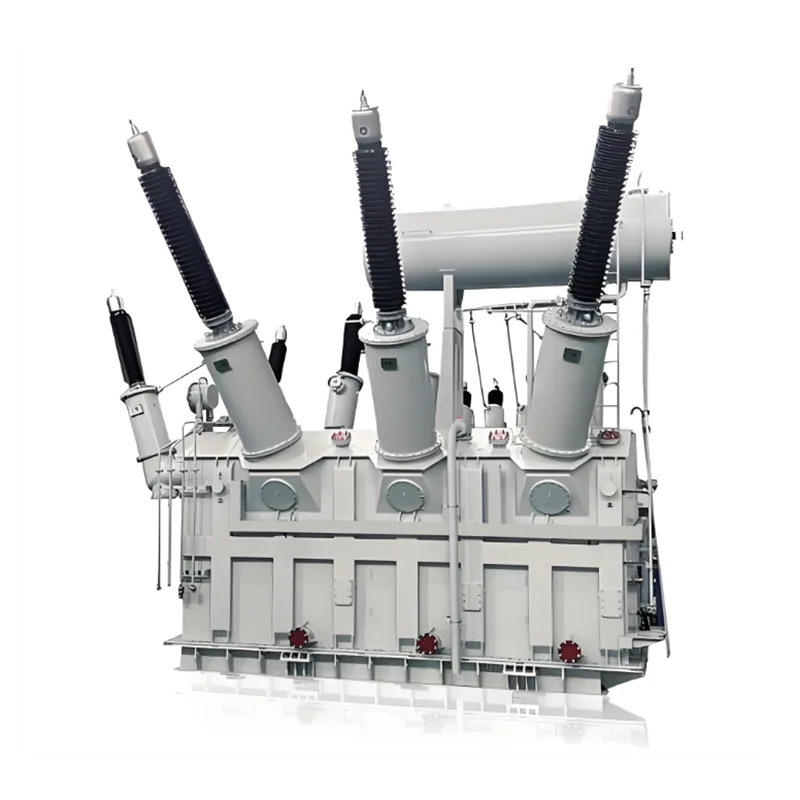
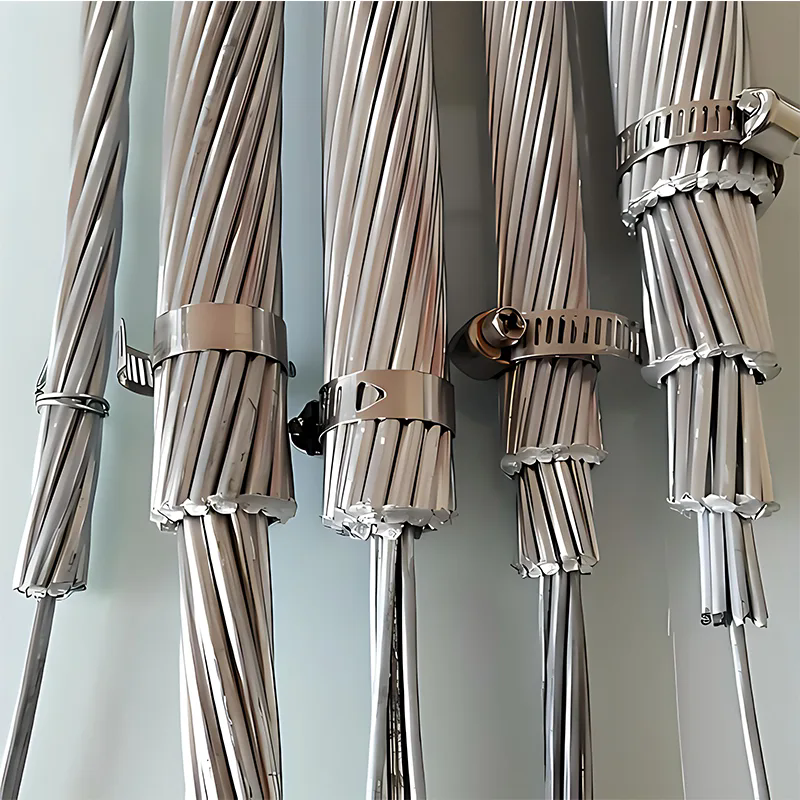
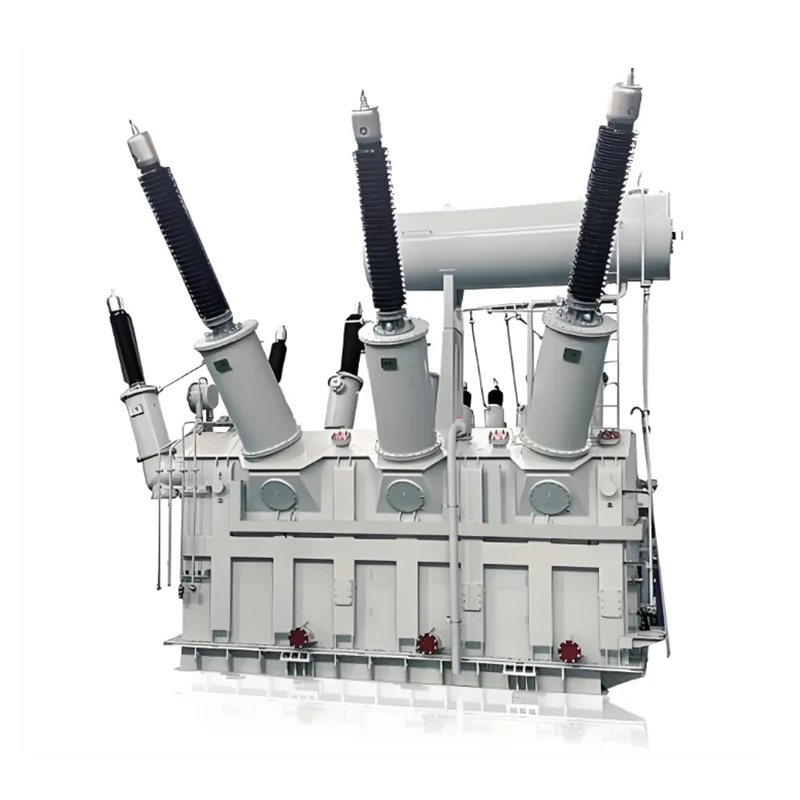
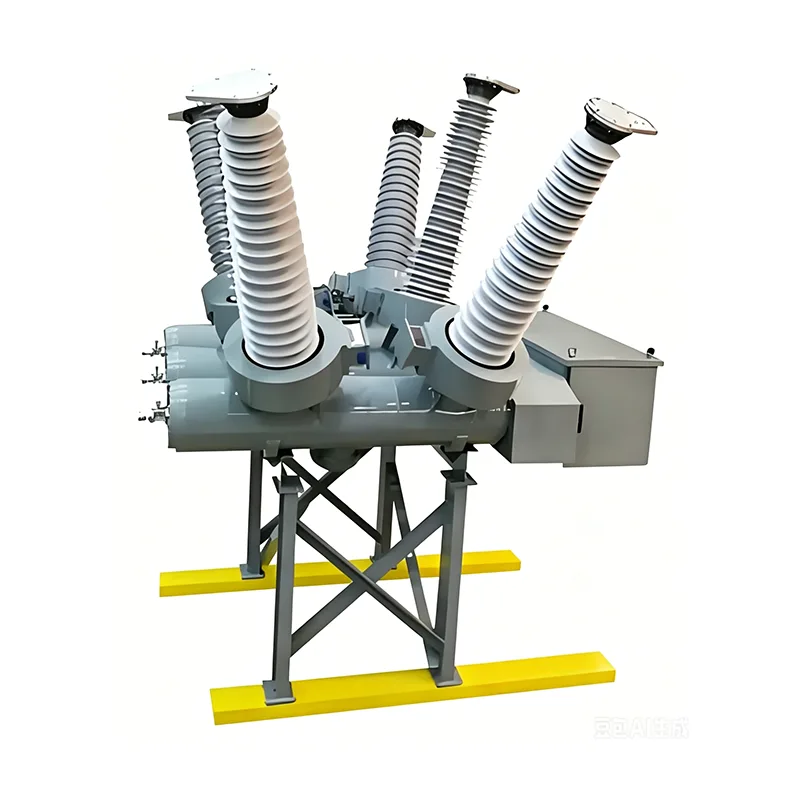
Aluminum Alloy Cables are essential products within power cables, wires and transmission line fitting categories, playing a vital role in modern power systems. Featuring light weight, cost efficiency and sound electrical conductivity, they have become the preferred option for high-voltage power transmission, long-distance power delivery and large-scale grid construction projects across the globe.
Core Advantages of Aluminum Alloy Cables
-
Exceptional Lightweight: With a density of 2.7 g/cm³, roughly one-third that of copper, aluminum alloy cables reduce tower loads by up to 60%. They greatly cut transportation and installation expenses and boost the construction efficiency of long-distance overhead lines by more than 30%.
-
Superior Cost Efficiency: The price of aluminum is around one-third that of copper. To achieve the same current-carrying capacity, aluminum alloy cables reduce material costs by 40% to 60%, making them ideal for national key strategic projects such as the West-to-East Power Transmission Project.
-
Reliable Electrical Conductivity: Aluminum boasts a conductivity of 35.5 MS/m (61% IACS). Increasing the cross-sectional area by 10% to 20% can match the current-carrying capacity of copper cables, fully meeting most power transmission demands.
-
Natural Corrosion Resistance: A dense aluminum oxide film forms on the cable surface to block further corrosion, extending maintenance cycles for outdoor and coastal service scenarios.
-
Excellent Thermal Performance: Aluminum features high thermal conductivity of 237 W/(m·K) to facilitate efficient heat dissipation, offering stronger overload capacity and lower operating temperatures under identical loads.
-
Environmental Sustainability: Aluminum enjoys a high recycling rate with stable recycled performance. This conforms to the development concept of green power grids and helps reduce carbon emissions.
Comprehensive Application Scenarios
High-Voltage and Ultra-High-Voltage Transmission
-
Long-distance power transmission projects ranging from 110 kV to 1000 kV, where aluminum conductor steel-reinforced cables (ACSR) occupy over 95% of market share
-
Cross-regional grid interconnection projects crossing rivers, valleys and complex landforms
-
Grid capacity expansion projects adopting heat-resistant aluminum alloy strands to increase transmission capacity by over 100% without replacing original towers
Urban and Rural Distribution Networks
-
10 kV to 35 kV overhead lines in urban areas and industrial parks
-
Rural power grid upgrading projects to solve the last-mile power supply problem
-
Smart grid construction supporting the integration of distributed energy sources
Industrial and New Energy Applications
-
Power supply for large industrial parks and manufacturing bases
-
Collector lines and main transmission lines for photovoltaic power stations and wind farms
-
Power supply support for electric vehicle charging infrastructure
Specialized Applications
-
Traction power supply systems for subways and light rails
-
Temporary power supply for construction sites and emergency rescue works
-
Power supply for communication base stations in remote areas
Two Key Aluminum Conductor Types
1. Steel-Cored Aluminum Strands (ACSR)
Structure: High-strength single-strand or multi-strand steel core with externally twisted hard aluminum wires with air gaps retained
Key Features
-
Rational load distribution: The steel core bears more than 90% mechanical stress while aluminum strands conduct electricity
-
Tensile strength over 1200 MPa, enabling longer erection spans and fewer supporting towers
-
Excellent vibration resistance to effectively reduce strand breakage risks
-
Mature production technology, stable operation and low daily maintenance costs
Primary Applications
-
110 kV to 1000 kV long-distance overhead transmission lines
-
220 kV to 500 kV urban main power grid lines
-
Cross-river and cross-sea transmission projects
-
Capacity renovation of existing old power lines without tower reconstruction
2. Aluminum Alloy Strands (JLHA1/JLHA2 Series)
Structure: Twisted strands made of single 8xxx-series aluminum alloy wires doped with iron, magnesium and silicon elements
Key Features
-
Creep resistance three times higher than pure aluminum, close to copper cables, effectively avoiding loose connection failures
-
Tensile strength 50% higher than pure aluminum (160-250 MPa) with 30% elongation for better flexibility
-
Passes more than 96 hours neutral salt spray test for outstanding corrosion resistance
-
Maximum conductivity up to 52.5% IACS to lower power transmission losses
Primary Applications
-
Renovation of 10 kV to 35 kV urban distribution networks
-
Collector lines for new energy power stations
-
Rail transit traction power systems
-
Power infrastructure construction in coastal and mountainous regions
Aluminum vs Copper Cable Selection Guide
|
Selection Factor
|
Preferred for Aluminum Alloy Cables
|
Preferred for Copper Cables
|
|
Voltage Level
|
35kV and above overhead long-distance transmission
|
Low-voltage 0.4kV distribution, precision power equipment
|
|
Installation Method
|
Overhead laying, large spans and complex terrains
|
Direct burial, pipe laying and indoor wiring
|
|
Budget Planning
|
Large-scale infrastructure projects, temporary power supply
|
Core circuits and places with high safety standards
|
|
Mechanical Demand
|
Scenarios requiring high tensile resistance and light weight
|
Frequent bending and high-vibration working conditions
|
|
Service Environment
|
Open-air, coastal and mountainous areas
|
Severe chemical corrosion and high-temperature environments
|
Conclusion
Thanks to their superior lightweight, cost advantages, and stable operational performance, aluminum alloy cables have become indispensable core products in modern power systems. ACSR cables are widely adopted for high and ultra-high voltage long-distance power transmission and serve numerous major energy infrastructure projects. Meanwhile, high-performance aluminum alloy strands are widely applied in distribution networks and new energy sectors.
Huixing Zhongdian (Beijing) Electric Co., Ltd. supplies high-quality aluminum alloy cables and customized comprehensive power system solutions to meet diverse project requirements, helping customers build safe, efficient, eco-friendly and sustainable power grids.