


Huixing Zhongdian (Beijing) Electric Co.,Ltd.
News

How does GIS Substation improve modern power distribution systems?

2026-05-25 0 Leave me a message

Article Abstract
Gas Insulated Switchgear (GIS) Substation is a compact, highly reliable, and environmentally resilient solution for modern power transmission and distribution networks. This article explains its working principles, structure, advantages, applications, and maintenance considerations, helping utilities, engineers, and project planners understand how GIS substations solve land constraints, safety risks, and operational stability challenges in high-voltage environments.

High Voltage Transformer

Table of Contents


Project Outline

  • Understanding GIS substation structure and function
  • Analyzing insulation and switching technology
  • Evaluating operational advantages in urban grids
  • Comparing GIS with conventional air-insulated substations
  • Exploring maintenance and lifecycle considerations

Introduction

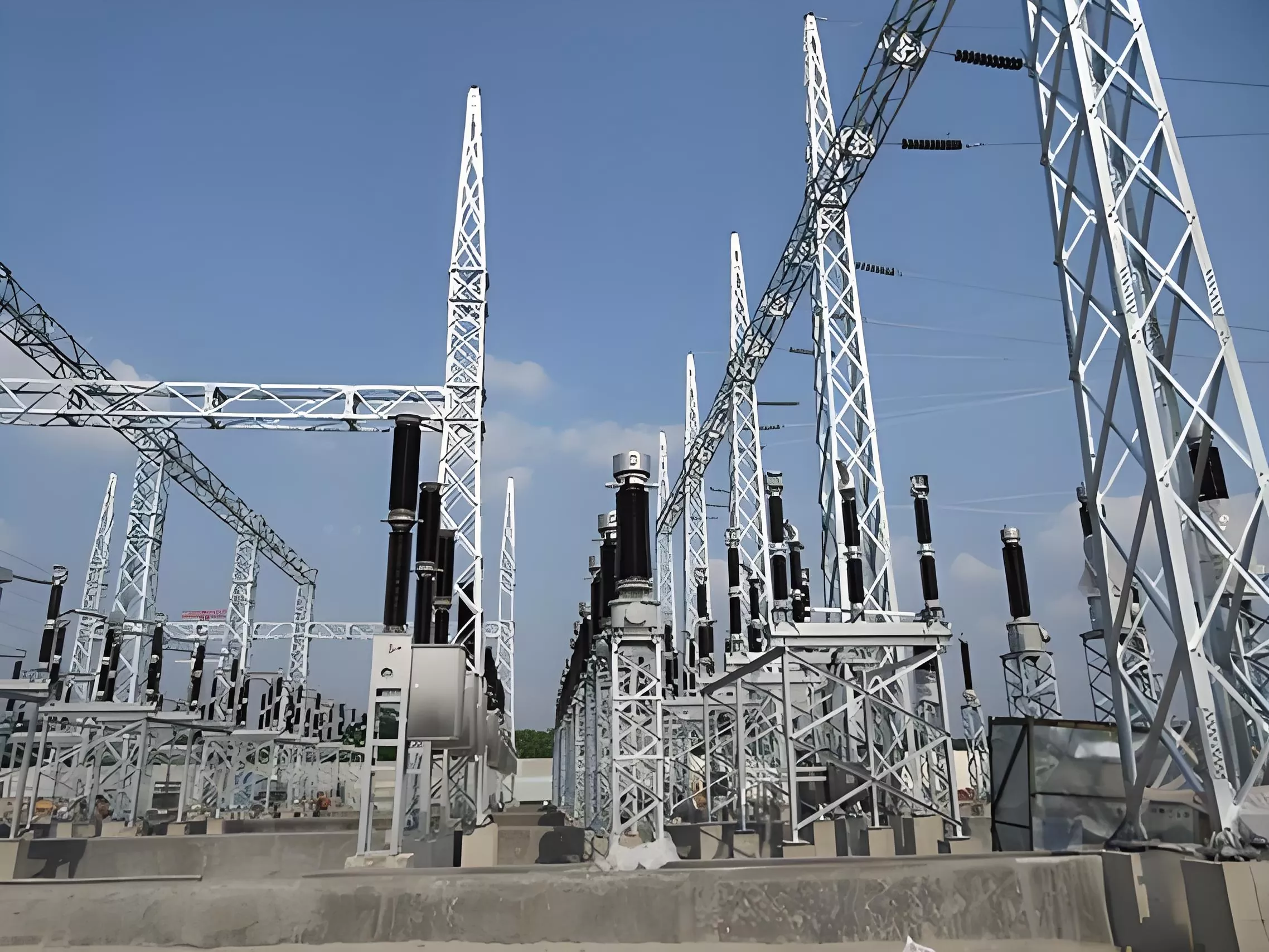
Modern electrical power systems require infrastructure that is compact, safe, and capable of operating under extreme environmental and urban constraints. Traditional air-insulated substations (AIS) often require large land areas and are exposed to environmental risks such as pollution, humidity, and weather fluctuations. This is where GIS substations play a transformative role.

A GIS substation integrates all high-voltage equipment within a sealed metal enclosure filled with insulating gas, significantly reducing space requirements while increasing operational reliability.


What is a GIS Substation?

A Gas Insulated Substation (GIS) is a type of high-voltage substation where key electrical components such as circuit breakers, disconnectors, busbars, and earthing switches are enclosed in a metal housing filled with sulfur hexafluoride (SF₆) gas or alternative insulating gases.

This design ensures electrical insulation and arc quenching in a compact environment, eliminating the need for large air clearances.


Core Components of GIS Substation

A GIS substation consists of several integrated components working together to ensure safe and efficient power flow:

  • Circuit Breakers: Interrupt fault currents safely within milliseconds.
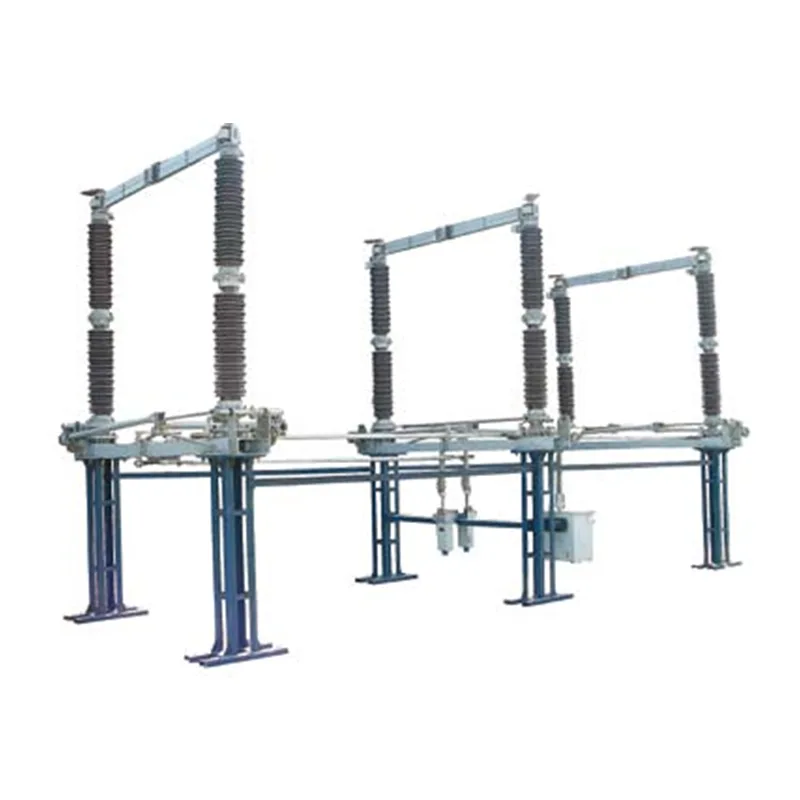
  • Disconnectors: Provide isolation for maintenance purposes.
  • Busbars: Conduct electrical power between components in a sealed environment.
  • Current Transformers: Measure electrical current for protection and monitoring.
  • Voltage Transformers: Step down voltage for measurement and control.
  • SF₆ Gas Insulation System: Provides dielectric strength and arc extinction.
  • Control & Protection System: Ensures automation, monitoring, and fault detection.

Working Principle of GIS Substation

The GIS substation operates by enclosing all live electrical components in a sealed environment filled with insulating gas. The gas provides high dielectric strength, preventing electrical discharge even at high voltages.

When a fault occurs, the circuit breaker inside the GIS rapidly interrupts the current flow by extinguishing the arc using the insulating gas. This process ensures system stability and prevents damage to downstream equipment.

Because the entire system is enclosed, external environmental factors such as dust, moisture, and pollution have minimal impact on performance.


Key Advantages of GIS Substation

GIS substations offer multiple technical and operational benefits compared to traditional substations:

  • Significant space reduction (up to 90% less footprint)
  • High operational safety due to sealed design
  • Reduced maintenance requirements
  • Superior performance in harsh environments
  • Lower risk of electrical faults caused by external factors
  • Long service life and high reliability

These advantages make GIS technology especially suitable for densely populated urban areas and industrial zones.


Applications of GIS Substation

GIS substations are widely used in various sectors where reliability and space efficiency are critical:

  • Urban power distribution networks
  • Underground substations in cities
  • Industrial manufacturing facilities
  • Hydropower and renewable energy plants
  • Transportation systems such as railways and metro networks

GIS vs Air-Insulated Substation (AIS)

Feature GIS Substation AIS Substation
Space Requirement Very compact Large area needed
Insulation Medium SF₆ Gas / Alternative gases Air
Maintenance Low Moderate to high
Environmental Protection High (sealed system) Exposed to environment
Installation Cost Higher initial cost Lower initial cost

Maintenance Considerations

Although GIS substations require less maintenance than traditional systems, periodic inspections are still essential to ensure long-term reliability.

  • Gas pressure monitoring to ensure insulation integrity
  • Routine inspection of control systems
  • Thermal imaging to detect abnormal heating
  • Periodic diagnostic testing of circuit breakers
  • Leak detection for sealed compartments

Proper maintenance planning significantly extends equipment lifespan and ensures stable grid performance.


FAQ

Q1: Why is SF₆ gas used in GIS substations?
SF₆ gas provides excellent dielectric strength and arc-quenching capability, making it ideal for high-voltage insulation in compact spaces.

Q2: Are GIS substations environmentally safe?
Yes, they reduce land usage and exposure risks, although proper gas handling is required to manage environmental considerations.

Q3: What is the lifespan of a GIS substation?
With proper maintenance, GIS substations can operate efficiently for 30–50 years.

Q4: Where are GIS substations most commonly used?
They are widely used in urban power grids, underground installations, and industrial facilities with limited space.

Q5: Can GIS be expanded easily?
Yes, modular GIS designs allow for scalable expansion depending on system requirements.


Conclusion

GIS substations represent a major advancement in modern electrical infrastructure, offering compact design, enhanced safety, and high reliability. Their ability to perform in challenging environments makes them a preferred solution for urban and industrial power systems.

As power demand continues to grow, adopting advanced substation technologies becomes increasingly important for ensuring grid stability and efficiency. Solutions provided by Huixing Zhongdian (Beijing) Electric Co., Ltd. support the development of robust and future-ready electrical networks.


Contact Us

For more detailed technical specifications, customized solutions, or project consultation regarding GIS Substation systems, please reach out to Huixing Zhongdian (Beijing) Electric Co., Ltd. Our engineering team is ready to support your power infrastructure needs with professional expertise and reliable solutions.

Contact us today to discuss your project requirements and receive tailored technical support.

Related News
Leave me a message
X
We use cookies to offer you a better browsing experience, analyze site traffic and personalize content. By using this site, you agree to our use of cookies. Privacy Policy
Reject Accept