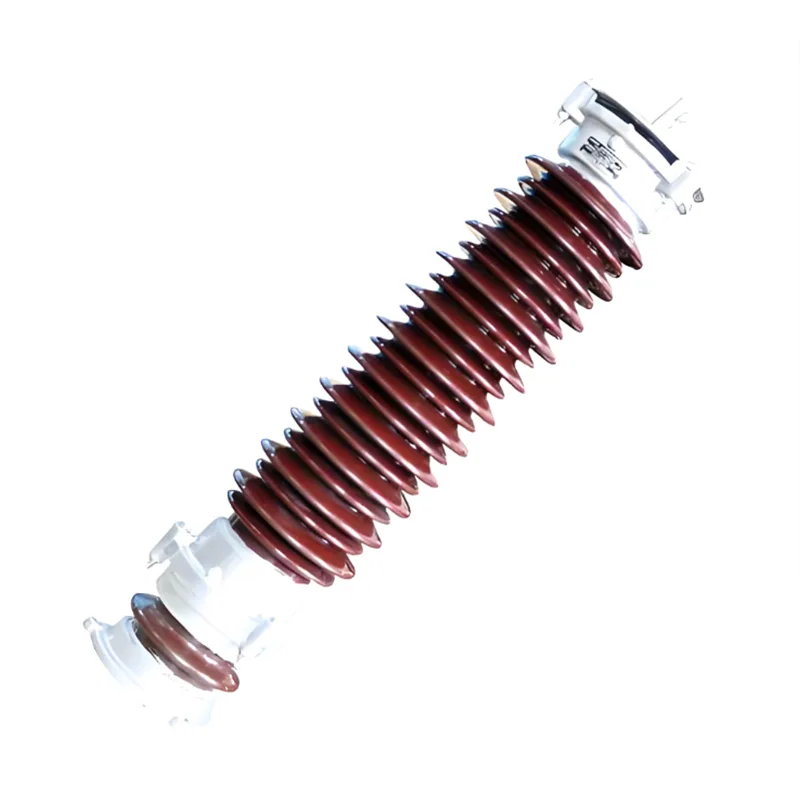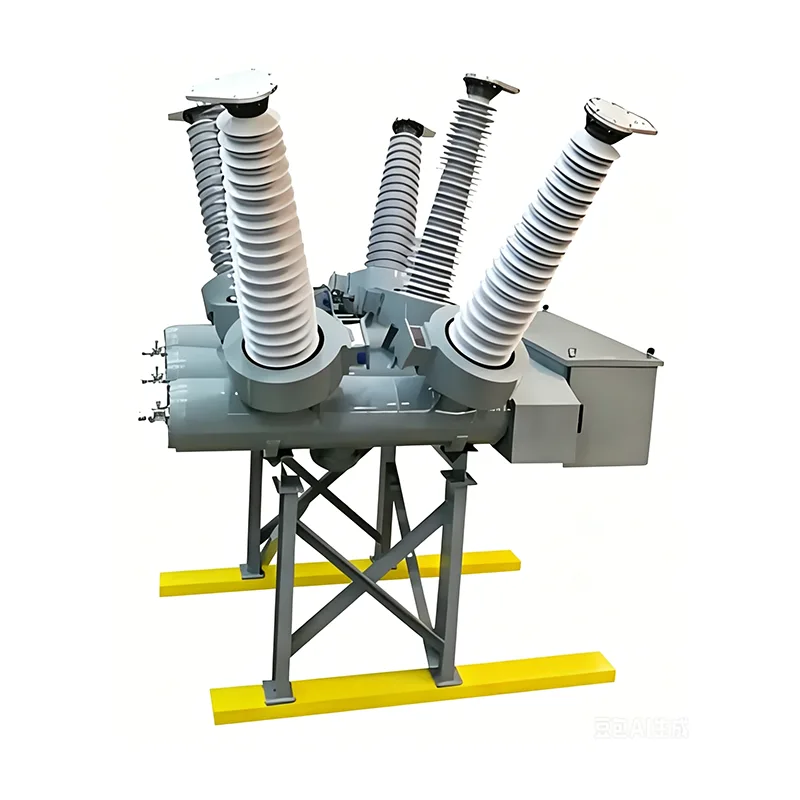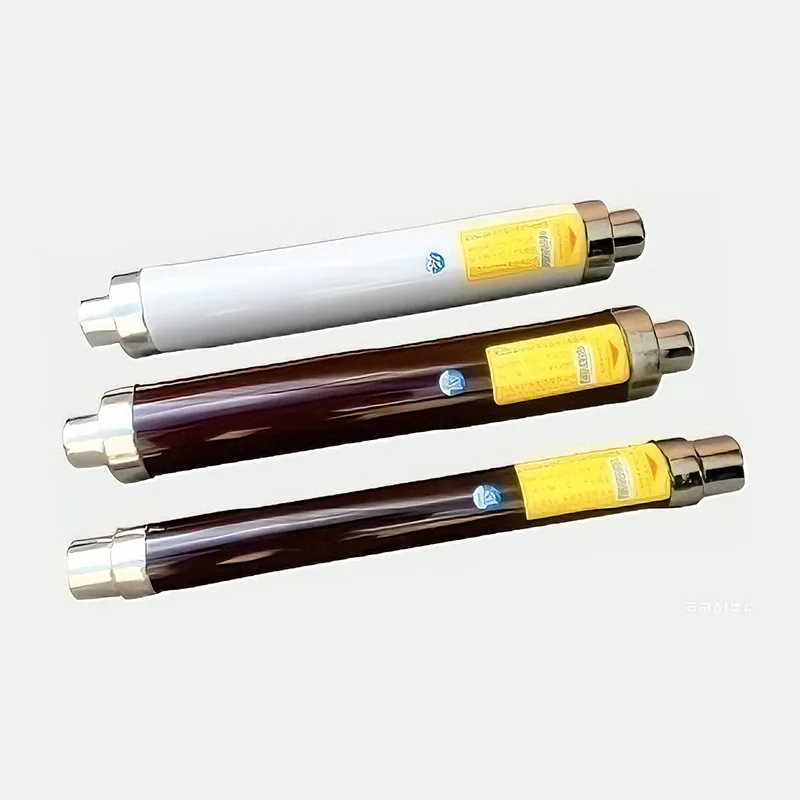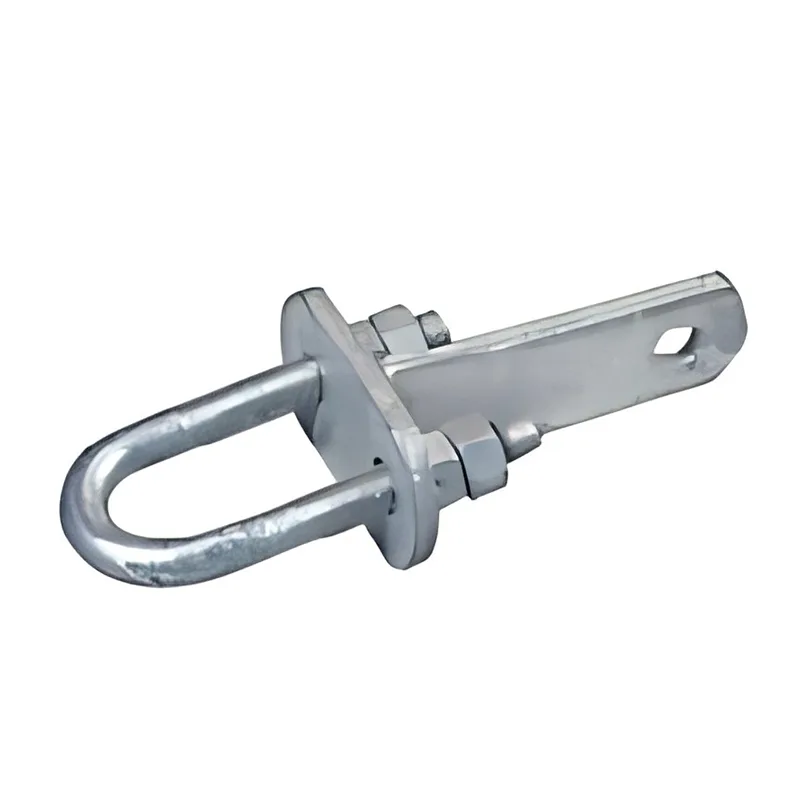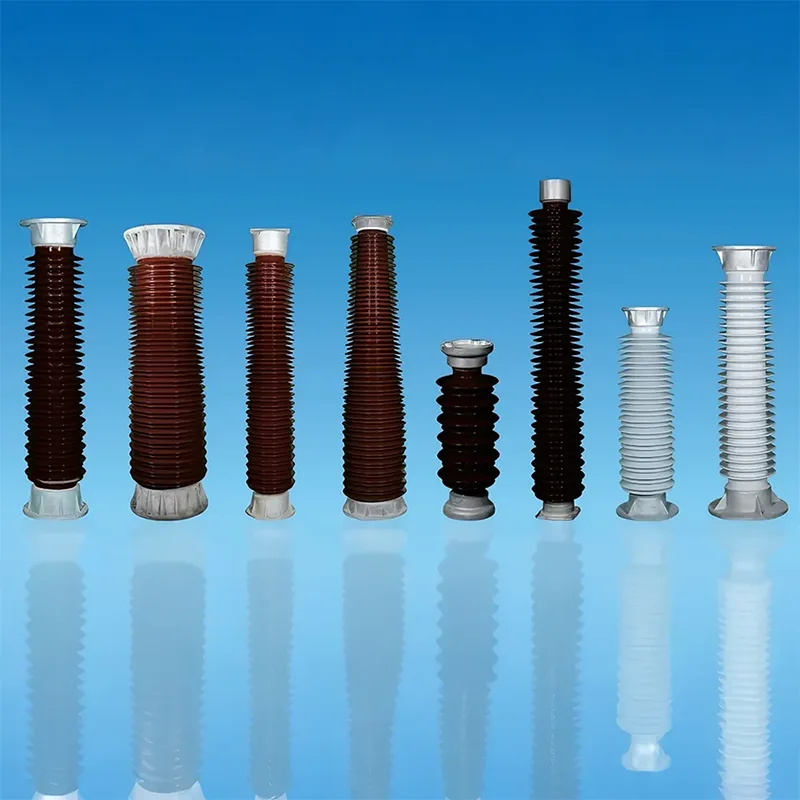

Huixing supplies Medium Voltage Surge Arresters designed for 10–35kV power distribution systems, helping protect transformers, switchgear, cable terminations, overhead lines, and substation equipment from damaging transient overvoltages. With a gapless zinc oxide design, these arresters provide rapid surge suppression, reliable outdoor performance, and reduced maintenance requirements for demanding utility and industrial applications.
Medium-voltage distribution networks face transient overvoltages caused by lightning strikes and switching operations. If these surges are not controlled, they can stress insulation, damage electrical equipment, interrupt power delivery, and increase maintenance costs. Medium Voltage Surge Arresters provide a dedicated path for surge energy while maintaining high resistance during normal operating conditions. Huixing offers solutions for 10–35kV grids, using gapless zinc oxide technology and silicone rubber composite or porcelain housings. Their application covers overhead distribution lines, transformers, switchgear, substations, cable transitions, and outdoor distribution equipment. Selecting the correct rated voltage, MCOV, discharge capability, installation location, and environmental design is essential for dependable overvoltage protection.
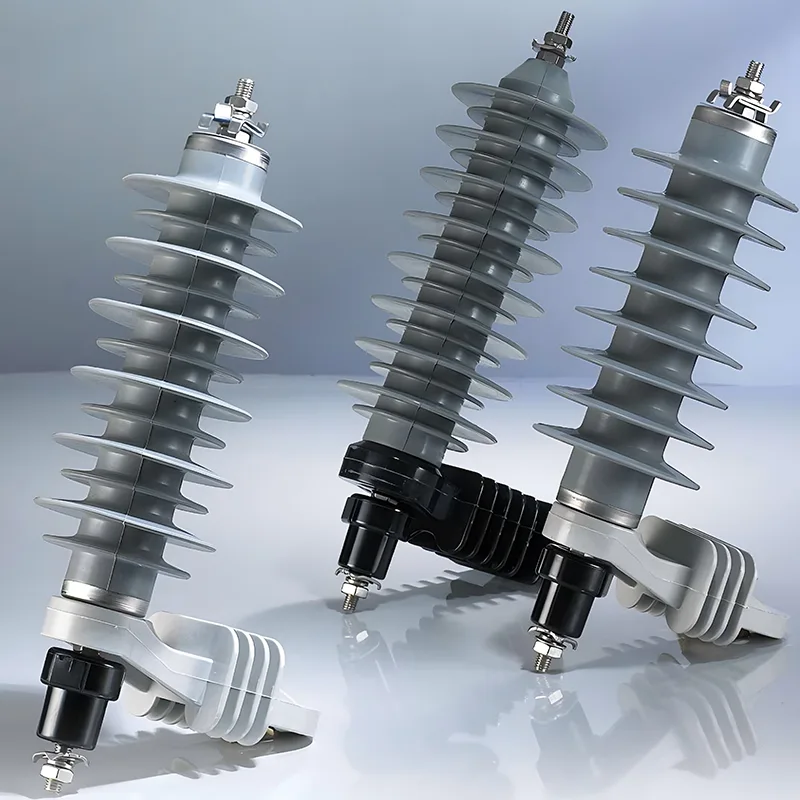
Table of Contents
- What Are Medium Voltage Surge Arresters?
- How Do Medium Voltage Surge Arresters Work?
- Where Are Medium Voltage Surge Arresters Used?
- What Are the Key Performance Advantages?
- How Should You Select the Right Surge Arrester?
- Understanding Technical Specifications
- Installation and Maintenance Considerations
- Frequently Asked Questions
- Conclusion
What Are Medium Voltage Surge Arresters?
Medium Voltage Surge Arresters are protective electrical devices installed in medium-voltage distribution networks to limit transient overvoltages. They are particularly important in 10–35kV systems, where lightning impulses and switching events can generate voltage levels significantly above normal operating conditions.
The basic purpose of a surge arrester is to prevent excessive transient voltage from reaching sensitive electrical equipment. Under normal system voltage, the arrester remains highly resistive and allows only a small leakage current. When a surge occurs, its nonlinear zinc oxide elements rapidly reduce their resistance and conduct the surge current toward ground.
This operating principle allows the arrester to act as a protective barrier between the electrical network and valuable equipment. Properly coordinated protection can help reduce insulation stress, equipment failure, unplanned outages, and associated maintenance costs.
How Do Medium Voltage Surge Arresters Work?
Modern gapless arresters commonly use metal-oxide varistor technology based on zinc oxide. The nonlinear electrical characteristics of zinc oxide allow the device to respond differently depending on the applied voltage.
- Normal operation: The arrester operates at the system's normal voltage while maintaining a very low leakage current.
- Surge occurrence: A lightning strike or switching operation produces a rapid transient overvoltage.
- Rapid conduction: The zinc oxide elements become highly conductive as the voltage rises.
- Energy discharge: Excess surge energy is diverted safely through the arrester's grounding path.
- Voltage recovery: After the transient disappears, the arrester returns to its high-resistance operating state.
The absence of a conventional series gap also eliminates certain gap-related aging and insulation issues. This makes the gapless configuration particularly suitable for continuous protection in modern distribution systems.
Where Are Medium Voltage Surge Arresters Used?
Medium-voltage surge protection can be deployed at multiple points throughout a distribution network. The correct location depends on the network configuration, equipment insulation level, exposure to lightning, and expected transient conditions.
Overhead Distribution Lines
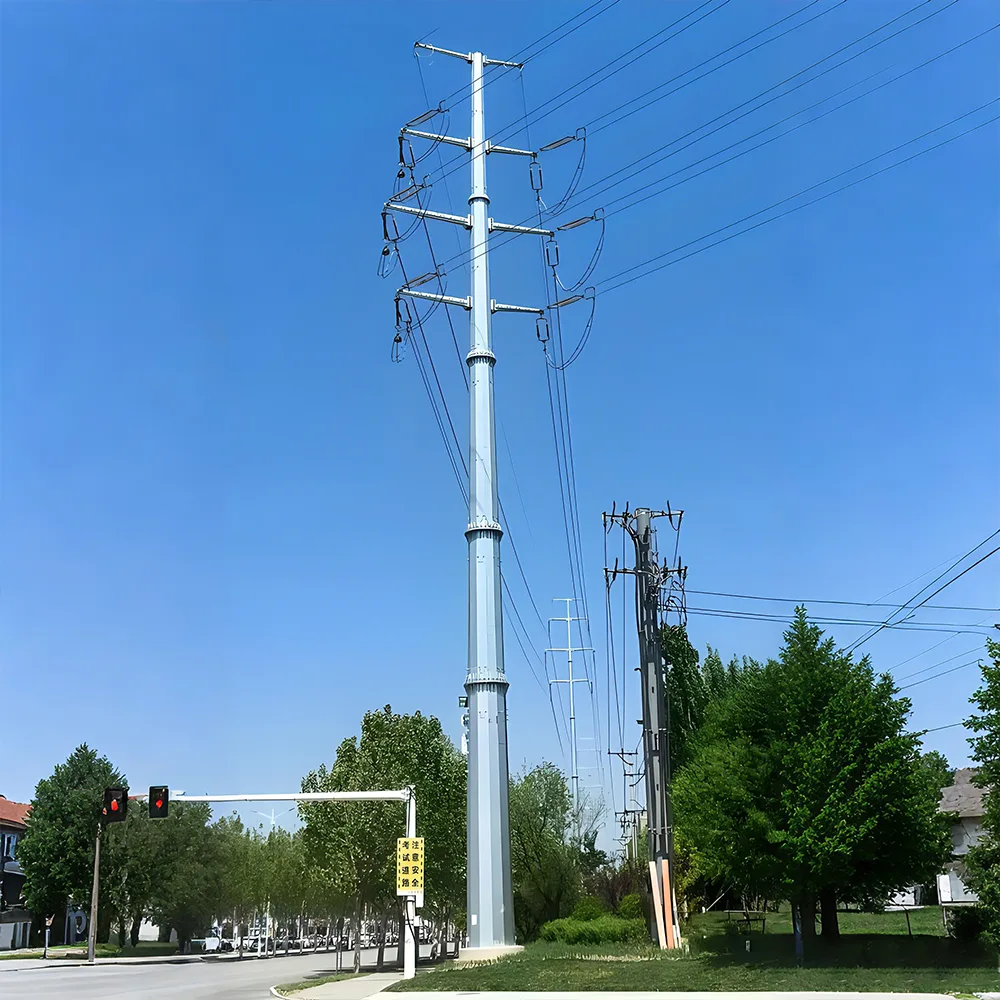
Arresters can be installed on trunk lines, branch lines, and line corners of 10–35kV overhead networks. These locations are particularly exposed to lightning activity and atmospheric conditions. Surge protection helps limit transient stress on line insulation and connected equipment.
Distribution Transformers and Switchgear
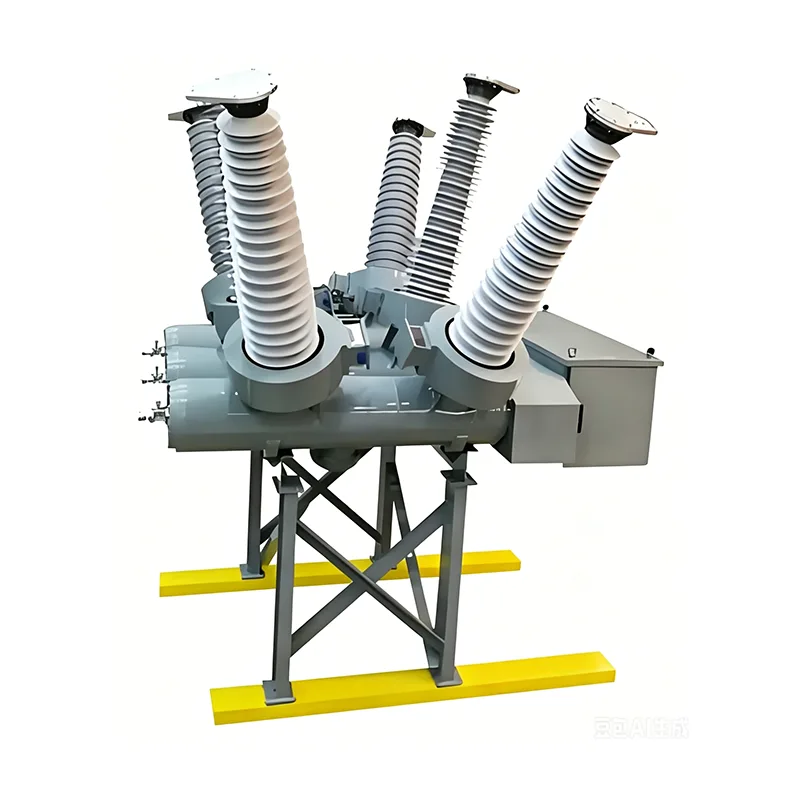
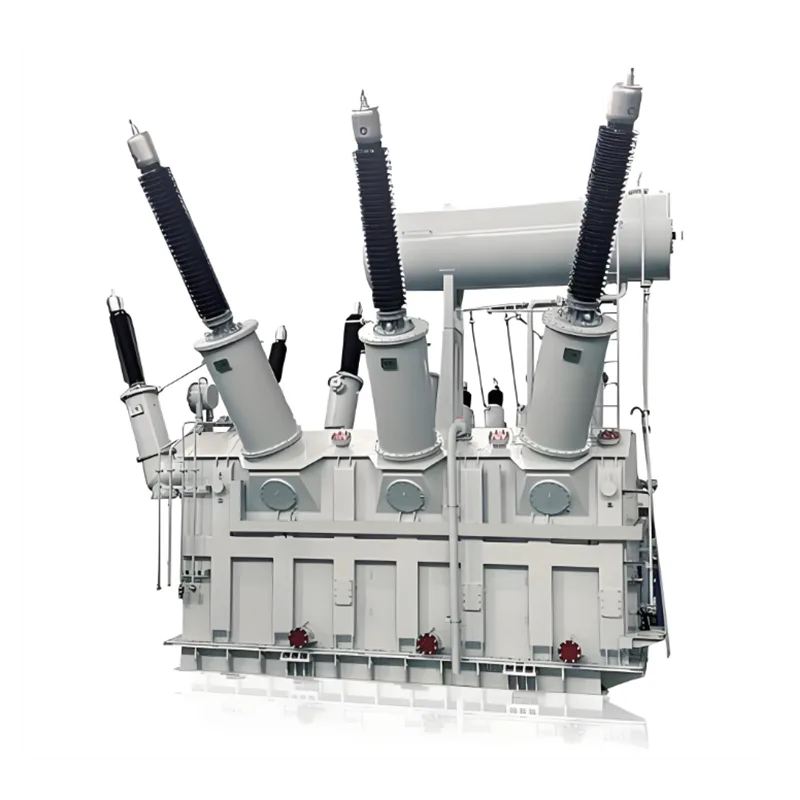
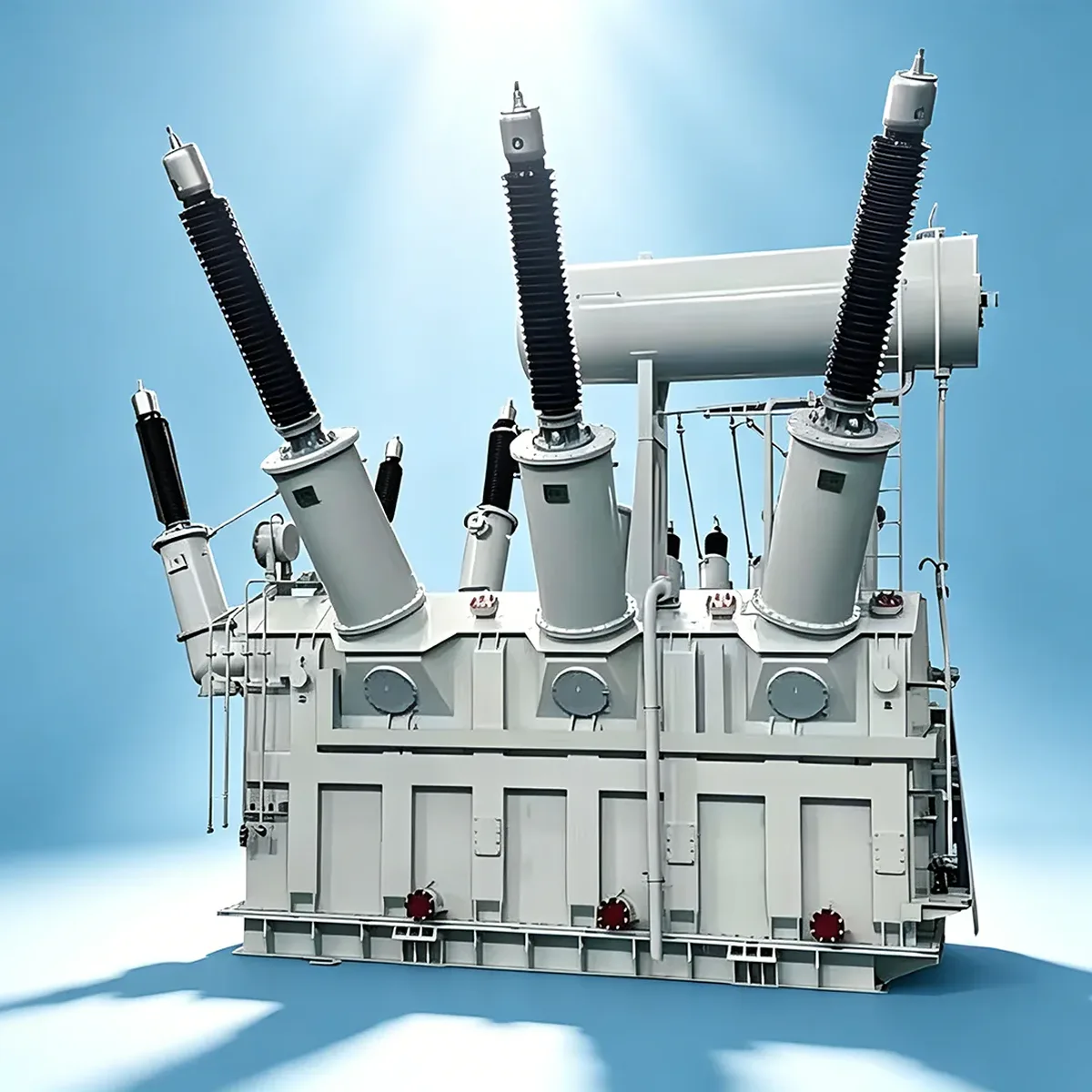
Installing arresters near medium-voltage transformers, switchgear, and other critical equipment helps prevent excessive surge voltage from reaching their insulation systems. This is especially important where expensive equipment represents a major part of the network investment.
Substations
Substation applications may include busbar sections, instrument transformer circuits, reactive power compensation equipment, and other medium-voltage installations. Coordinated surge protection helps improve the overall insulation protection strategy.
Cable-to-Overhead Transitions
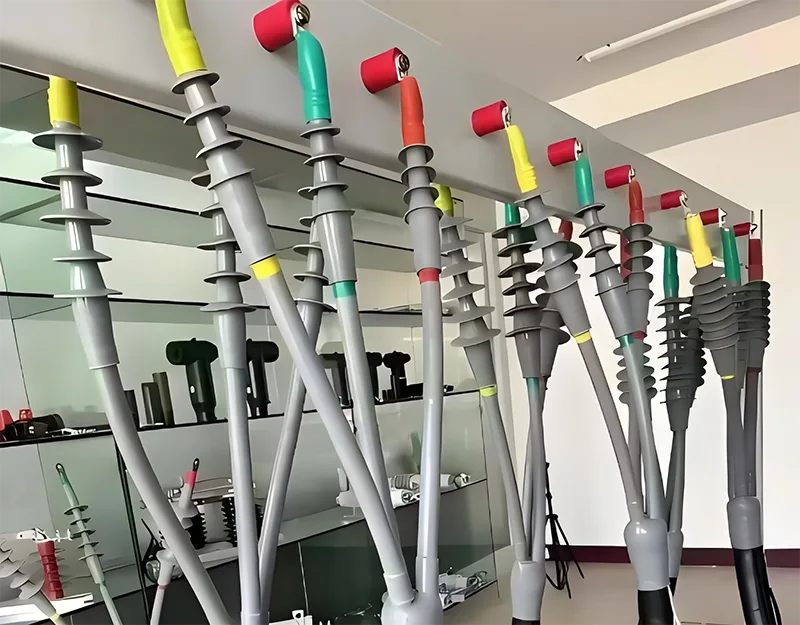
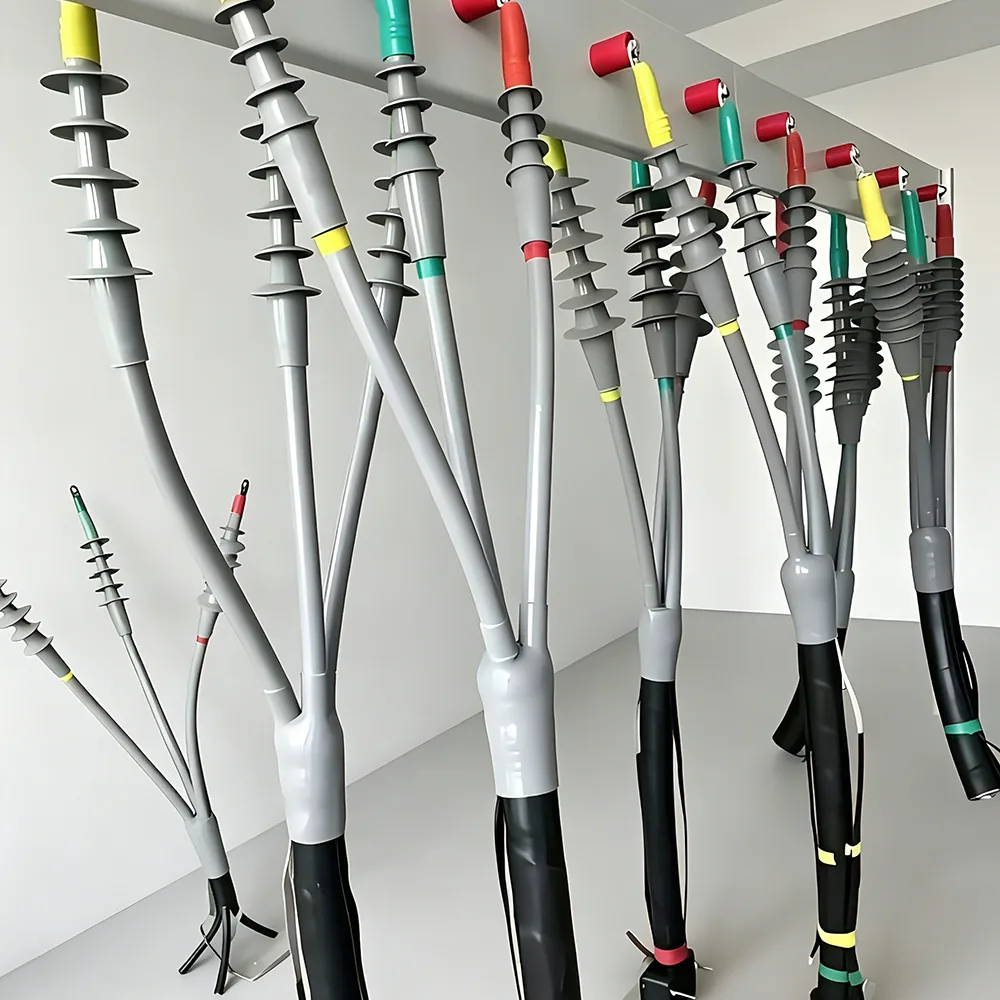
Locations where underground cables connect with overhead lines can experience different transient conditions. Surge arresters can be positioned at these transition points to reduce the voltage stress transferred into cable systems and connected equipment.
Outdoor Distribution Equipment
Outdoor electrical equipment must withstand humidity, pollution, temperature variations, and other environmental stresses. Arrester housings made from suitable silicone rubber composites or porcelain can provide the mechanical and environmental protection required for outdoor deployment.
What Are the Key Performance Advantages?
A properly engineered arrester should provide more than basic surge diversion. Its construction, electrical characteristics, environmental resistance, and maintenance requirements all affect long-term performance.
- Fast transient response: Zinc oxide technology enables rapid response to abnormal voltage conditions.
- Effective energy discharge: The arrester diverts excessive surge energy away from protected equipment.
- Low leakage during normal operation: The nonlinear characteristics maintain high resistance under normal system voltage.
- Weather resistance: Suitable housing materials help the arrester withstand outdoor humidity and pollution.
- Low maintenance requirements: The relatively simple gapless structure supports routine visual inspection rather than complex daily maintenance.
- Flexible application: Different rated-voltage configurations can support a broad range of medium-voltage networks.
- Improved equipment protection: Surge limitation helps reduce electrical stress on transformers, switchgear, cables, and insulation systems.
How Should You Select the Right Surge Arrester?
Choosing an arrester should be based on the actual electrical and environmental conditions rather than rated voltage alone. Engineers and purchasing teams should review several parameters before selecting a model.
- System voltage: Confirm the nominal and maximum operating voltage of the network.
- MCOV: Select a maximum continuous operating voltage appropriate for the system and grounding arrangement.
- Surge exposure: Consider lightning activity, overhead-line exposure, switching events, and network configuration.
- Discharge capability: Check lightning impulse and switching impulse characteristics against the expected application.
- Housing material: Consider silicone rubber composite or porcelain according to mechanical and environmental requirements.
- Installation environment: Evaluate humidity, pollution, altitude, temperature, and outdoor exposure.
- Coordination with equipment: Ensure the arrester's protective characteristics are coordinated with the insulation levels of downstream equipment.
For procurement projects, it is also useful to confirm technical drawings, applicable standards, inspection requirements, packaging, delivery conditions, and customization capabilities with the electrical equipment manufacturer before placing an order.
Understanding Technical Specifications
Technical specifications provide the information required to match an arrester with a particular medium-voltage network. Huixing's product range includes YH5W models covering different rated-voltage levels, with corresponding MCOV and impulse-current parameters.
| MOA Type | Rated Voltage (kV) | MCOV (kV) | 1/10 μs Steep Current (kA) | 8/20 μs Lightning Current (kA) | 30/60 μs Switching Current (kA) |
|---|---|---|---|---|---|
| YH5W-3 | 3 | 2.55 | 11.3 | 9 | 8.90 |
| YH5W-6 | 6 | 5.10 | 22.6 | 18 | 16.8 |
| YH5W-10 | 10 | 8.40 | 36.0 | 30 | 26.4 |
| YH5W-15 | 15 | 12.7 | 51.0 | 45 | 38.5 |
| YH5W-24 | 24 | 19.5 | 82.0 | 72 | 62.6 |
| YH5W-30 | 30 | 24.4 | 102 | 90 | 79.0 |
| YH5W-33 | 33 | 27.5 | 112 | 99 | 86.7 |
The full product range extends across additional voltage levels, including 36kV, 39kV, 42kV, 45kV, 48kV, 51kV, 54kV, 60kV, 66kV, and 69kV models. The appropriate configuration should always be determined from the actual system requirements and engineering specifications.
Installation and Maintenance Considerations
Even a technically capable arrester requires appropriate installation to achieve effective protection. The connection between the arrester, protected equipment, and grounding system should be designed to minimize unnecessary lead length and impedance during a fast transient event.
Routine maintenance should include visual inspection and verification of the installation condition. Particular attention should be paid to:
- Housing condition and signs of mechanical damage.
- Connection and grounding integrity.
- Evidence of contamination or abnormal environmental exposure.
- Signs of overheating or abnormal discharge activity.
- Compatibility between the arrester rating and the actual system voltage.
For outdoor installations, environmental conditions should be considered throughout the product's service life. Correct installation, grounding, inspection, and replacement procedures are essential parts of an effective surge protection strategy.
Frequently Asked Questions
What voltage systems are Medium Voltage Surge Arresters designed for?
Huixing provides medium-voltage surge arresters for 10–35kV power distribution applications, with multiple YH5W configurations available for different electrical requirements.
What is the main function of a surge arrester?
A surge arrester limits transient overvoltage caused by events such as lightning strikes and switching operations. It diverts excessive surge energy through a controlled discharge path to help protect electrical equipment and insulation.
Why is zinc oxide used in modern surge arresters?
Zinc oxide has strongly nonlinear voltage-current characteristics. It can maintain relatively high resistance during normal operation while becoming highly conductive during an overvoltage event, enabling rapid surge limitation without relying on a traditional series gap.
Where should a medium-voltage surge arrester be installed?
Typical locations include overhead distribution lines, transformer terminals, switchgear, substations, cable-to-overhead transitions, and outdoor distribution equipment. The final installation point should be determined according to the system protection design.
What should buyers check before ordering?
Buyers should verify system voltage, MCOV, impulse-current requirements, grounding arrangement, housing material, environmental conditions, applicable technical standards, installation dimensions, inspection requirements, and project-specific documentation.
Conclusion
Medium Voltage Surge Arresters play an important role in protecting 10–35kV distribution infrastructure against transient overvoltages from lightning and switching operations. Gapless zinc oxide technology, appropriate MCOV selection, suitable housing materials, and correct installation can work together to improve equipment protection and network reliability. Huixing provides multiple arrester configurations for distribution lines, substations, transformers, switchgear, cable connections, and outdoor electrical equipment. If you are planning a new distribution project or replacing existing surge protection equipment, contact us to discuss your voltage level, technical requirements, application environment, and customized procurement needs with the Huixing team.