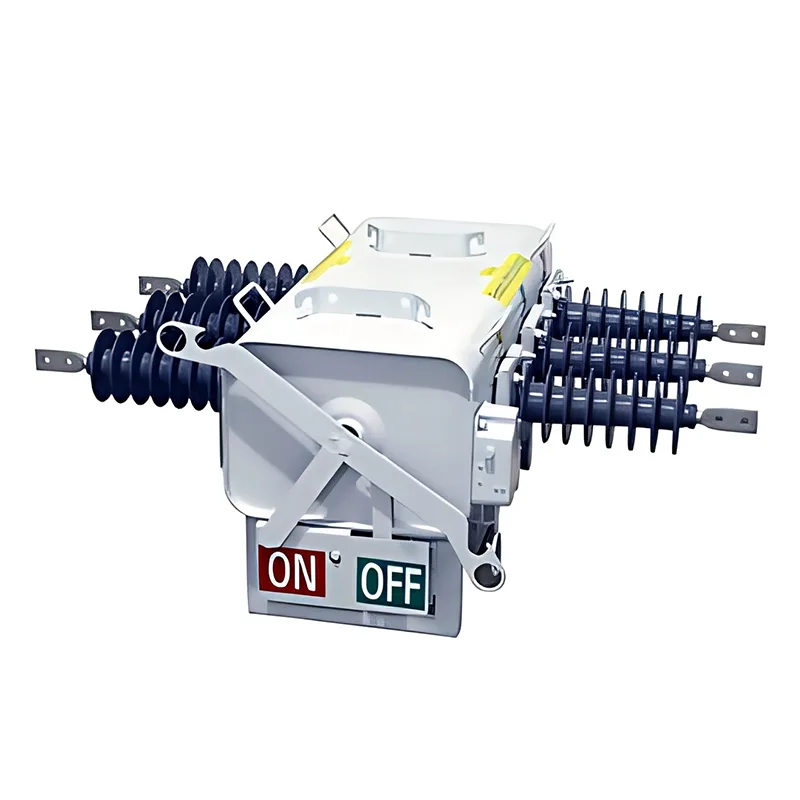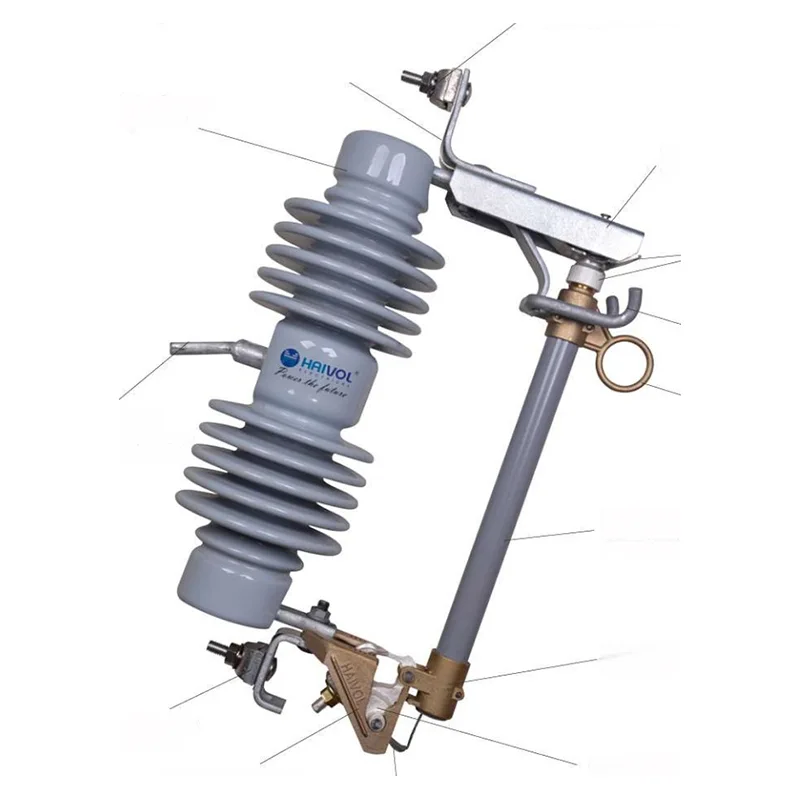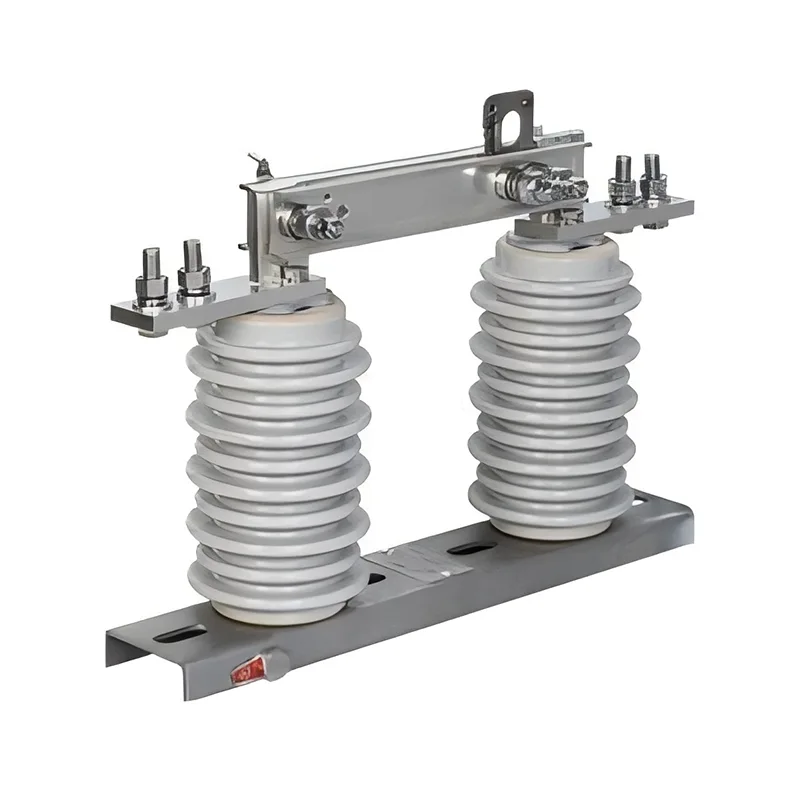
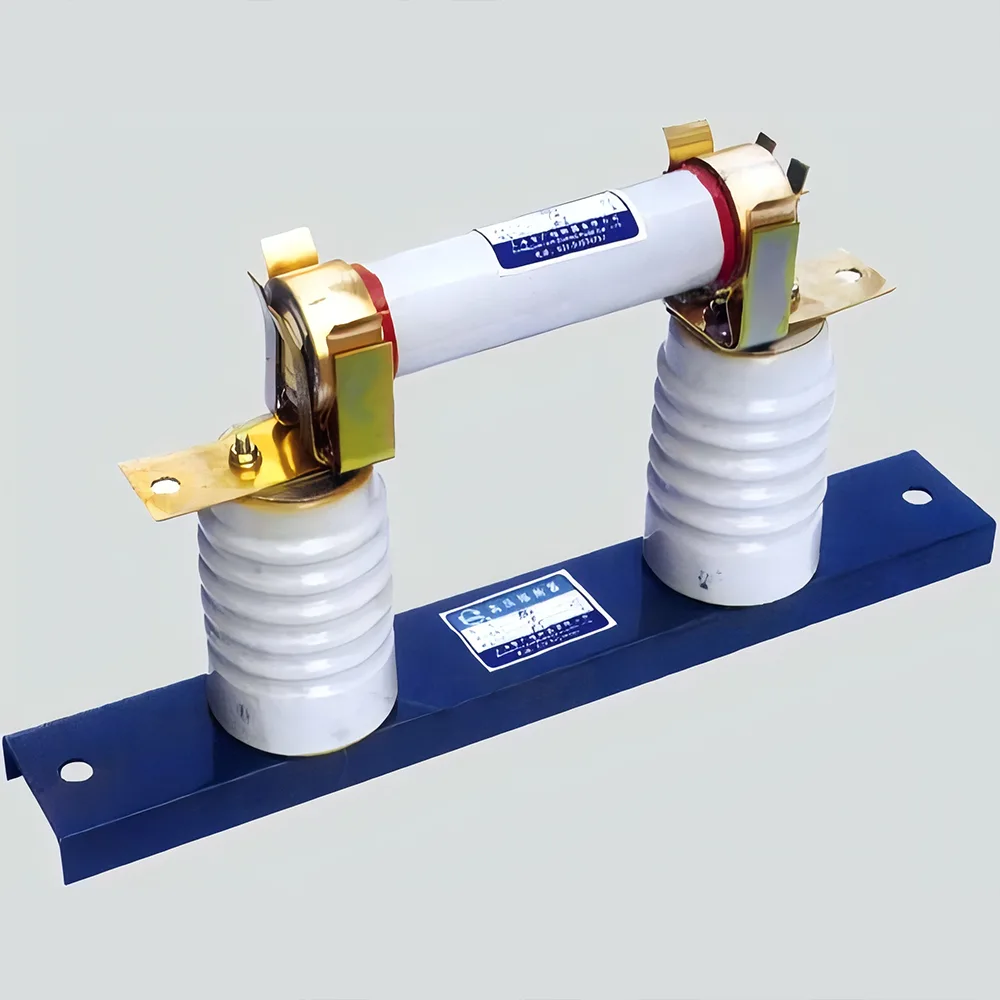

High Voltage Disconnector is a critical component for safe electrical isolation in transmission, distribution, substation, and industrial power systems. Huixing supplies the GW4 Series High Voltage Disconnector with voltage classes from 40.5kV to 252kV, combining visible isolation, robust insulation, corrosion resistance, and flexible installation for demanding outdoor power applications.
A high voltage disconnector is designed to create a clearly visible isolation gap after a high-voltage circuit has been de-energized. Unlike a circuit breaker, it is primarily used for electrical isolation rather than interrupting fault current. This makes it an essential safety device during equipment inspection, maintenance, switching operations, and power-system configuration.
The GW4 Series from Huixing uses a double-column horizontal rotating structure and covers 40.5kV, 72.5kV, 126kV, 145kV, 170kV, and 252kV voltage classes. Its design incorporates high-strength aluminum alloy conductive components, corrosion-resistant hardware, optional earthing switches, and insulation structures intended for challenging outdoor environments.
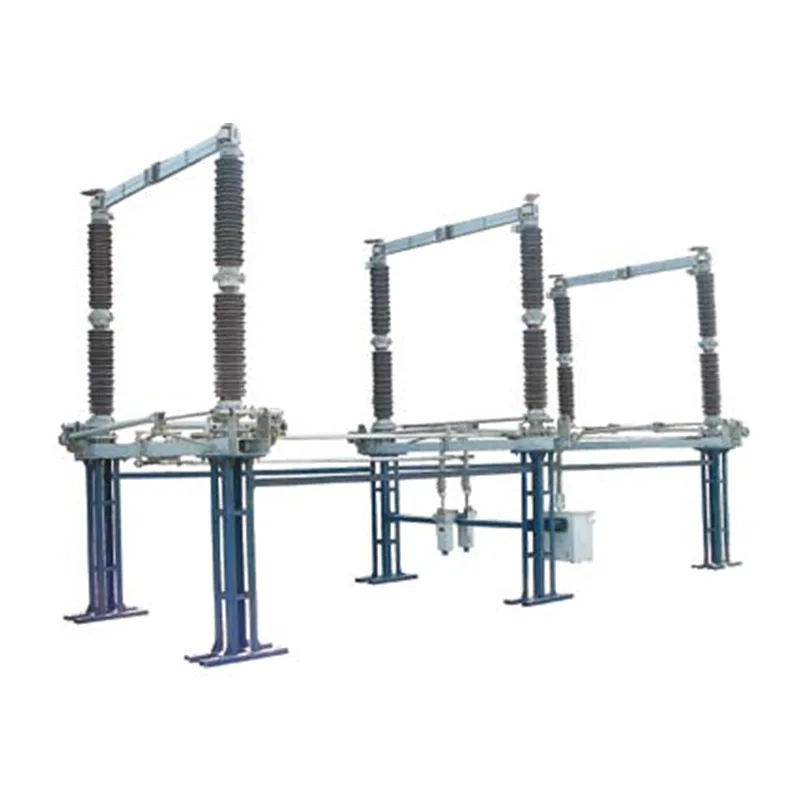
Table of Contents
- What Is a High Voltage Disconnector?
- Why Is a High Voltage Disconnector Important?
- How Does the GW4 High Voltage Disconnector Work?
- Where Are High Voltage Disconnectors Used?
- What Are the Main Advantages?
- What Technical Parameters Should Buyers Consider?
- How Should You Select the Right Model?
- Frequently Asked Questions
- Conclusion
What Is a High Voltage Disconnector?
A high voltage disconnector, also known as a high-voltage isolator, is a mechanical switching device used to provide electrical isolation in high-voltage circuits. Its primary purpose is to separate a section of an electrical system from the energized network so that maintenance personnel can work on equipment under properly established safety conditions.
One of its most important characteristics is the visible isolation gap created when the main contacts are opened. This physical separation provides a straightforward indication that the relevant circuit section has been isolated.
It is important to distinguish a disconnector from a circuit breaker. A circuit breaker is engineered to interrupt normal load current and fault current, whereas a disconnector is generally operated when the circuit has already been de-energized and is intended to establish a safe isolation point.
- Provides a visible electrical isolation point.
- Supports safe maintenance of high-voltage equipment.
- Helps separate busbars, transformers, lines, and circuit breakers.
- Can be configured with an earthing switch for additional safety.
- Supports switching arrangements in substations and transmission systems.
Why Is a High Voltage Disconnector Important?
High-voltage infrastructure requires multiple layers of protection because electrical faults, accidental energization, and improper switching can cause severe equipment damage and personnel hazards. A properly engineered disconnector contributes to this safety architecture by establishing a dependable physical isolation point.
In a substation, for example, maintenance may require a transformer, busbar section, transmission line, or circuit breaker to be separated from the energized network. Once the relevant circuit has been de-energized and the required switching sequence has been completed, the disconnector can establish the necessary isolation.
For systems that include an earthing switch, mechanical interlocking can help enforce the correct operating sequence between the main disconnector and grounding mechanism. This reduces the possibility of unsafe operation and helps improve overall switching discipline.
How Does the GW4 High Voltage Disconnector Work?
The GW4 Series adopts a double-column horizontal rotating structure. When the mechanism operates, the conductive components rotate to create an open isolation distance. The resulting gap provides visible separation between the isolated circuit and the energized side.
The conductive rod uses a high-strength aluminum alloy profile, while a flexible copper braided connection helps maintain reliable electrical conductivity. External-pressure stainless steel springs are used in the contact structure to maintain stable contact pressure while resisting corrosion.
For outdoor installations, exposed metal components receive hot-dip galvanizing treatment, while transmission components can incorporate stainless steel pins and composite bushings. These construction choices are particularly valuable where equipment is exposed to rain, snow, salt spray, industrial dust, temperature changes, and other environmental stresses.
Selected configurations can also incorporate grading rings and shielding covers. These components help improve electric-field distribution and reduce radio interference in demanding high-voltage applications.
Where Are High Voltage Disconnectors Used?
A high voltage disconnector can be applied across a wide range of electrical infrastructure. The appropriate voltage class, current rating, insulation level, mechanical configuration, and environmental design depend on the project.
Power Plants and Substations
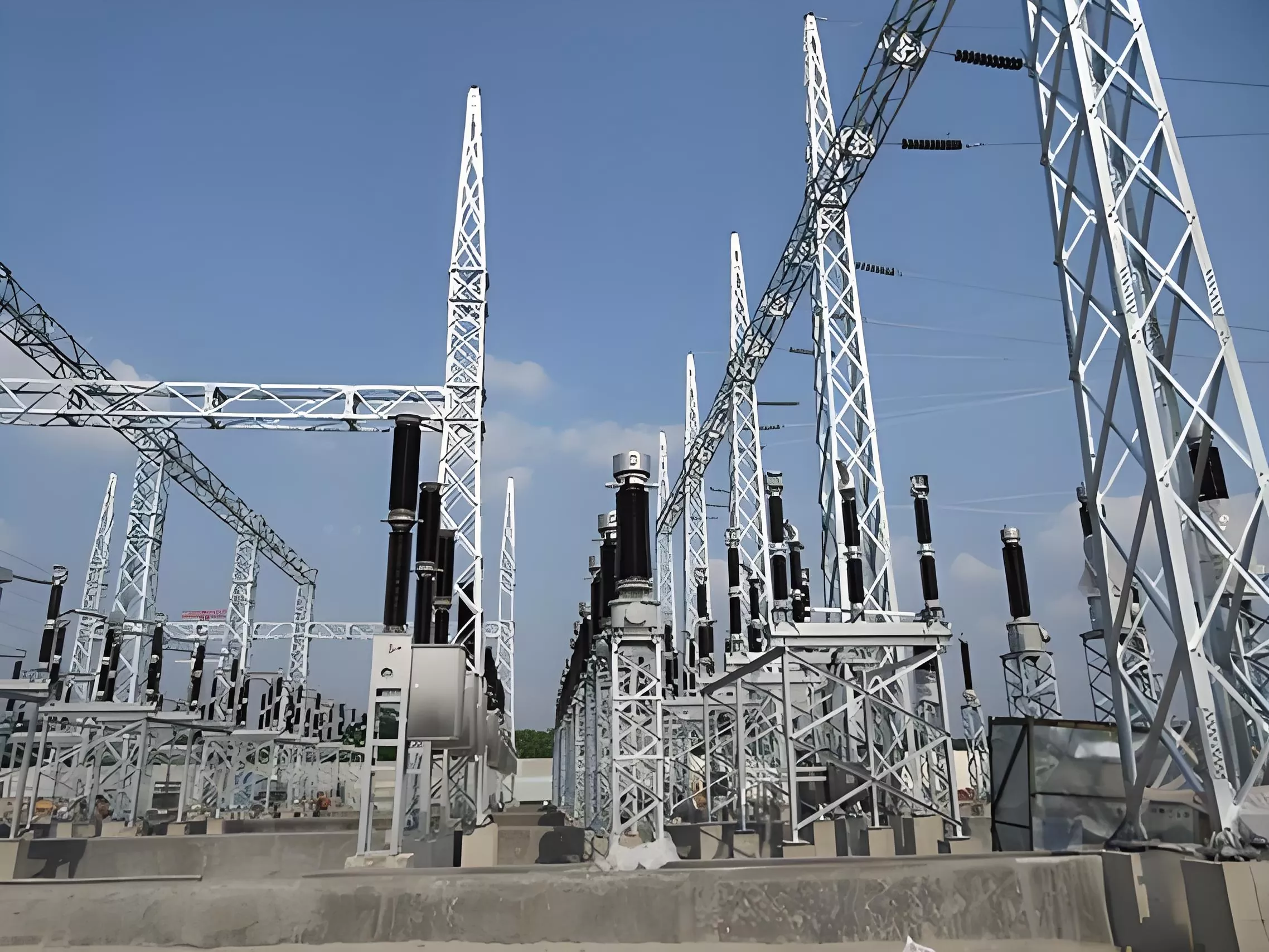
In thermal, hydroelectric, solar, and other power-generation facilities, disconnectors can isolate transformers, circuit breakers, busbars, and other major equipment. In substations, they can support busbar sectionalization and maintenance isolation.
Transmission and Distribution Networks
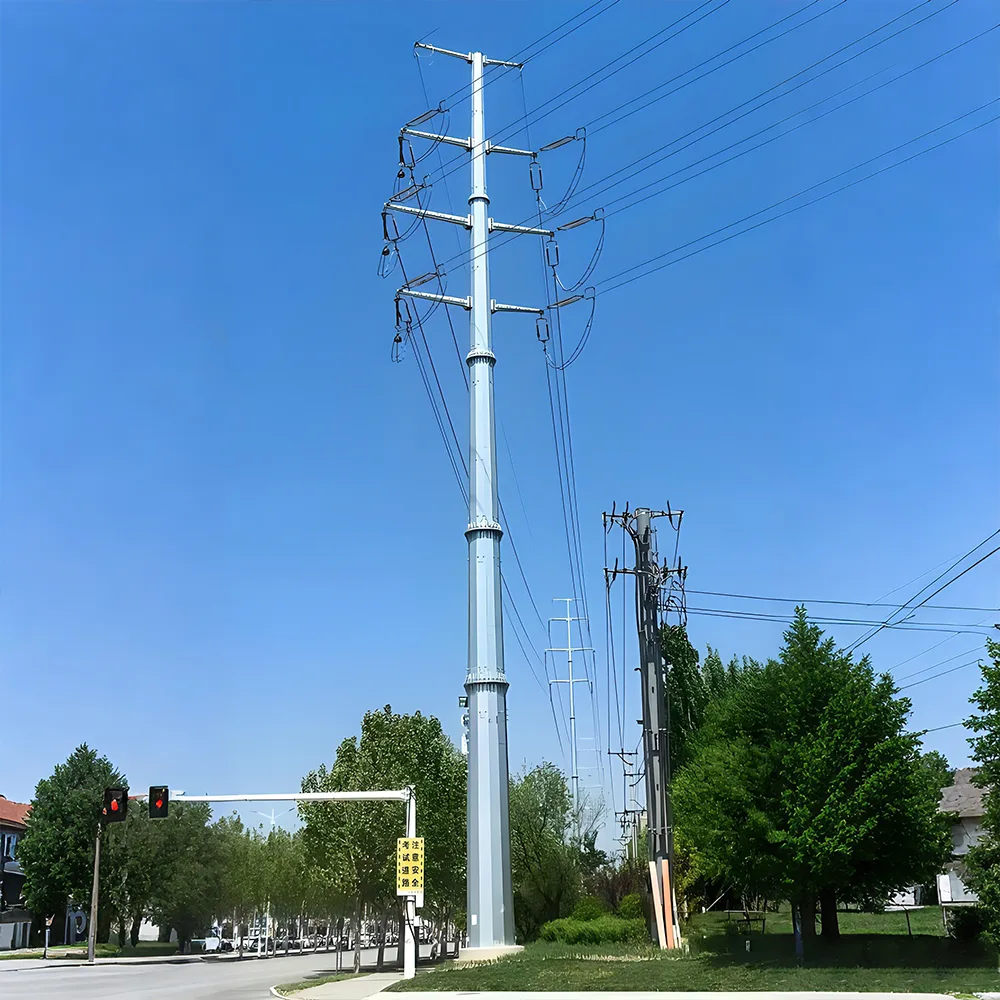
High-voltage transmission lines require reliable isolation equipment for maintenance and switching operations. Depending on the system configuration, disconnectors may also be used with voltage transformers and surge arresters.
Renewable Energy Projects
Large photovoltaic and wind power facilities require dependable switching and isolation equipment. The 40.5kV and 72.5kV configurations can be suitable for particular renewable-energy applications, while higher-voltage models can support grid connection and substation infrastructure.
Industrial Power Systems
Metallurgical plants, chemical facilities, and other large industrial sites often operate high-voltage distribution systems. A robust disconnector can provide maintenance isolation for high-voltage workshop equipment while offering resistance to vibration and polluted environments.
Railway and Special High-Voltage Systems
Specialized high-voltage installations, including railway traction power systems, can benefit from mechanical interlocking arrangements that coordinate the main disconnector and earthing switch.
What Are the Main Advantages of a High Voltage Disconnector?
For buyers evaluating a high voltage disconnector supplier, electrical performance is only one part of the decision. Mechanical reliability, environmental resistance, maintenance requirements, and configuration flexibility can have an equally important effect on lifecycle performance.
- Wide voltage coverage: The GW4 Series covers voltage classes from 40.5kV to 252kV.
- Reliable current carrying: Configurations support rated currents extending up to 6300A.
- Strong insulation performance: Multiple power-frequency and lightning impulse withstand levels are available across the range.
- Outdoor durability: Galvanized metal components and corrosion-resistant mechanical parts help withstand harsh weather conditions.
- Flexible grounding configuration: Earthing switches can be configured on either side of the base, with single- or double-earthing arrangements.
- Reduced maintenance requirements: Modular components and maintenance-oriented mechanical construction simplify inspection and replacement.
- Harsh-environment adaptability: The product is designed for temperatures from -40°C to +40°C, strong winds up to 34m/s, ice coating up to 10mm, and high-altitude applications up to 4000m.
What Technical Parameters Should Buyers Consider?
Technical selection should always be based on the actual electrical network, environmental conditions, installation configuration, and applicable project standards. The following representative specifications illustrate the range available in the GW4 Series.
| Parameter | GW4-40.5 | GW4-72.5 | GW4-126 | GW4-145 | GW4-170 | GW4-252 |
|---|---|---|---|---|---|---|
| Rated Voltage | 40.5 kV | 72.5 kV | 126 kV | 145 kV | 170 kV | 252 kV |
| Rated Current | 630–4000 A | 630–3150 A | Up to 3150 A | Project dependent | Project dependent | Project dependent |
| Short-Time Withstand Current | 31.5/40 kA | 25–50 kA | 40/50 kA | Project dependent | Project dependent | Project dependent |
| Peak Withstand Current | 80/100 kA | 63–125 kA | 100/125 kA | Project dependent | Project dependent | Project dependent |
| Mechanical Endurance | ≥5000 operations | |||||
Other selection parameters include power-frequency withstand voltage, lightning impulse withstand voltage, creepage distance, isolation distance, terminal mechanical load, insulator strength, installation configuration, and earthing requirements.
How Should You Select the Right Model?
Choosing the correct high voltage disconnector requires more than matching the nominal system voltage. A professional specification review should consider the complete operating environment and electrical network.
- Determine the system voltage. Select a voltage class that matches the actual network and insulation coordination requirements.
- Confirm the continuous current. The rated current must be sufficient for normal operating conditions and anticipated system loading.
- Evaluate short-circuit conditions. Check short-time and peak withstand current requirements against the expected fault level.
- Review insulation requirements. Consider power-frequency withstand voltage, lightning impulse withstand voltage, creepage distance, altitude, and pollution level.
- Assess the installation environment. Temperature, wind, ice, salt spray, industrial pollution, altitude, and seismic conditions can influence the appropriate configuration.
- Define the grounding arrangement. Determine whether a single earthing switch, double earthing configuration, or another arrangement is required.
- Check mechanical and maintenance requirements. Consider operating frequency, installation space, access for maintenance, and compatibility with the existing substation layout.
For large transmission and distribution projects, technical communication with an experienced manufacturer is recommended before finalizing the equipment specification. This helps ensure that the selected configuration matches the system's electrical, mechanical, and environmental requirements.
Frequently Asked Questions About High Voltage Disconnectors
What is the main purpose of a high voltage disconnector?
The main purpose is to provide reliable electrical isolation and a visible isolation gap in a high-voltage circuit after the circuit has been properly de-energized. It supports safe maintenance and switching procedures.
What is the difference between a disconnector and a circuit breaker?
A circuit breaker is designed to interrupt normal load current and fault current, while a disconnector is primarily intended to establish electrical isolation. A disconnector should not normally be used as a substitute for a circuit breaker when fault interruption is required.
What voltage range does the Huixing GW4 Series cover?
The GW4 Series covers voltage classes from 40.5kV to 252kV, including 40.5kV, 72.5kV, 126kV, 145kV, 170kV, and 252kV configurations.
Can a high voltage disconnector be equipped with an earthing switch?
Yes. The GW4 Series can be configured with earthing switches, including single-earthing and double-earthing arrangements. Mechanical interlocking can also help control the operating sequence.
Is the GW4 Series suitable for outdoor applications?
Yes. The design is intended for outdoor power systems and incorporates corrosion-resistant mechanical components and hot-dip galvanized exposed steel parts. The specified environmental capability also includes temperatures from -40°C to +40°C and strong outdoor weather conditions.
Conclusion: Why Choose a High Voltage Disconnector for Critical Power Infrastructure?
A dependable High Voltage Disconnector provides an essential layer of electrical isolation for substations, transmission networks, renewable energy projects, power plants, and industrial high-voltage systems. With voltage classes from 40.5kV to 252kV, robust insulation, corrosion-resistant construction, flexible grounding configurations, and a mechanical endurance rating of at least 5000 operations, the GW4 Series is engineered for demanding power-system applications.
For project engineers, EPC contractors, utilities, and power-equipment buyers looking for a dependable China manufacturer and supplier, Huixing can provide high-voltage isolation solutions tailored to different voltage levels, current ratings, environmental conditions, and installation requirements. Contact us today to discuss your project specifications, request technical information, and find the right high voltage disconnector configuration for your power system.