Article Summary:
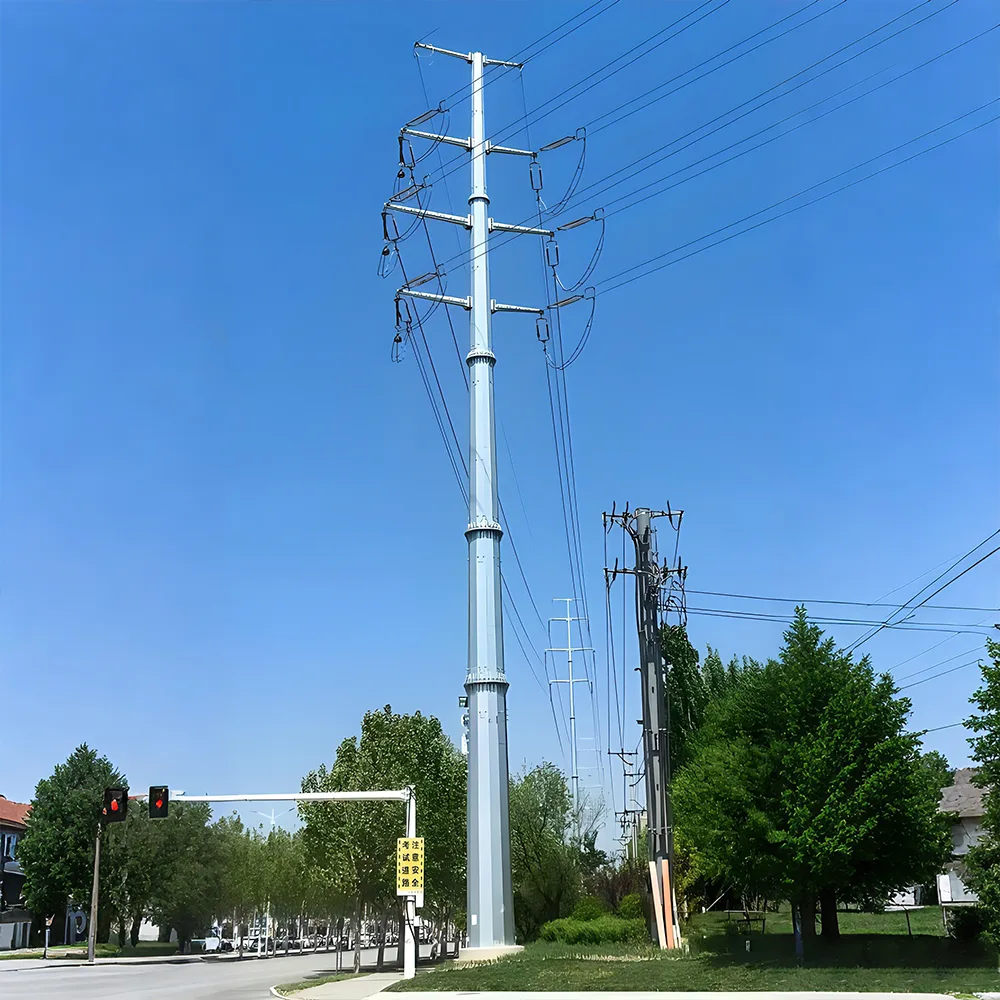
Power fittings are essential components that maintain the safety, stability, and efficiency of overhead transmission lines, substations, and distribution networks. Although they are often small compared with transformers, towers, and conductors, their performance directly affects the reliability of the entire electrical infrastructure. This article explains how power fittings work, why they are important, how to choose suitable fittings, and how high-quality solutions from Huixing Zhongdian (Beijing) Electric Co., Ltd. help solve common challenges in power engineering projects.
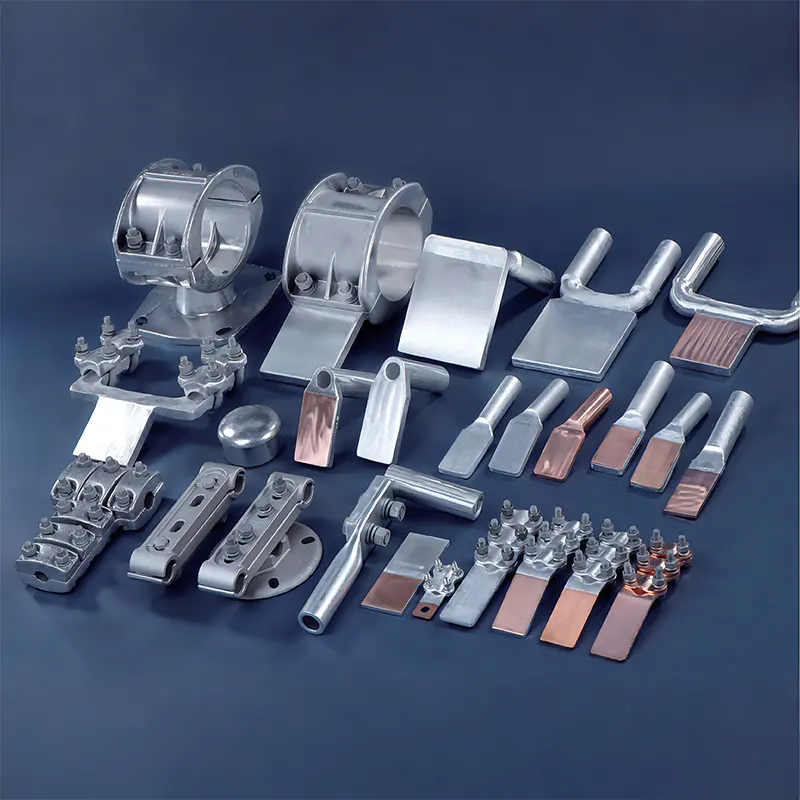
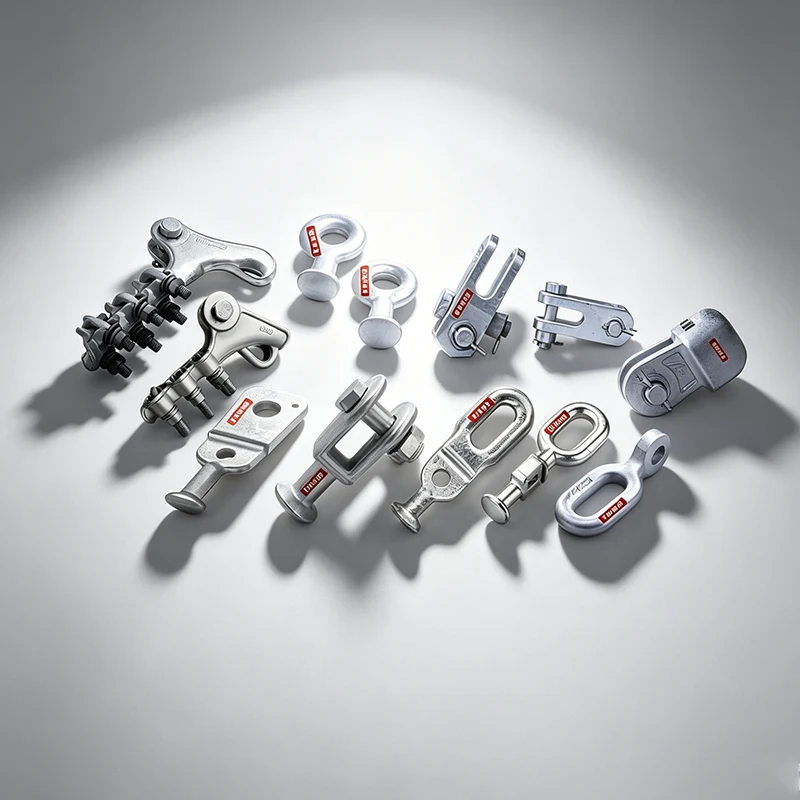
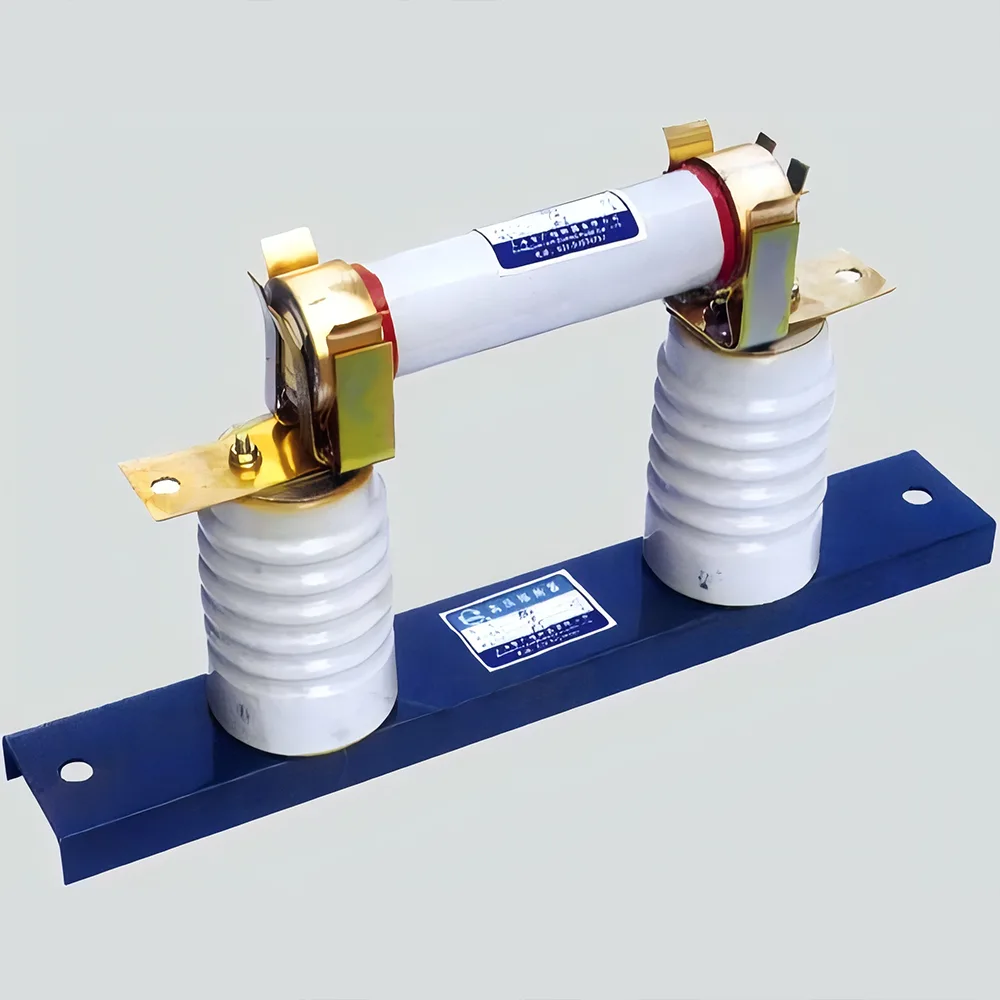
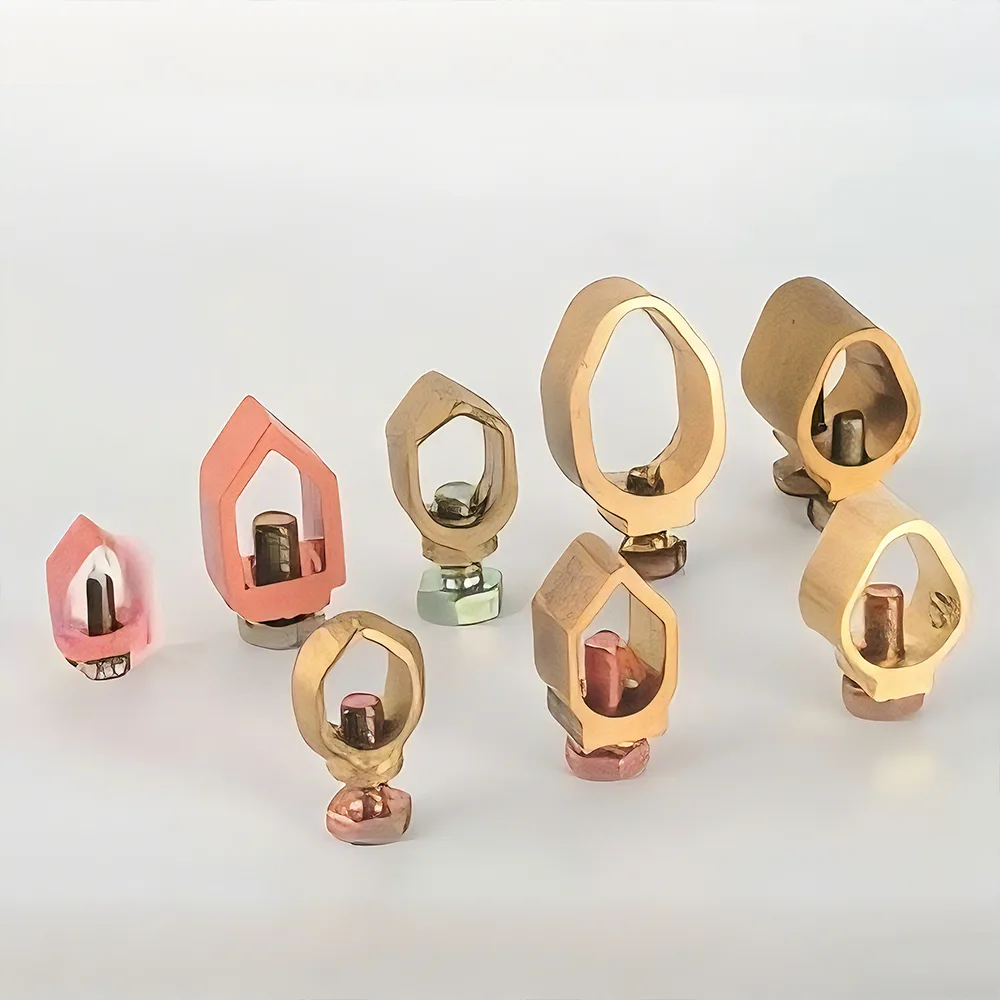
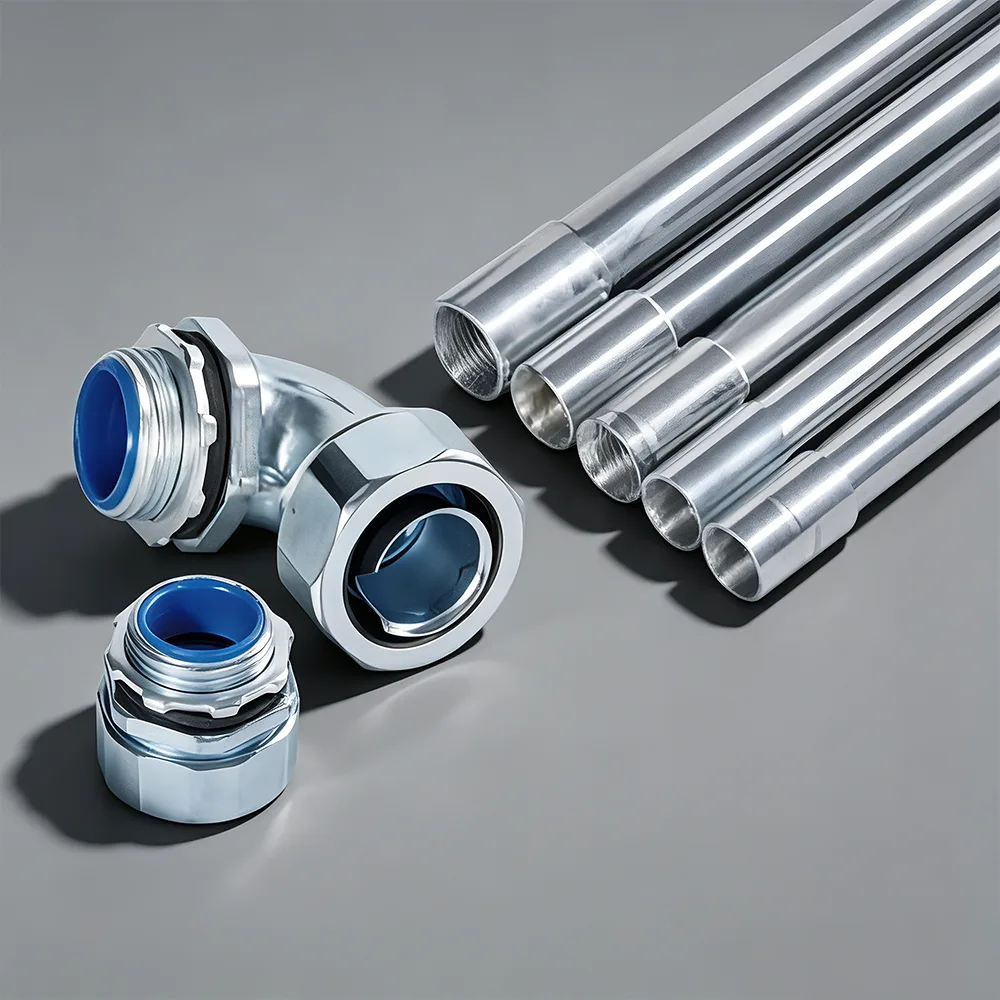
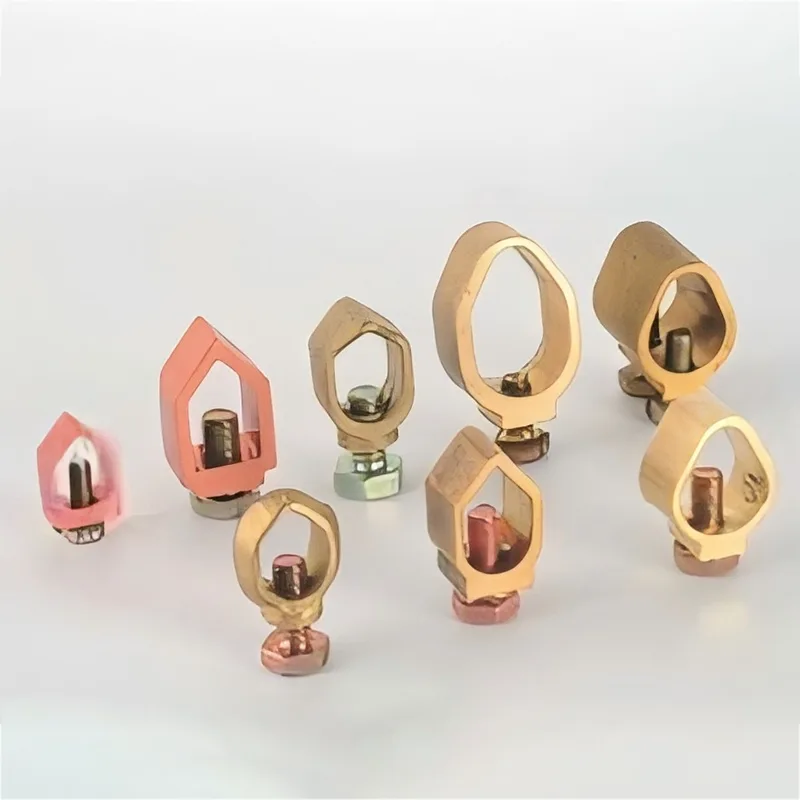
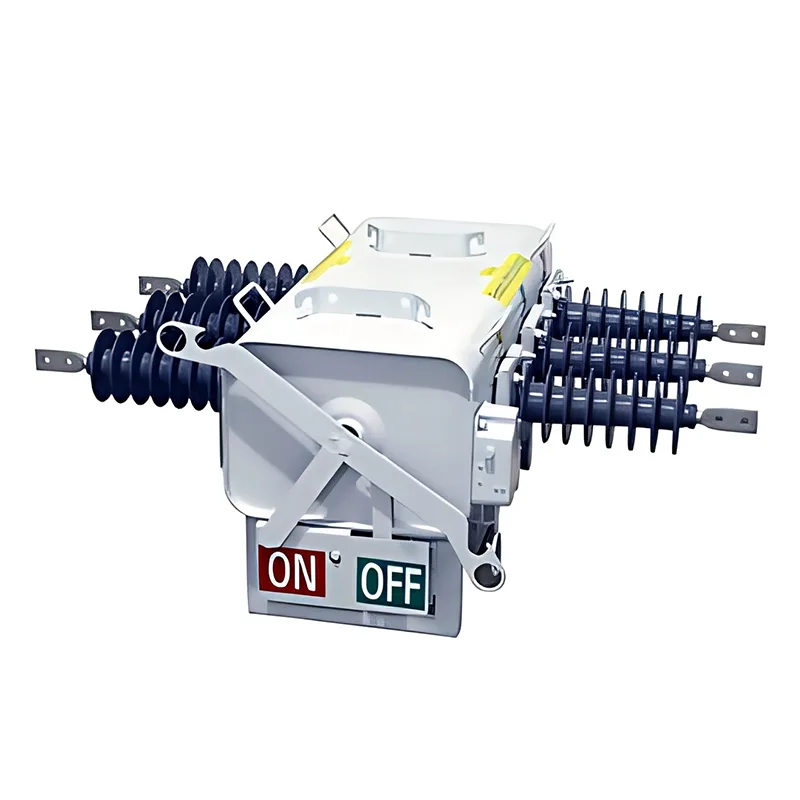
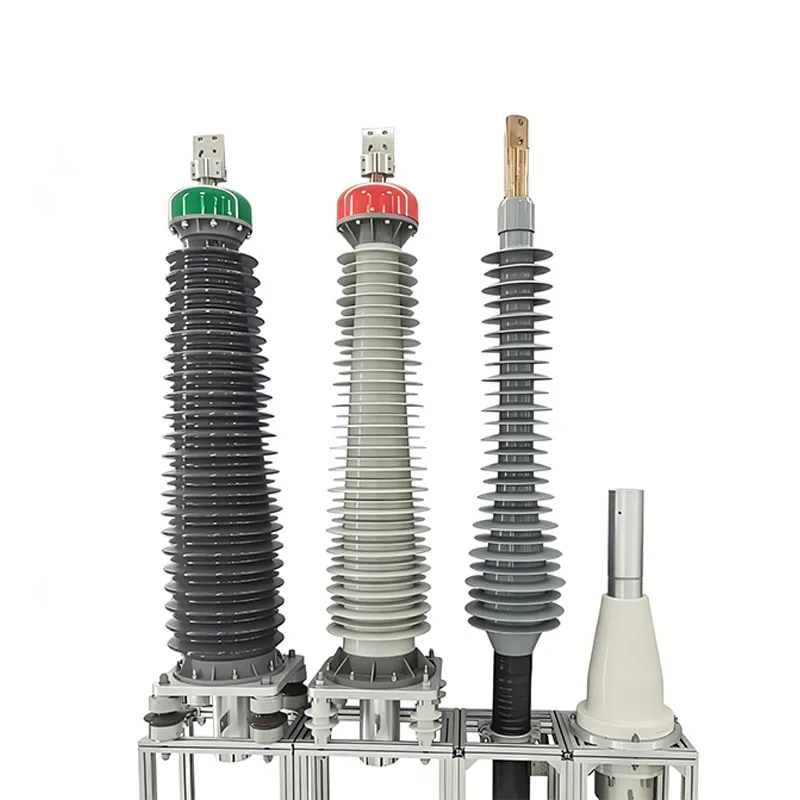
Power fittings are mechanical and electrical accessories used in transmission lines, substations, and distribution systems to connect, support, protect, and secure electrical conductors and equipment. They create reliable connections between different components, ensuring that electricity can be transmitted safely over long distances.
In modern power networks, conductors carry huge amounts of electrical energy, but they cannot operate independently. They require specialized fittings to maintain proper mechanical strength, electrical conductivity, and structural stability. Without suitable power fittings, problems such as conductor movement, connection overheating, vibration damage, and equipment failure may occur.
With the continuous expansion of renewable energy projects, smart grids, and high-voltage transmission systems, the demand for durable and accurate power fittings continues to increase. Huixing Zhongdian (Beijing) Electric Co., Ltd. provides integrated power equipment solutions and manufactures various power hardware products designed for different transmission and substation applications.
Power fittings perform multiple functions throughout the power infrastructure. Their primary role is to ensure that electrical and mechanical connections remain stable under different operating conditions.
| Function | Description | Benefits |
|---|---|---|
| Mechanical Support | Power fittings hold conductors, insulators, and related components securely. | Prevents sagging, movement, and structural damage. |
| Electrical Connection | They connect conductors and electrical equipment with reliable contact points. | Reduces energy loss and overheating risks. |
| Load Distribution | They transfer mechanical stress throughout the transmission system. | Improves system durability under wind, ice, and vibration conditions. |
| Protection | Some fittings protect conductors from damage caused by environmental factors. | Extends service life and reduces maintenance requirements. |
For overhead transmission lines, fittings must withstand continuous tension from conductors as well as external forces such as storms, temperature changes, and pollution. A properly designed fitting system helps maintain stable operation throughout the entire service period.
Selecting unsuitable or low-quality power fittings can create serious operational risks. Since fittings are exposed to outdoor environments for many years, their quality directly affects the reliability of power networks.
For engineering companies and grid operators, choosing reliable fittings is not only a product selection decision but also a long-term investment in system safety and operational efficiency.
Different power system structures require different types of fittings. Understanding their applications helps engineers select suitable products for specific projects.
| Type of Power Fitting | Main Application | Common Usage |
|---|---|---|
| Suspension Fittings | Supporting conductors on straight-line sections | Overhead transmission lines |
| Strain Fittings | Handling conductor tension forces | Terminal towers and angle towers |
| Connection Fittings | Joining conductors and components | Transmission and distribution networks |
| Substation Fittings | Connecting equipment and structural components | Power substations |
| Protective Fittings | Reducing conductor damage caused by vibration or electrical stress | High-voltage systems |
Each fitting must match the conductor type, voltage level, mechanical requirements, and environmental conditions of the project. Incorrect selection may affect both installation efficiency and long-term performance.
Choosing appropriate power fittings requires consideration of several technical factors. Project managers and electrical engineers should evaluate the following aspects before purchasing.
A professional manufacturer can provide technical support, customized designs, and complete solutions according to different project requirements.
Huixing Zhongdian (Beijing) Electric Co., Ltd. focuses on providing reliable power system solutions for global electrical infrastructure projects. The company offers various power hardware products, including transmission line fittings and substation-related components, designed to meet different application requirements.
The company's power fittings are developed with attention to structural reliability, installation convenience, and long-term operating performance. Through strict production management and quality inspection processes, Huixing helps customers reduce risks associated with equipment failure and maintenance challenges.
By combining engineering experience with advanced manufacturing capability, Huixing Zhongdian (Beijing) Electric Co., Ltd. helps power companies build safer and more efficient electrical networks.
Power fittings are mainly used to connect, support, secure, and protect conductors and electrical equipment in transmission lines, substations, and distribution systems.
High-quality fittings improve system reliability by maintaining stable mechanical strength, electrical connection performance, and resistance against environmental conditions.
Yes. Many manufacturers provide customized solutions based on conductor specifications, voltage levels, installation requirements, and project conditions.
The service life depends on material quality, installation environment, maintenance conditions, and operating loads. Properly manufactured fittings can provide long-term reliable service in power systems.
Companies should evaluate manufacturing experience, quality control systems, technical support capability, product compatibility, and project service experience before making a decision.
Power fittings may appear to be small components within a large electrical network, but their role is fundamental to safe and stable power transmission. From supporting conductors to ensuring reliable electrical connections, these components directly influence the performance and durability of modern power systems.
Choosing dependable products from an experienced manufacturer helps reduce operational risks, control maintenance costs, and improve infrastructure reliability. Huixing Zhongdian (Beijing) Electric Co., Ltd. continues to provide professional power fitting solutions for customers seeking efficient and durable electrical equipment.
For high-quality power fittings and customized electrical solutions, please contact us today and let Huixing Zhongdian (Beijing) Electric Co., Ltd. support your next power infrastructure project.