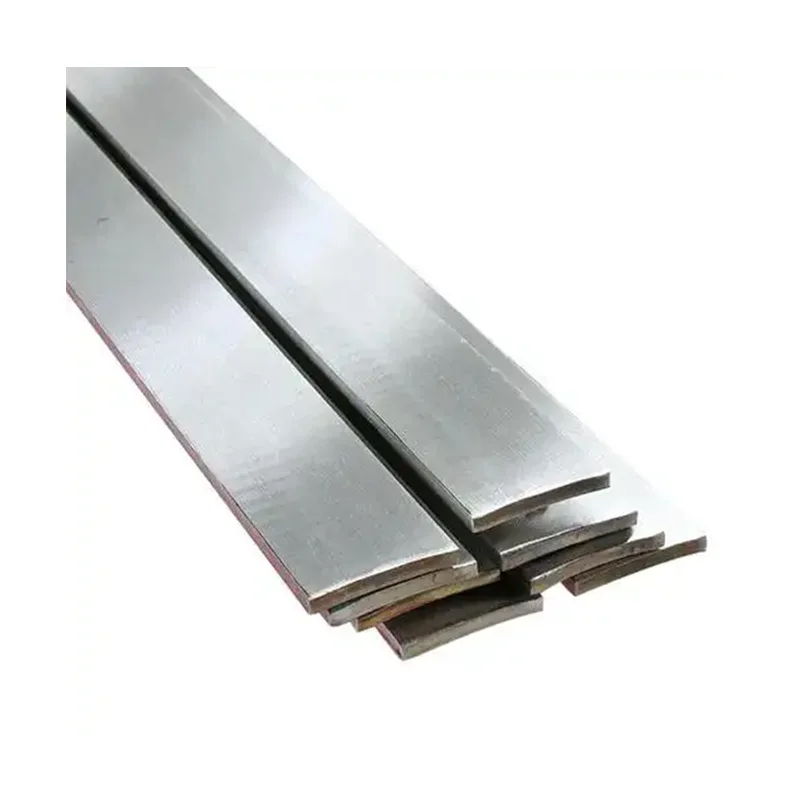
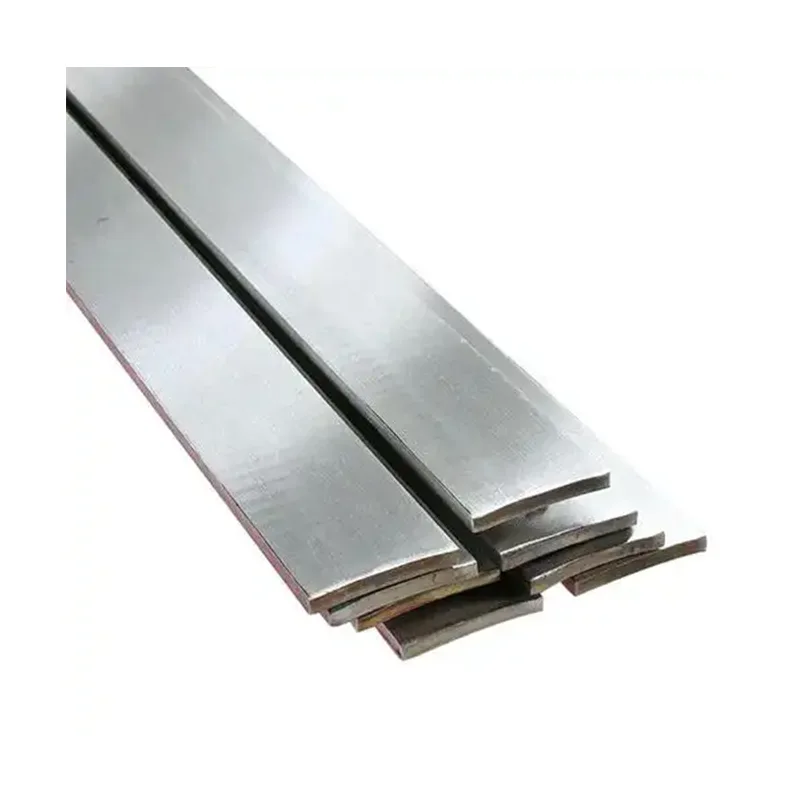
316/316L stainless steel grounding material systems represent the highest standard of corrosion-resistant grounding solutions for harsh industrial and infrastructure applications. Designed to endure the most extreme environmental conditions, these systems deliver superior long-term reliability and operational safety, making them the optimal choice for projects where conventional grounding materials suffer premature failure.
Coastal & Marine Areas: Featuring outstanding resistance to chloride ion corrosion, 316/316L stainless steel is widely used in port terminals, offshore wind platforms, coastal substations and communication base stations to resist salt spray and high-humidity erosion.
Chemical Parks & Industrial Zones: It resists acid-base soil, industrial wastewater and corrosive gases, and is applicable to equipment grounding and lightning protection systems in chemical plants, metallurgical sites and electroplating factories.
Saline-Alkali Land & Marsh Regions: It maintains stable performance in high-salinity and moist soil, perfectly suited for grounding of power transmission lines, photovoltaic power stations and agricultural facilities in saline-alkali areas.
Acidic Soil Areas: It effectively prevents rapid corrosion failure commonly seen in ordinary galvanized steel applied in mining zones and wetlands.
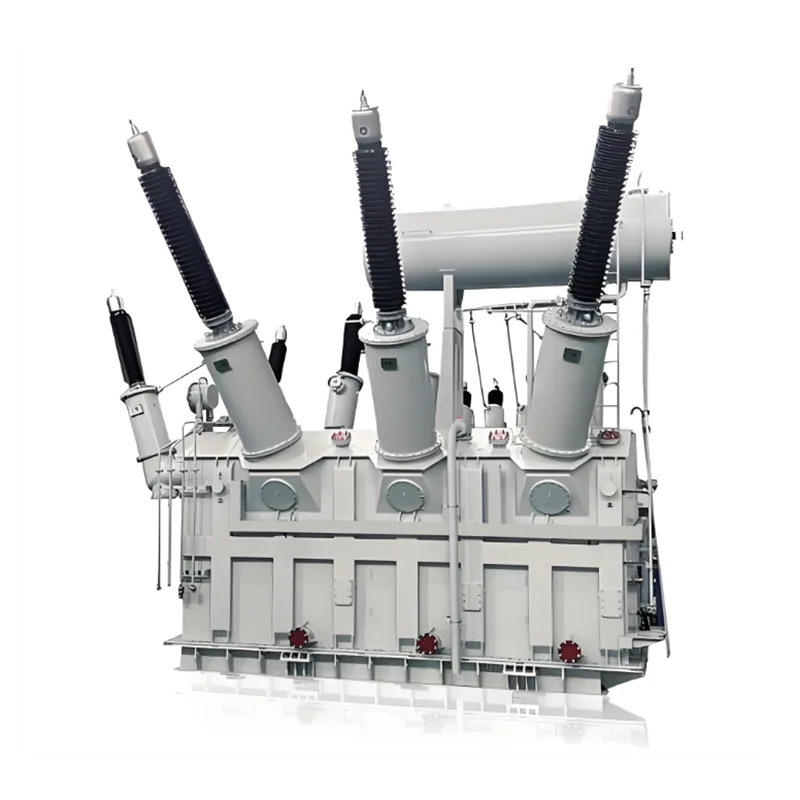
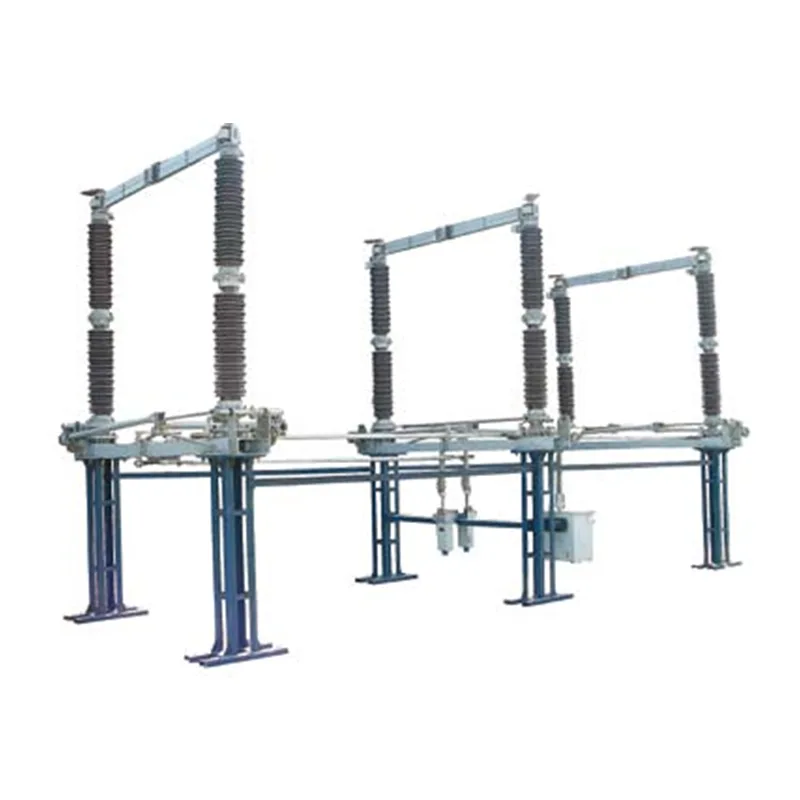
Substations & Converter Stations: Used for grounding grids, grounding electrodes and lightning down conductors. With a service life of over 30 years, it ensures safe dissipation of fault currents and greatly reduces maintenance expenses.
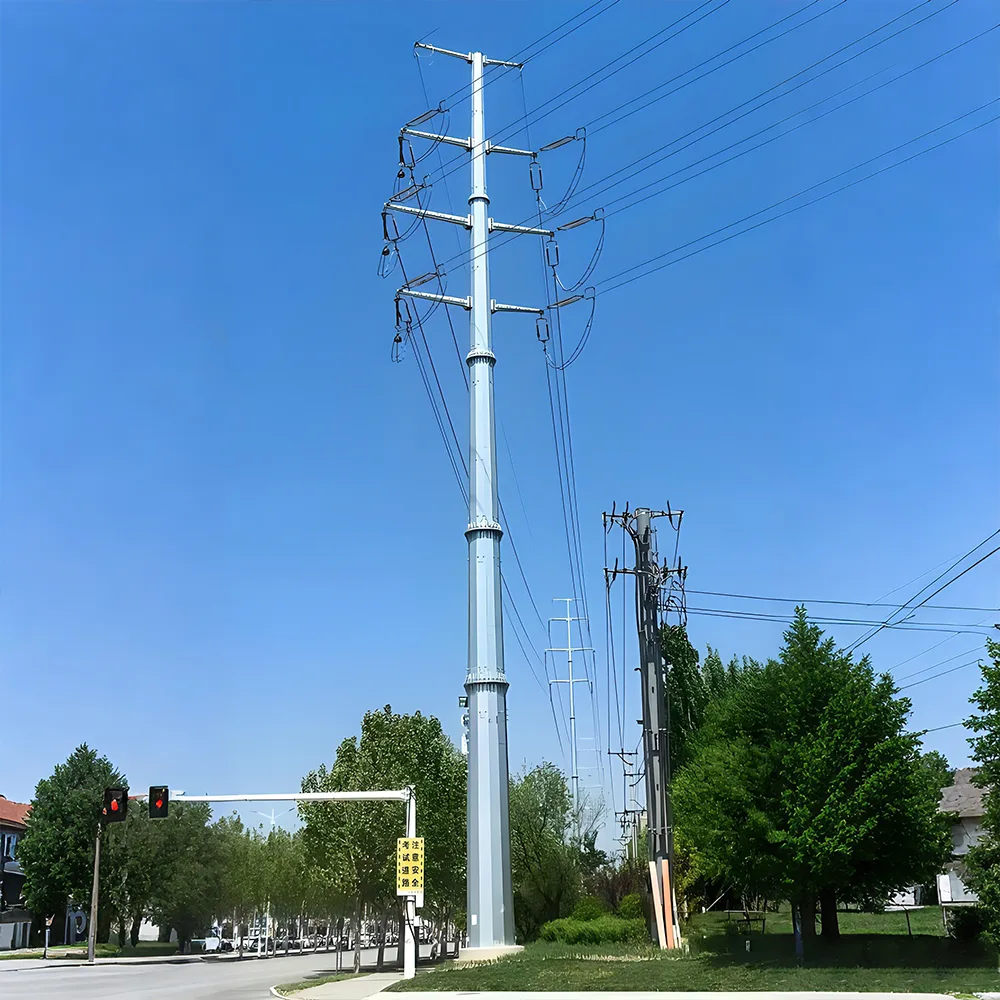
Power Transmission Towers: Offers reliable grounding protection in high-altitude, coastal, foggy and other harsh areas to guarantee lightning protection safety for power lines.
New Energy Power Generation: Serves as dedicated grounding materials for photovoltaic power plants and wind farms, especially offshore wind projects, adapting well to field and humid operating environments.
Utility Tunnels & Cable Ditches: Used as main grounding conductors for long-term buried laying, combining excellent corrosion resistance and mechanical strength to resist soil pressure and external construction damage.
High-rise Building Foundation Grounding: Its potential difference with concrete steel reinforcement is less than 0.1V, which eliminates electrochemical corrosion risks and fully meets the requirements of GB55024-2022 standards.
Data Centers & Computer Rooms: Its non-magnetic or weakly magnetic property causes almost no interference to precision electronic equipment, and steadily maintained grounding resistance ensures overall system operational safety.
Hospitals & Laboratories: Corrosion-free and clean, it satisfies strict grounding demands for medical devices and precision testing instruments.
Transportation Infrastructure: Suitable for grounding systems of bridges, tunnels and subway stations, capable of adapting to long-term humid and vibration-prone working conditions.
High-resistivity Soil Areas: Combined with ion slow-release grounding technology, it quickly reduces soil resistance and cuts down the number of grounding electrodes needed in rocky, sandy and frozen soil areas.
Areas under Mechanical Impact: High mechanical strength prevents external damage in zones with underground vehicle passage and frequent construction activities.
Agricultural Facilities: Ideal for grounding of irrigation systems, livestock farms and pesticide & fertilizer storage yards, resisting chemical erosion and high humidity.
A dense self-healing chromium oxide passive film forms on the surface to isolate corrosive substances effectively.
Molybdenum contained in 316L stainless steel greatly enhances resistance to pitting corrosion and chloride-induced stress corrosion cracking.
Its service life reaches 30–50 years, far longer than that of ordinary hot-dip galvanized steel (8–10 years), lowering replacement frequency and maintenance costs.
Its electrode potential is close to that of building steel reinforcement, completely avoiding electrochemical corrosion.
High structural strength provides excellent bending, impact and tensile resistance, suitable for deep burial construction and complex geological environments.
Composite structures such as stainless steel clad steel conductors integrate steel’s good conductivity and stainless steel’s corrosion resistance for better cost performance.
Available for both vertical deep burial and horizontal laying modes to meet diverse grounding grid design schemes.
Low annual corrosion rate keeps grounding resistance stable permanently, ruling out potential safety hazards caused by resistance rise due to corrosion.
Wide temperature adaptability ensures stable operation within the range of -40°C to +80°C for use in extreme climate zones.
Non-magnetic properties will not interfere with communication signals, navigation systems and precision instrument operation.
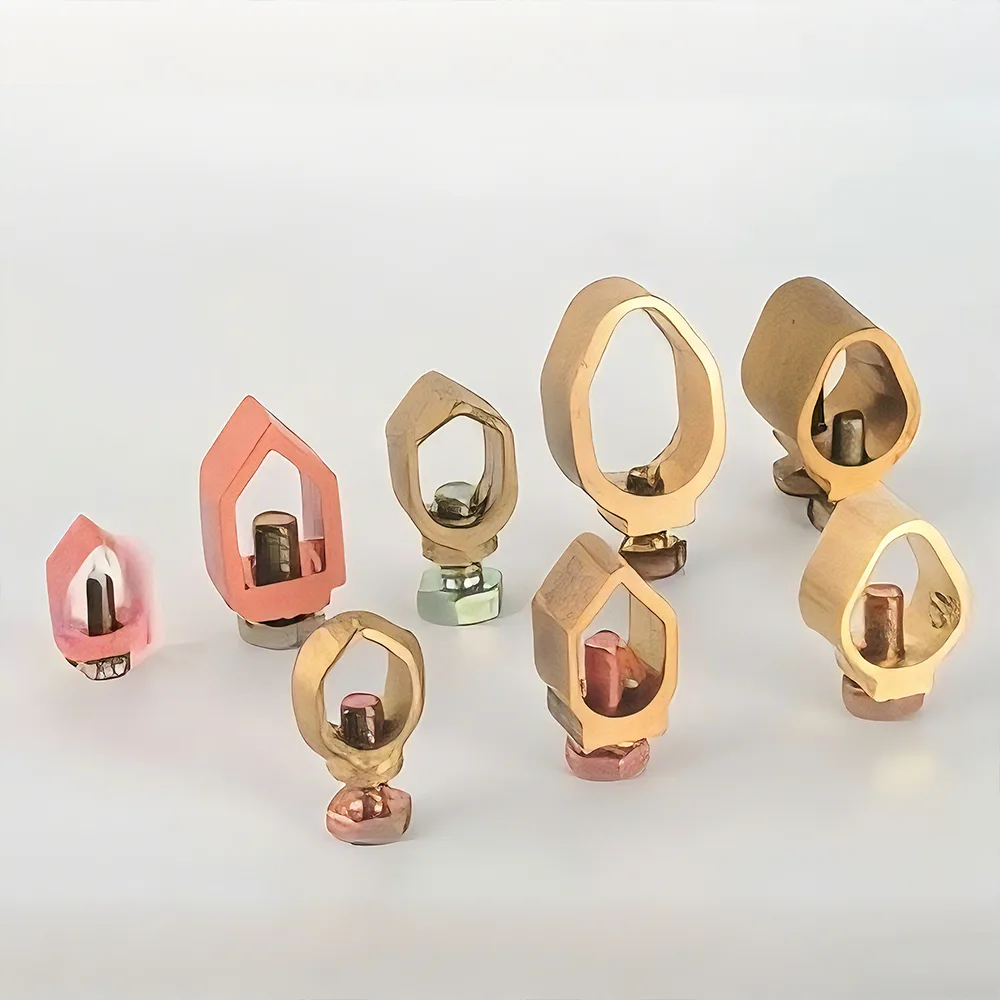
It supports exothermic welding connection to form low and stable contact resistance, avoiding loose contact and oxidation problems of bolt connections.
Vertical deep burial construction occupies little land space; the required borehole diameter is only 100–200 mm, perfectly fitting space-limited sites.
Fully recyclable materials conform to environmental protection policies and reduce resource waste.
Longer maintenance cycles greatly reduce subsequent operating costs, especially suitable for remote and inaccessible project sites.
Though the initial investment is higher than hot-dip galvanized steel, 316/316L stainless steel grounding systems achieve much lower total lifecycle costs and deliver prominent long-term economic benefits.
It effectively reduces safety accidents, equipment damage and production shutdown losses caused by grounding system failure.
Boasting unparalleled corrosion resistance, long-term operational stability and comprehensive safety performance, 316/316L stainless steel grounding materials have become the preferred high-standard solution for harsh-environment critical infrastructure projects. With reliable field performance widely verified in power systems, industrial parks, new energy stations and transportation engineering, they will keep playing an indispensable role in global modern infrastructure construction.
Address
Building 603, Wangjingyuan, Chaoyang District, Beijing,China
Tel
If you have any enquiry about quotation or cooperation, please feel free to email us at baigang@huixingelectric.com or use the following inquiry form.Our sales representative will contact you within 24 hours. Thank you for your interest in our products.