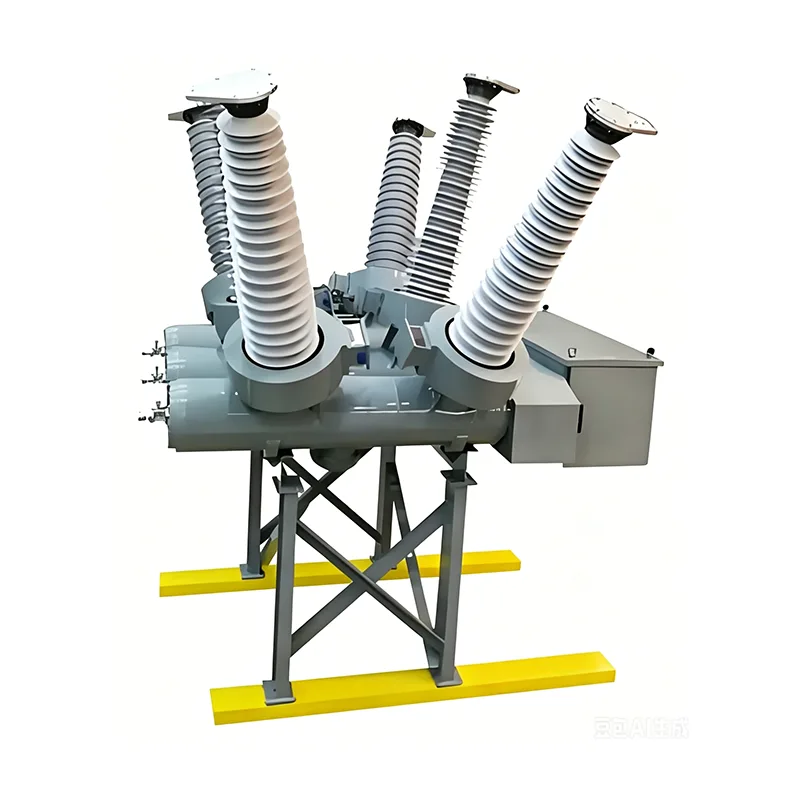
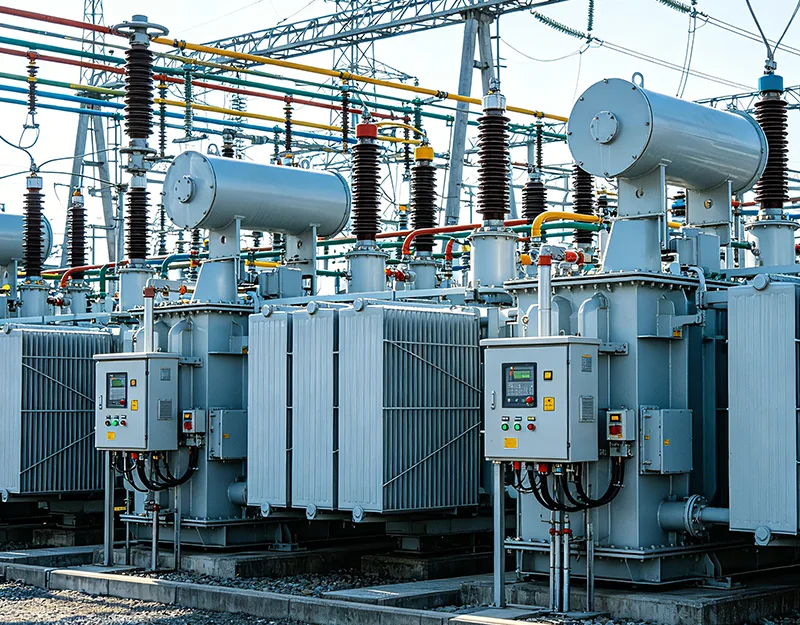
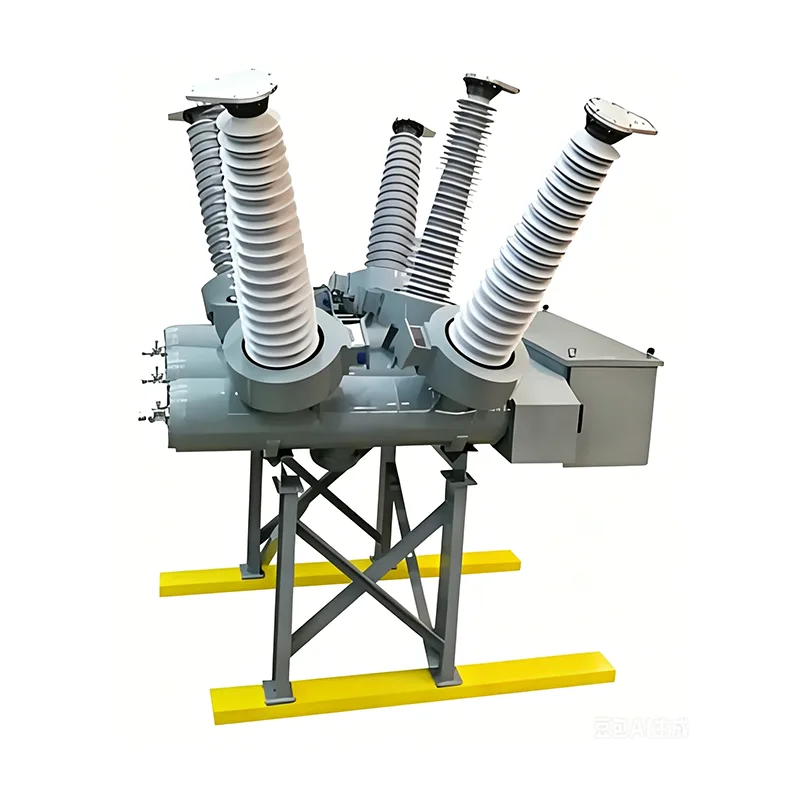
Against the backdrop of global energy transition and grid infrastructure upgrading, Gas Insulated Substation (GIS) equipment has entered a new round of rapid development cycle in 2026. Benefiting from large-scale grid modernization projects, the booming grid connection demand for new energy such as wind power and photovoltaics, and the intensification of urban land resource constraints, GIS, with its outstanding advantages of small footprint, high reliability and strong environmental adaptability, has become the core equipment for power transmission and distribution system construction, and the industry as a whole shows a development trend of green, intelligent and modular upgrading.
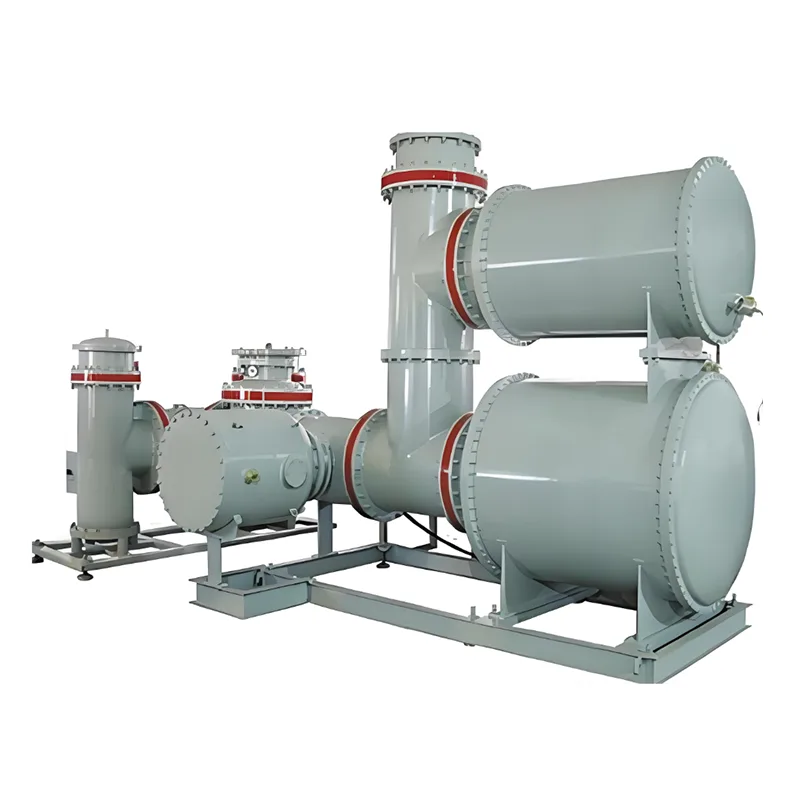
As a key power transmission and distribution equipment that uses sulfur hexafluoride (SF₆) or environmentally friendly insulating gas as the insulating medium and integrates core components such as circuit breakers, disconnectors, busbars and transformers into a sealed metal shell, GIS has obvious performance advantages compared with traditional air-insulated substations (AIS). Under the same voltage level, the floor area of GIS is only 20%–40% of that of conventional AIS, and it is less affected by external environmental factors such as dust, humidity and salt spray, with higher operational safety and longer maintenance cycle.
At present, the global power industry is in a critical period of transformation. On the one hand, a large number of traditional power grids built in the last century have entered the renewal cycle, and the demand for equipment upgrading and capacity expansion is strong; on the other hand, the large-scale grid connection of intermittent new energy sources such as wind power and photovoltaics puts forward higher requirements for the stability, flexibility and intelligence of the power grid. GIS equipment can effectively adapt to complex grid operation scenarios, and has become the preferred scheme for new energy collection stations, urban core power grids and industrial heavy-load power supply systems.
In 2026, the technical iteration of the GIS industry presents three clear directions, which jointly promote the overall upgrading of product performance and application value.
Eco-friendly insulating gas technology accelerates its application. In response to the global carbon reduction requirements and the control of high-greenhouse-gas SF₆ gas, major manufacturers in the industry have increased R&D investment in environmentally friendly gas insulation technology. Dry air, nitrogen mixture and new environmentally friendly insulating medium solutions have been gradually applied to medium and low voltage GIS products, and high-voltage grade environmentally friendly GIS has also entered the stage of engineering pilot, becoming the core track for future technological competition in the industry.
Intelligent digital upgrade becomes the mainstream. The new generation of GIS equipment is generally equipped with built-in sensors such as partial discharge online monitoring, gas density detection and mechanical state perception, and is connected to the grid management platform through the Internet of Things technology. It can realize real-time status monitoring, fault early warning and remote operation and maintenance, effectively reduce the manual inspection cost of substations, improve the operation reliability of equipment, and fully adapt to the construction needs of smart grids.
Modular prefabrication shortens the construction cycle. Prefabricated modular GIS products complete assembly and testing in the factory, and can be directly hoisted and connected on site, which greatly shortens the on-site construction period and reduces the impact of on-site environment on equipment installation quality. This mode is especially suitable for urgent new energy grid connection projects and urban power grid reconstruction projects with tight construction periods.
With the continuous enrichment of product voltage levels and structural forms, the application scenarios of GIS are constantly expanding, breaking through the traditional single transmission grid field.
In the field of high-voltage transmission, 110kV–500kV GIS is still the mainstream product of large-scale substations and new energy booster stations, undertaking the core functions of power collection, boosting and long-distance transmission. In densely populated urban areas and high-altitude, heavy-pollution, coastal salt-spray areas, GIS has become an almost necessary choice due to its strong environmental adaptability.
In the field of medium-voltage power distribution, compact cabinet-type GIS is widely used in commercial complexes, data centers, high-speed rail hub power supply systems and industrial parks. Its small footprint and high safety performance can effectively meet the power distribution needs of dense load areas.
In addition, with the rapid development of distributed energy, energy storage power stations and microgrids, special GIS products adapted to distributed access scenarios have also achieved rapid growth, becoming a new growth point for industry demand.
From the perspective of global market distribution, the Asia-Pacific region, represented by China, India and Southeast Asia, is the largest consumer market for GIS equipment, driven by large-scale power infrastructure construction and rapid growth of new energy installed capacity. The European and North American markets are dominated by grid renewal and upgrading and environmentally friendly product replacement, with strong demand for intelligent and low-carbon GIS equipment.
Industry analysts believe that from 2026 to 2032, the global GIS substation market will maintain a steady growth trend. Driven by the dual engine of grid infrastructure upgrading and energy transition, the market scale will continue to expand. In the future, industry competition will focus on three dimensions: environmentally friendly medium research and development capability, intelligent digital level and modular delivery efficiency. Manufacturers with core technology accumulation, complete product series and engineering service capabilities will occupy a more favorable position in the market competition.
As the core equipment of modern power transmission and distribution systems, GIS substations are playing an increasingly important role in the process of global energy transition and grid intelligence. The industry is evolving towards higher reliability, lower carbon environmental protection and smarter operation. For power grid operators, new energy investors and industrial users, choosing GIS equipment with mature technology, stable performance and adaptable scenarios is an important guarantee to improve power supply reliability and cope with future grid development demands.
Disclaimer: This article is for industry trend analysis and technical reference only. The relevant data and technical descriptions are sorted out based on public industry standards and research materials. For specific engineering applications, please refer to the official technical parameters and professional design schemes of the equipment.