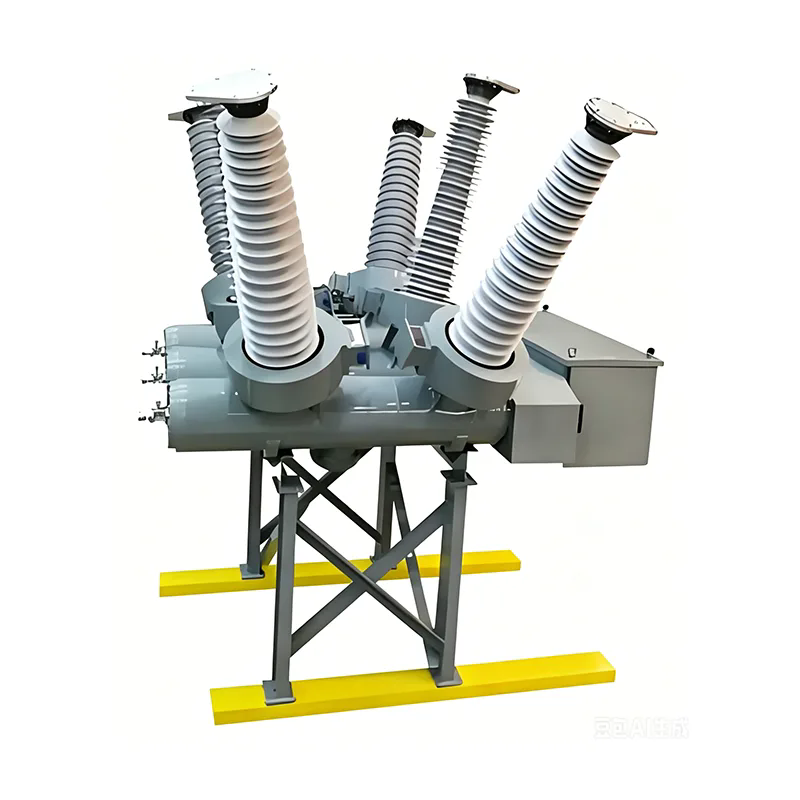
Article Summary: A transformer fuse is a compact but critical protection device designed to disconnect a transformer from a power system when abnormal current conditions occur. Properly selected fuses can limit short-circuit energy, reduce thermal and mechanical stress, prevent damage from severe faults, and help maintain the stability of the surrounding distribution network. This article explains how transformer fuses work, where they are used, how to select the right type, and what practical factors engineers should consider when designing a reliable transformer protection system.
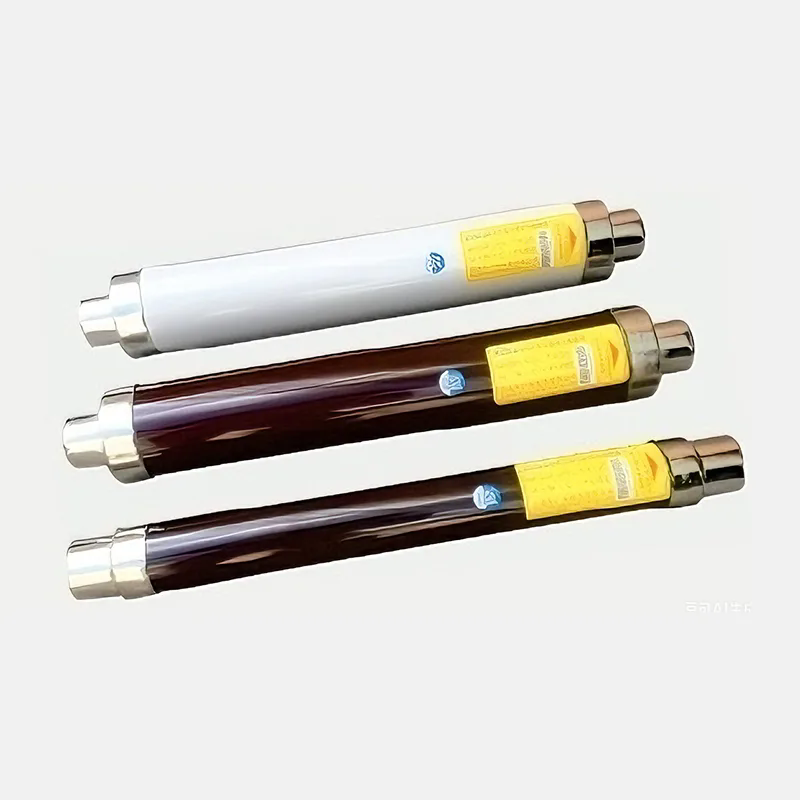
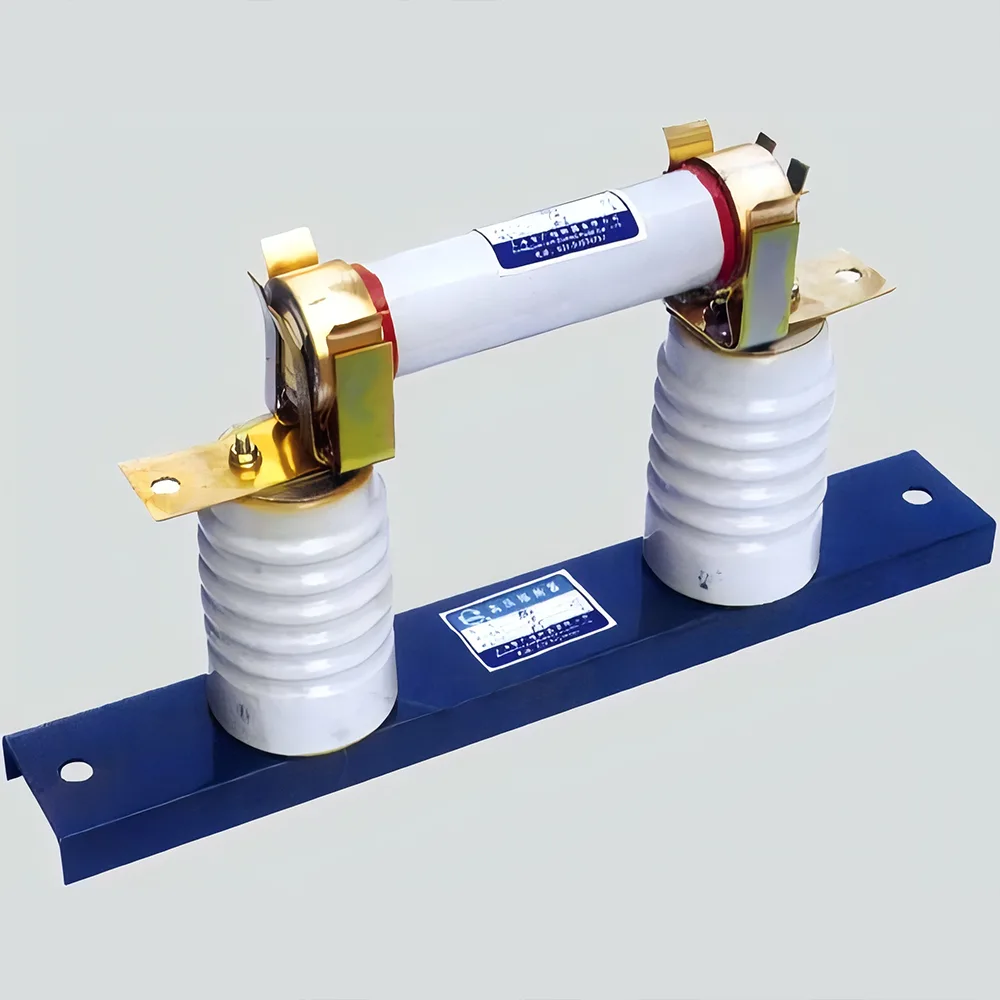
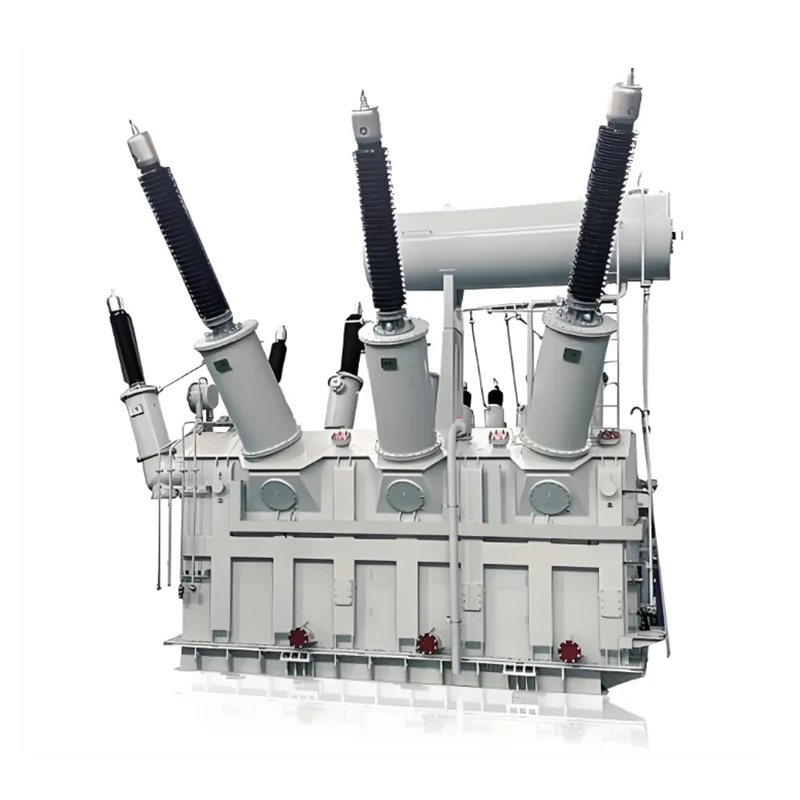
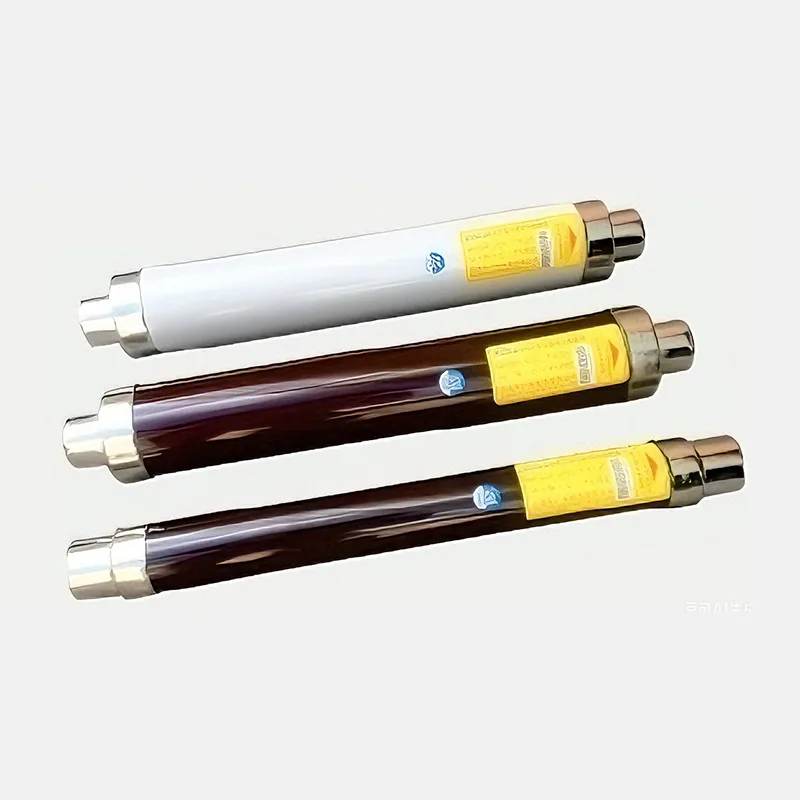
A transformer fuse is an electrical protection component used to disconnect a transformer when current rises beyond a safe operating condition. It is commonly installed on the primary or high-voltage side of distribution transformers, voltage transformers, oil-immersed transformers, dry-type transformers, and related medium-voltage equipment.
The basic principle is straightforward: a fuse contains a specially engineered fusible element that responds to excessive current. When the current and resulting heating exceed the element's designed operating characteristics, the element melts and interrupts the electrical circuit. Depending on the fuse construction, an arc-quenching medium and current-limiting structure then help extinguish the electrical arc and control the energy released during interruption.
This simple operating principle provides an important advantage. A transformer fuse does not require a complicated control circuit to perform its fundamental protection function. When correctly specified, it can respond rapidly to severe faults while remaining stable during normal transformer operation.
For distribution networks, this matters because a transformer fault can affect much more than one piece of equipment. A severe internal fault may damage windings, insulation, bushings, cables, or switchgear and may cause an extended interruption to other loads connected to the same network.
Consequently, transformer fuses are normally considered part of a broader protection strategy rather than an isolated component. Depending on the installation, they may operate together with load switches, circuit breakers, surge arresters, relays, and secondary-side protective devices.
The operation of a transformer fuse can be understood in several stages.
For high-voltage current-limiting designs, the interruption process can occur extremely quickly. The objective is not simply to open the circuit, but to reduce the amount of fault energy that reaches the protected transformer.
This is particularly important for high-magnitude short circuits. Without adequate protection, the resulting current can produce intense electromagnetic forces and thermal stress in transformer windings. Rapid interruption can reduce these stresses and help prevent a relatively localized fault from developing into extensive equipment damage.
A transformer fuse can address several abnormal operating conditions, although the exact protection capability depends on its construction, rating, installation position, and coordination with other protective devices.
Short circuits can produce currents many times greater than normal transformer load current. A suitable high-voltage current-limiting fuse is designed to interrupt such fault currents before they cause excessive thermal and mechanical damage.
Continuous or repeated overloads can increase transformer temperature and accelerate insulation aging. Certain transformer fuse designs provide overload protection according to defined time-current characteristics, allowing temporary operating conditions while disconnecting the circuit when an abnormal overload persists.
Winding faults, insulation breakdown, and other internal problems can create dangerous current conditions. Primary fuse protection can disconnect a defective transformer from the distribution network and limit the consequences of the fault.
Protecting the transformer also helps protect upstream and adjacent equipment. A correctly coordinated fuse can isolate a failed transformer without unnecessarily disconnecting healthy sections of the network.
However, fuse protection should not be viewed as a universal substitute for every other protective device. Transformer protection requirements vary according to transformer capacity, voltage level, grounding arrangement, network fault level, and applicable electrical standards.
Different transformers require different fuse characteristics. Selecting a fuse simply because its voltage and current appear similar to the transformer rating can result in poor protection or nuisance operation.
| Fuse Type | Typical Application | Main Protection Function | Typical Consideration |
|---|---|---|---|
| PT Protection Fuse | Voltage transformers and metering systems | Primary short-circuit protection | Low operating current and precise protection characteristics |
| Current-Limiting Transformer Fuse | Medium-voltage power transformers and switchgear | Short-circuit and selected overload protection | Interrupting capacity and current-limiting performance |
| Oil-Immersed Transformer Fuse | Oil-filled distribution transformers | Short-circuit and overload protection | Oil compatibility, sealing, temperature, and installation structure |
| Overload Protection Fuse | Oil-immersed transformers with fluctuating loads | Thermally related overload protection | Time-current characteristics and transformer thermal behavior |
For example, high-voltage current-limiting fuses may be used in medium-voltage switchgear, ring main units, and prefabricated substations. Oil-immersed applications require additional consideration because the fuse operates within an environment where insulation, temperature, pressure, sealing, and material compatibility all influence long-term performance.
Correct selection is one of the most important factors in transformer protection. The fuse must remain stable under normal operating conditions while responding quickly enough to abnormal currents.
Engineers should evaluate the following parameters before specifying a transformer fuse:
A common mistake is selecting a fuse based only on transformer rated current. The actual protection problem is more complex because the fuse must distinguish between temporary events that are acceptable and sustained or severe faults that require interruption.
Transformer energization can produce a temporary magnetizing inrush current. This current is not necessarily a fault, but its magnitude can be substantially higher than the transformer's normal operating current.
If a fuse is selected without considering inrush behavior, the fuse may operate during transformer energization. Such nuisance operation can cause unnecessary outages, increase maintenance work, and make the protection system less dependable.
Therefore, the fuse's time-current curve must be evaluated against the transformer's expected energization characteristics.
A well-designed protection system seeks a practical balance:
Because transformer construction, core design, capacity, system impedance, and switching conditions differ, fuse selection should be based on actual equipment data rather than a generic rule of thumb.
Transformer fuses can be installed in different positions depending on the transformer design and protection architecture.
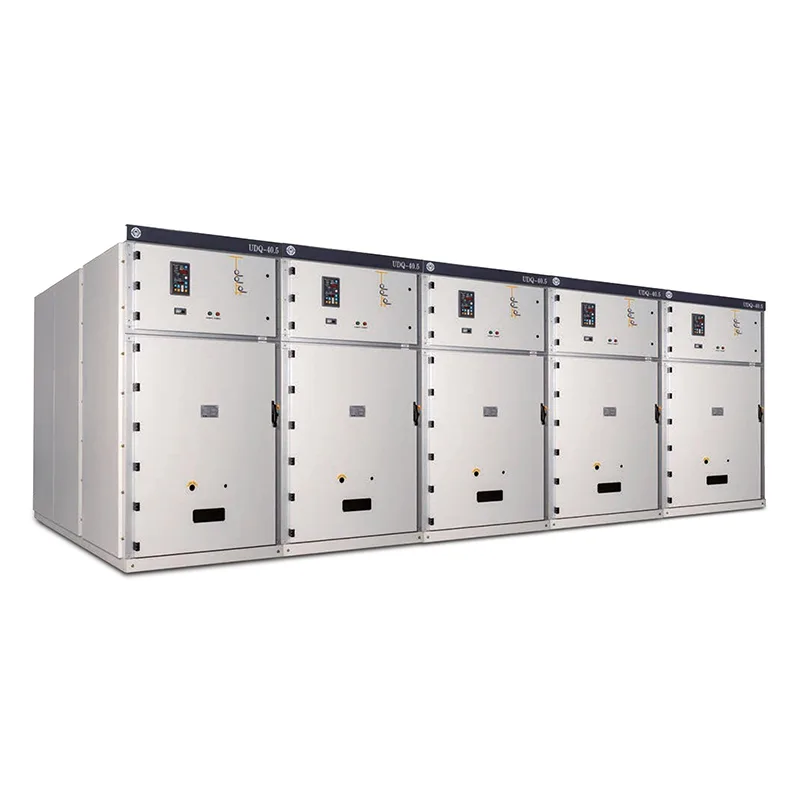
In medium-voltage distribution systems, current-limiting fuses may be installed inside high-voltage switchgear. They can be coordinated with load switches or vacuum contactors to create a compact transformer protection arrangement.
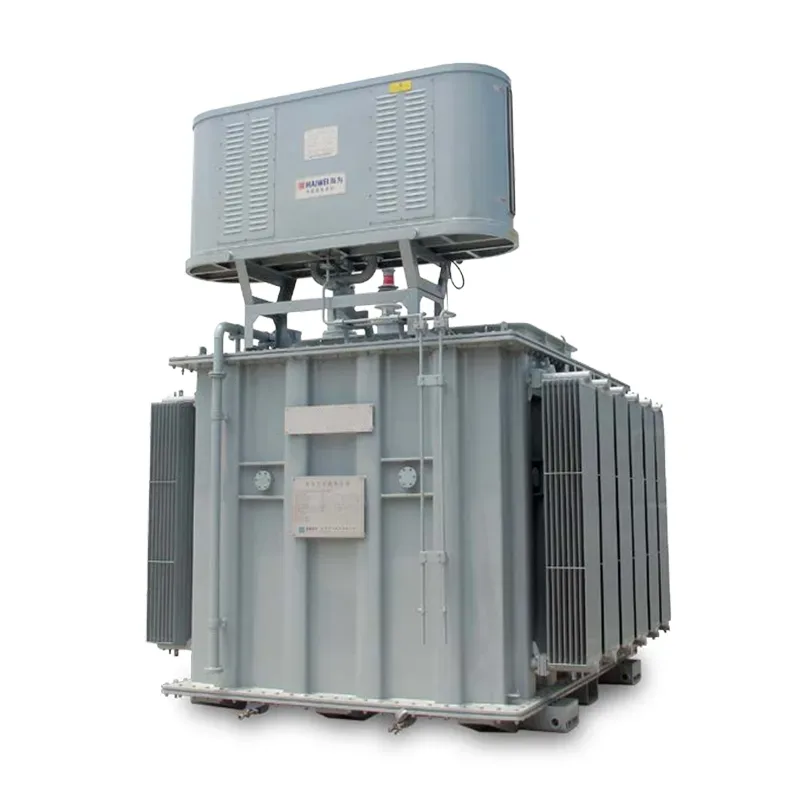
For certain oil-immersed transformers, fuses can be installed inside the transformer tank. The fuse must therefore be designed for compatibility with insulating oil and the expected thermal and pressure conditions.
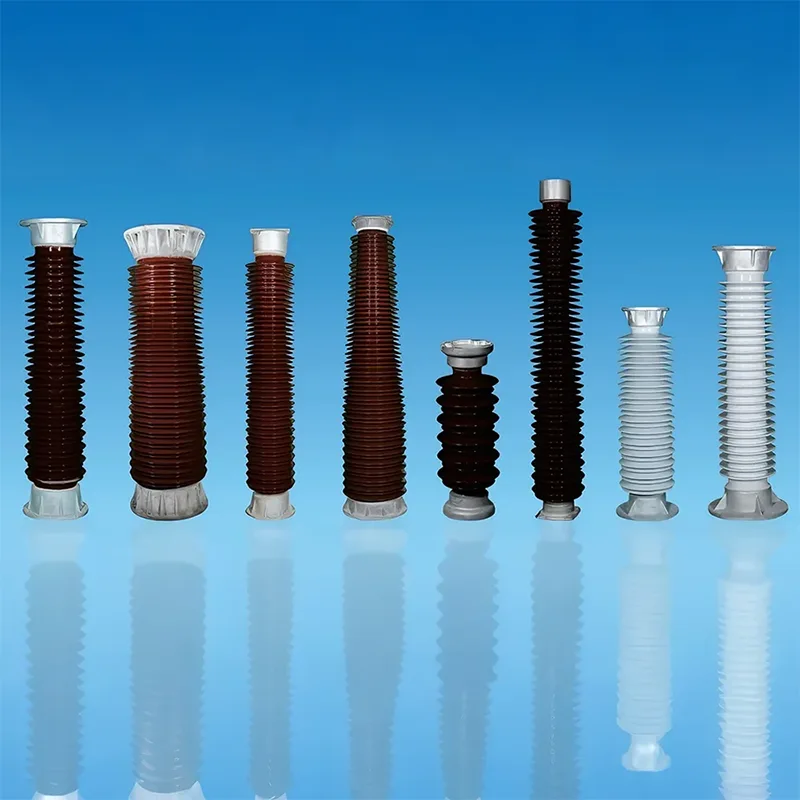
Some transformer protection arrangements use fuses positioned around the high-voltage connection or bushing structure. The mechanical dimensions, electrical clearances, and environmental conditions must be considered carefully.
Voltage transformers have different electrical characteristics from power transformers and normally operate at much lower current. Specialized high-voltage current-limiting fuses are therefore used to provide appropriate primary protection.
The following overview can help engineers identify the general role of different transformer fuse designs during preliminary equipment selection.
| Selection Factor | Why It Matters | Potential Problem if Ignored |
|---|---|---|
| Voltage Rating | Ensures suitable insulation and interruption performance | Unsafe or unreliable interruption |
| Current Rating | Allows normal transformer load current | Nuisance operation or inadequate protection |
| Breaking Capacity | Determines whether the fuse can safely interrupt prospective fault current | Severe interruption failure risk |
| Time-Current Curve | Controls response to overload and fault conditions | Poor coordination or unnecessary outages |
| Inrush Tolerance | Prevents operation during transformer energization | Repeated nuisance fuse operation |
| Environmental Compatibility | Supports stable operation under actual site conditions | Accelerated aging or unreliable operation |
A properly selected fuse is only one part of reliable transformer protection. Installation quality, system coordination, inspection, and replacement procedures also affect the overall result.
Do not replace a failed fuse solely by matching its physical dimensions. Electrical ratings, construction, operating characteristics, and application requirements must also match.
Outdoor substations can expose equipment to moisture, dust, temperature changes, and other environmental stresses. Indoor installations may have different requirements related to ventilation, enclosure design, and clearance.
Transformer primary protection should be considered together with secondary fuses, circuit breakers, feeder protection, and upstream protection. Poor coordination can cause a healthy feeder or an entire substation section to trip unnecessarily.
Loose or improperly installed electrical connections can produce abnormal heating and unnecessary losses. During maintenance, technicians should follow the manufacturer's installation requirements and the applicable electrical safety procedures.
A blown transformer fuse should not automatically be treated as a component that simply needs replacement. The underlying cause may be a transformer fault, cable fault, overload, insulation problem, or other abnormal condition.
Replacing the fuse without investigating the initiating event can create a dangerous repeat-failure scenario.
Huixing Zhongdian (Beijing) Electric Co., Ltd. provides transformer fuse solutions for medium- and high-voltage power applications. Its product range covers specialized fuse designs intended for different transformer protection requirements, including voltage transformer protection, power transformer protection, oil-immersed transformer applications, and overload protection.
According to the company's product information, its transformer fuse range covers applications from low-voltage distribution equipment through medium- and high-voltage systems, with product designs intended for indoor switchgear, ring main units, prefabricated substations, transformer tanks, high-voltage bushings, and metering-related equipment.
The product selection includes high-voltage current-limiting fuses for voltage transformers, power transformers, and oil-immersed transformers. Certain designs are intended for systems reaching 40.5 kV, while available current ratings vary according to the specific fuse family and application.
For engineers and procurement teams, this broad product range can be useful when a project requires different fuse characteristics across several transformer configurations.
Important selection factors should still be confirmed for each project, including:
For customized transformer protection projects, communicating the complete electrical and environmental requirements to the manufacturer is essential. This gives the supplier enough information to recommend a suitable fuse construction rather than relying only on a nominal current value.
The primary purpose is to disconnect a transformer when excessive current caused by a fault or, depending on the fuse design, an overload reaches the fuse's operating characteristics. This helps limit transformer damage and prevents a fault from continuing to affect the wider electrical network.
Some transformer fuse designs provide both overload and short-circuit protection, while others are optimized for specific fault conditions. The actual protection function depends on the fuse type, time-current characteristics, transformer application, and system design.
Breaking capacity indicates the level of fault current that the fuse is designed to interrupt safely under specified conditions. If the prospective fault current at the installation point exceeds the fuse's interrupting capability, the protection system may not perform as intended.
Transformer energization can generate magnetizing inrush current. If the selected fuse does not have appropriate inrush tolerance or its time-current characteristics are unsuitable, it may operate during normal energization.
Yes. Specialized fuse designs can be installed in or around oil-immersed transformers. Such products must be compatible with the insulating oil and suitable for the expected temperature, pressure, electrical, and mechanical conditions.
Replacement should be based on the original equipment specifications and the actual protection requirements rather than physical appearance alone. Voltage rating, current rating, breaking capacity, fuse characteristics, installation method, and coordination should all be checked.
No. A fuse interrupts current by melting its fusible element and normally requires replacement after operation. A circuit breaker uses a switching mechanism and can generally be reset after a fault, subject to inspection and the manufacturer's requirements. The two devices can be used together in coordinated protection systems.
Useful information includes transformer capacity, primary voltage, secondary voltage, rated current, system frequency, installation location, transformer type, available fault current, required protection function, existing switchgear, and applicable standards.
No. Transformer applications differ significantly. A fuse for a voltage transformer may have very different electrical characteristics from one designed for a high-capacity distribution transformer. Proper matching is essential for dependable protection.
Coordination helps ensure that the protective device closest to a fault operates first when possible. This can reduce unnecessary outages and allow healthy sections of the electrical system to remain energized.
A transformer fuse is a relatively compact component with a major role in electrical protection. Its value comes from its ability to respond to abnormal current conditions, isolate faulty transformers, and, in current-limiting applications, reduce the energy that reaches the protected equipment.
However, reliable protection depends on more than choosing a fuse with the correct nominal current. Voltage rating, breaking capacity, time-current characteristics, transformer inrush, fault level, installation environment, transformer construction, and coordination with other protective devices all need to be considered.
For medium- and high-voltage transformer projects, selecting the right fuse at the design stage can reduce the risk of nuisance operation, improve fault isolation, and support more dependable power distribution.
Looking for a transformer fuse for your specific voltage, current, transformer type, or installation environment? Huixing Zhongdian (Beijing) Electric Co., Ltd. can provide transformer fuse solutions for different power distribution applications. Contact us with your transformer specifications and project requirements to discuss a suitable protection solution for your application.