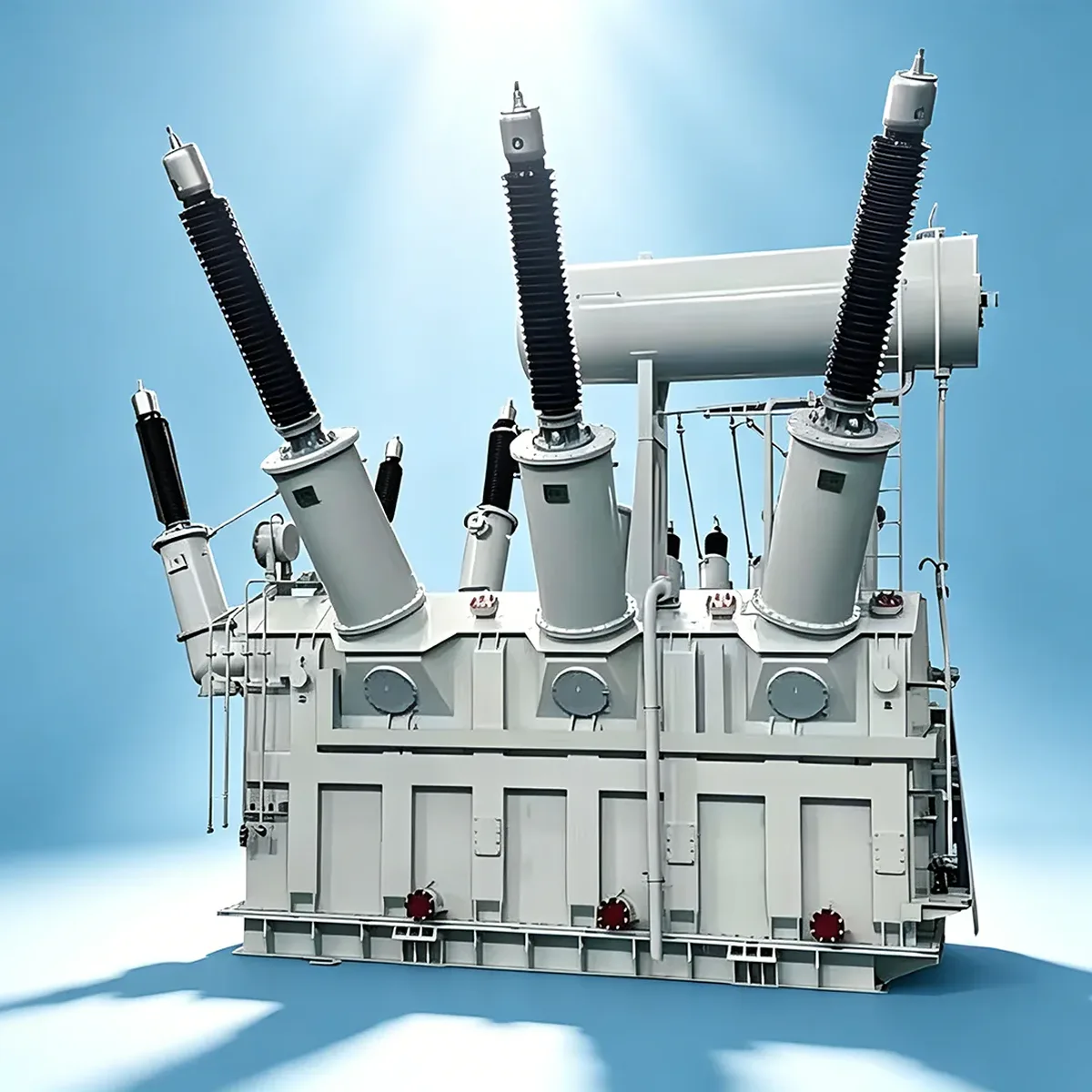
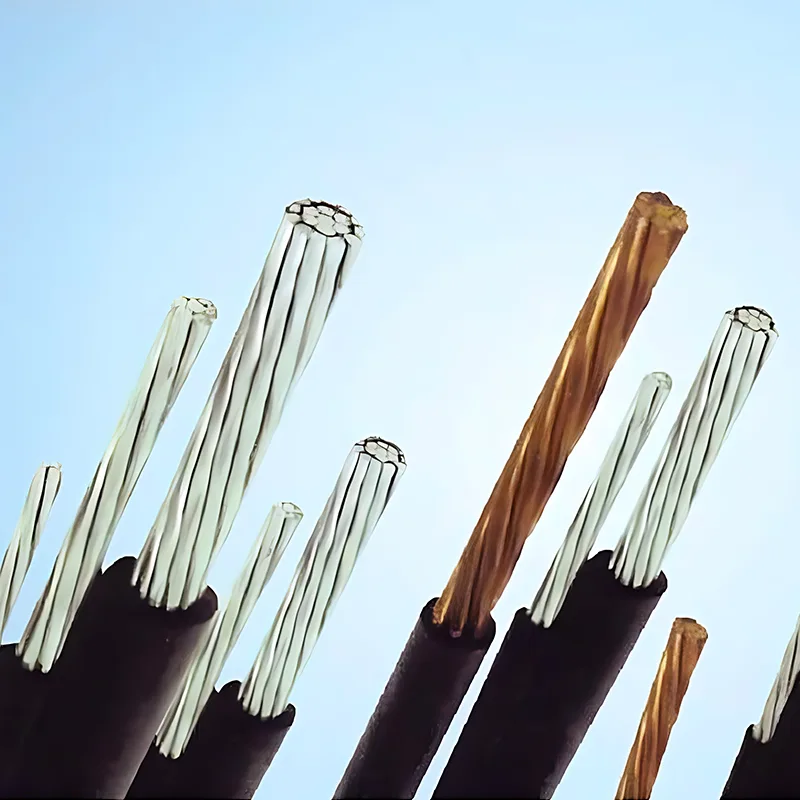
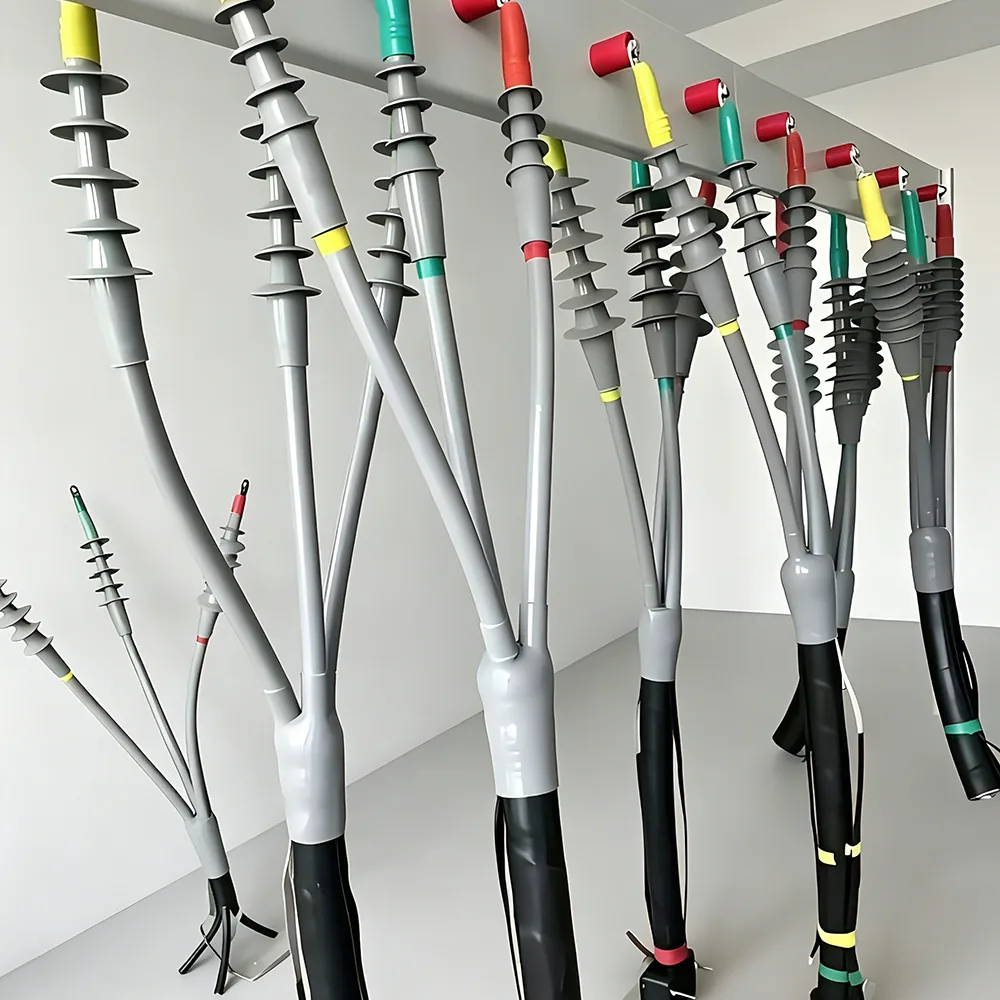
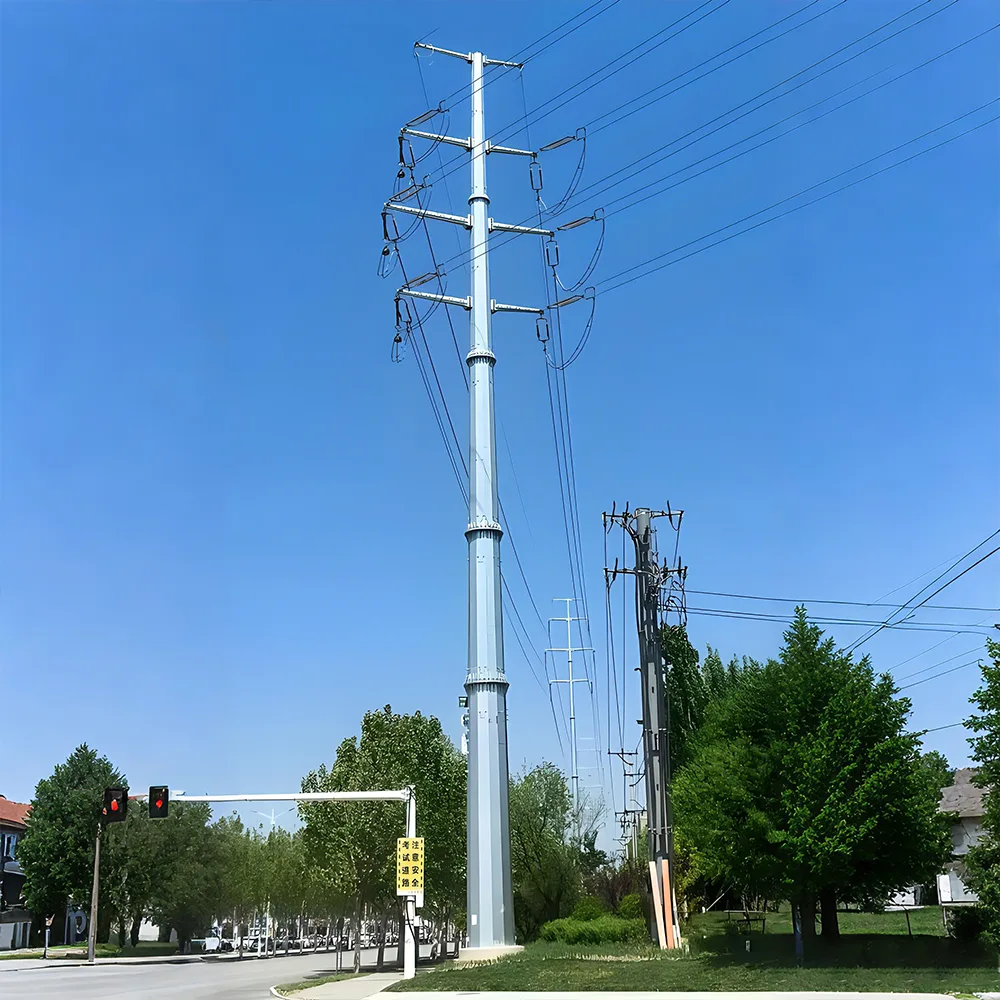
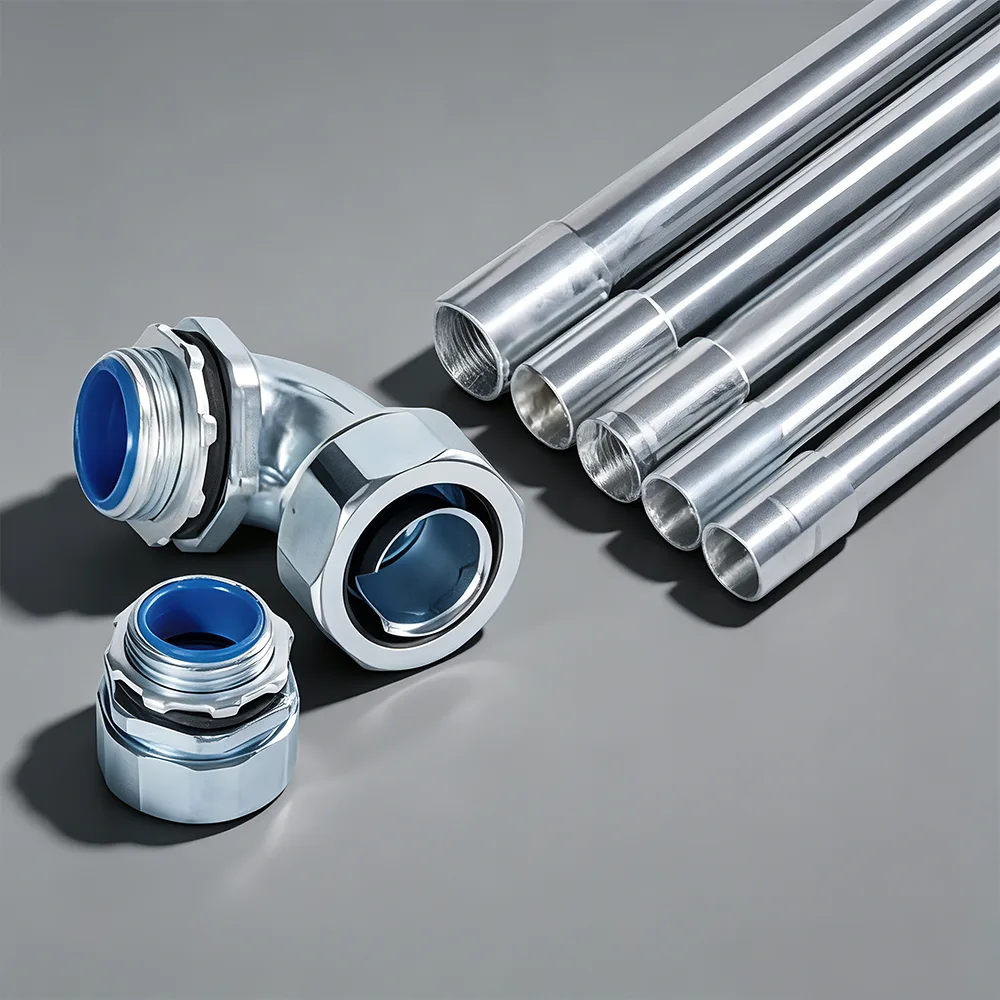
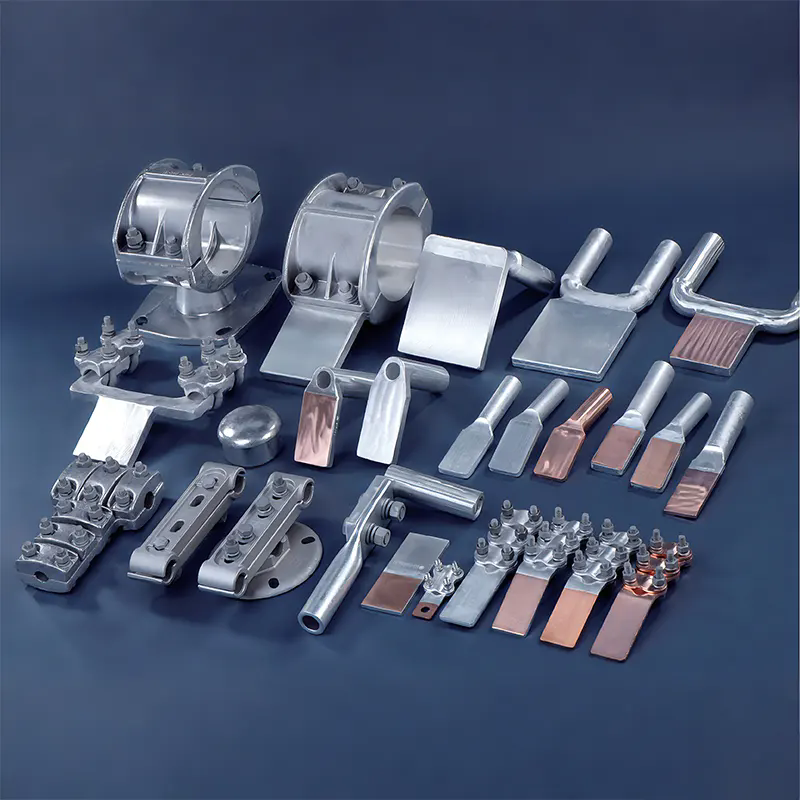
Power fittings are essential components that maintain the safety, stability, and efficiency of overhead transmission lines, substations, and distribution networks. Although they are often small compared with transformers, towers, and conductors, their performance directly affects the reliability of the entire electrical infrastructure. This article explains how power fittings work, why they are important, how to choose suitable fittings, and how high-quality solutions from Huixing Zhongdian (Beijing) Electric Co., Ltd. help solve common challenges in power engineering projects.
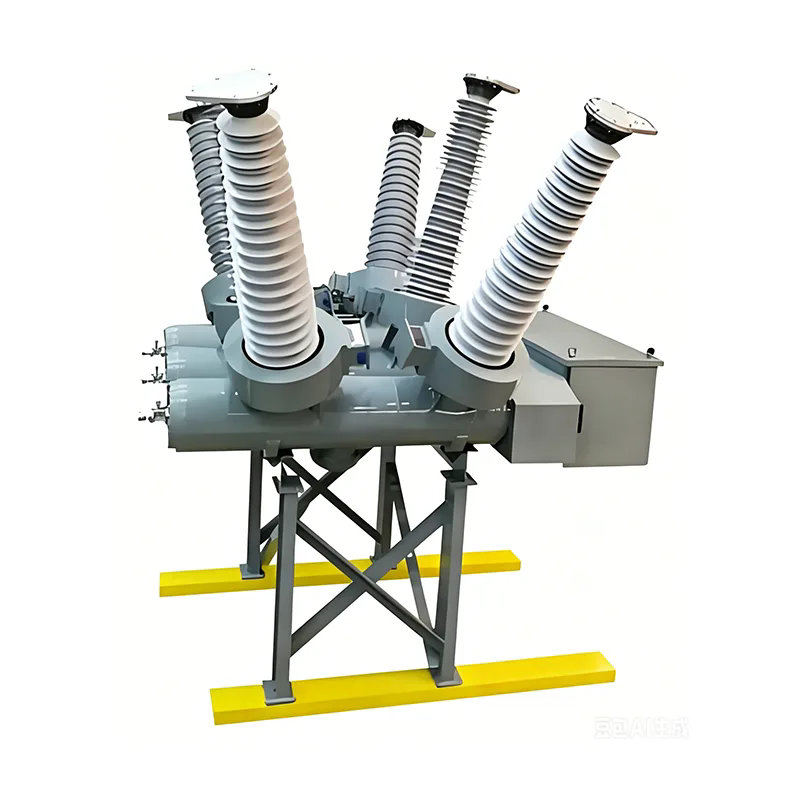
An AIS Substation (Air Insulated Substation) plays a vital role in modern power transmission and distribution systems by providing safe, stable, and efficient electrical energy conversion and control. As electricity networks become more complex, industries, utilities, and infrastructure projects require substation solutions that offer reliable performance, easier maintenance, and long-term operational safety.
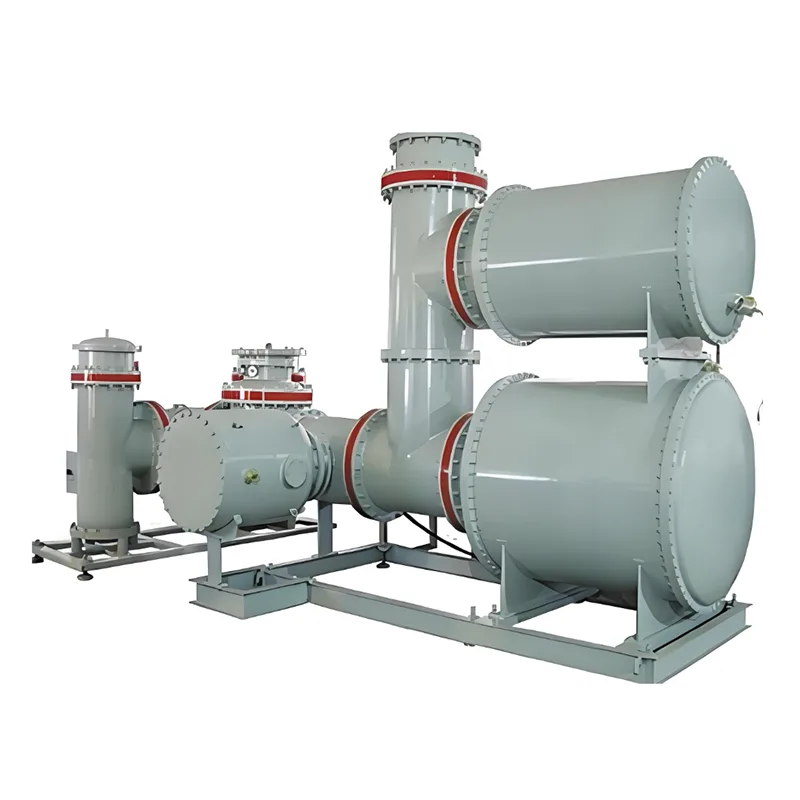
Against the backdrop of global energy transition and grid modernization, this article analyzes the core drivers boosting GIS substation demand, breaks down three mainstream technological iteration directions including eco-friendly insulating gas, intelligent digital monitoring and modular prefabrication, sorts out expanding application scenarios from high-voltage transmission to distributed energy systems, and presents an outlook on global regional market patterns and future industry development trends.
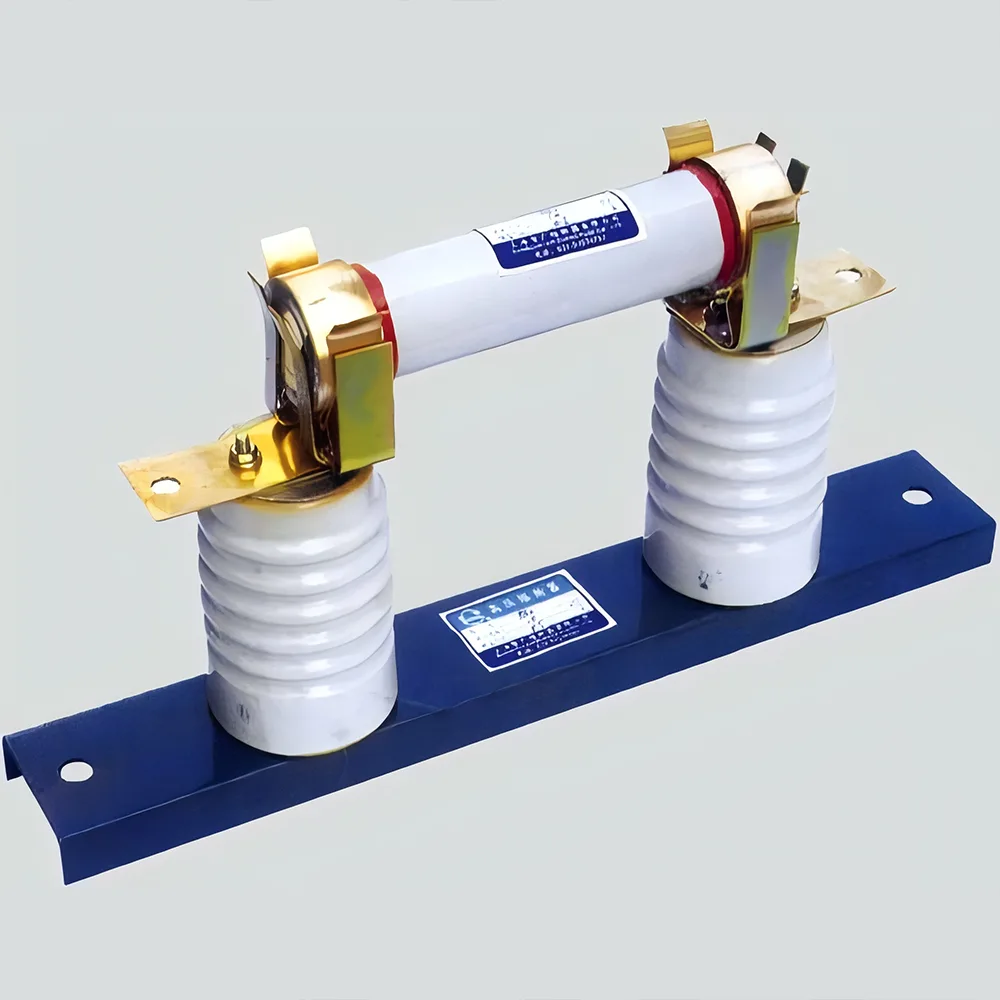
Electrical safety is one of the most important concerns in residential, commercial, and industrial power systems. An electric fuse is a simple yet highly effective protective device designed to prevent electrical damage caused by overloads and short circuits. When excessive current flows through a circuit, the fuse interrupts the electrical path before expensive equipment, wiring, or machinery can be damaged.
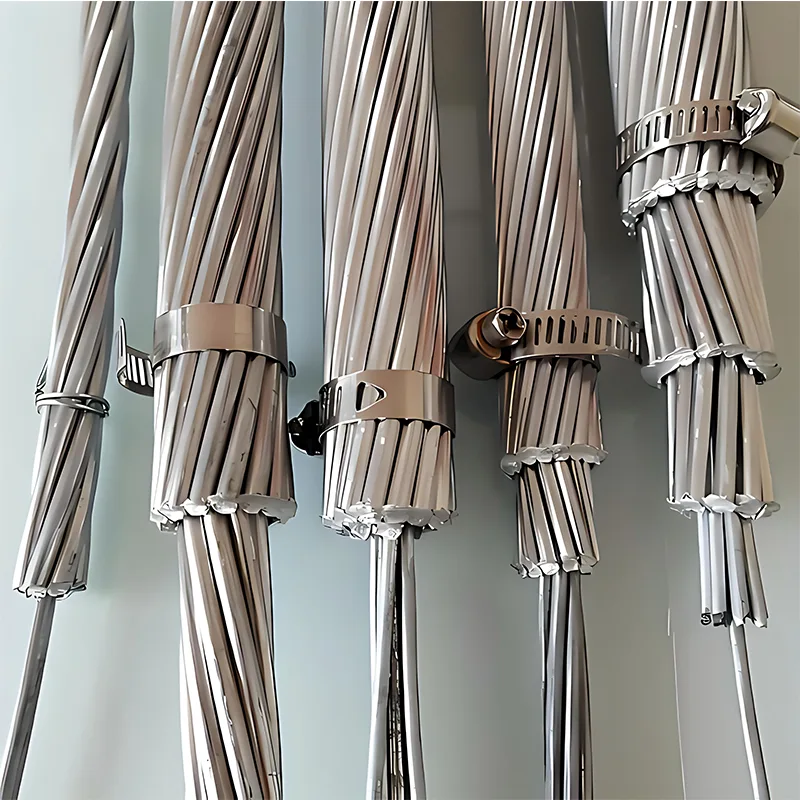
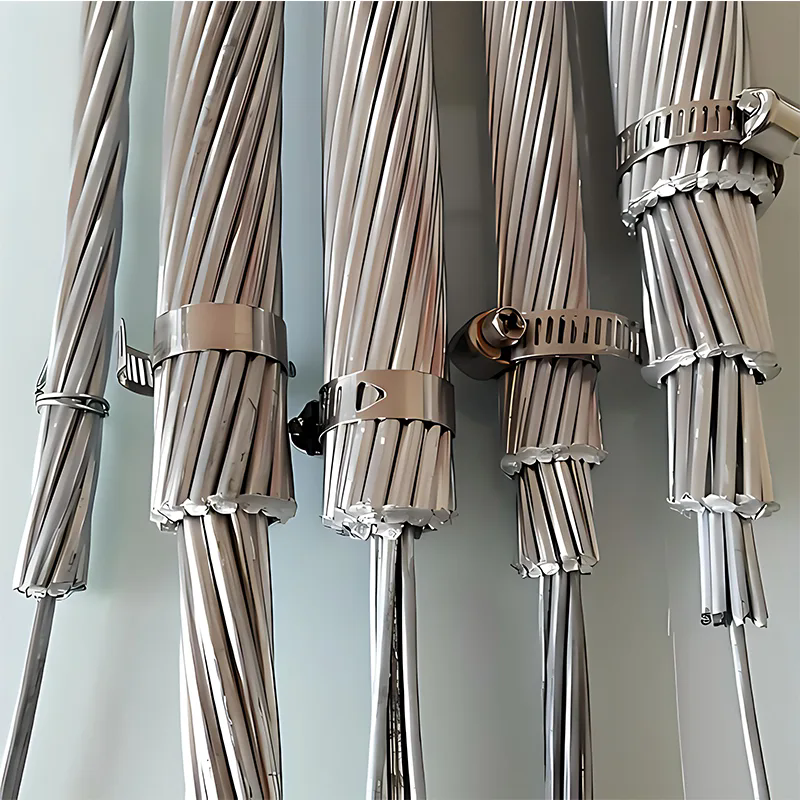
Aluminum Alloy Cable has become a critical material in modern electrical power transmission due to its balance of conductivity, mechanical strength, corrosion resistance, and cost efficiency. As energy demand grows and infrastructure expands, industries are increasingly shifting away from traditional copper conductors toward advanced aluminum alloy solutions. This article explores how Aluminum Alloy Cable works, its advantages, engineering structure, application scenarios, and selection considerations. It also addresses common customer concerns such as performance reliability, installation challenges, and long-term maintenance costs.
We use cookies to offer you a better browsing experience, analyze site traffic and personalize content. By using this site, you agree to our use of cookies. Privacy Policy

 11 2026-08
 07 2026-08
 30 2026-07
 04 2026-06
 01 2026-06